
Last updated November 22, 2026
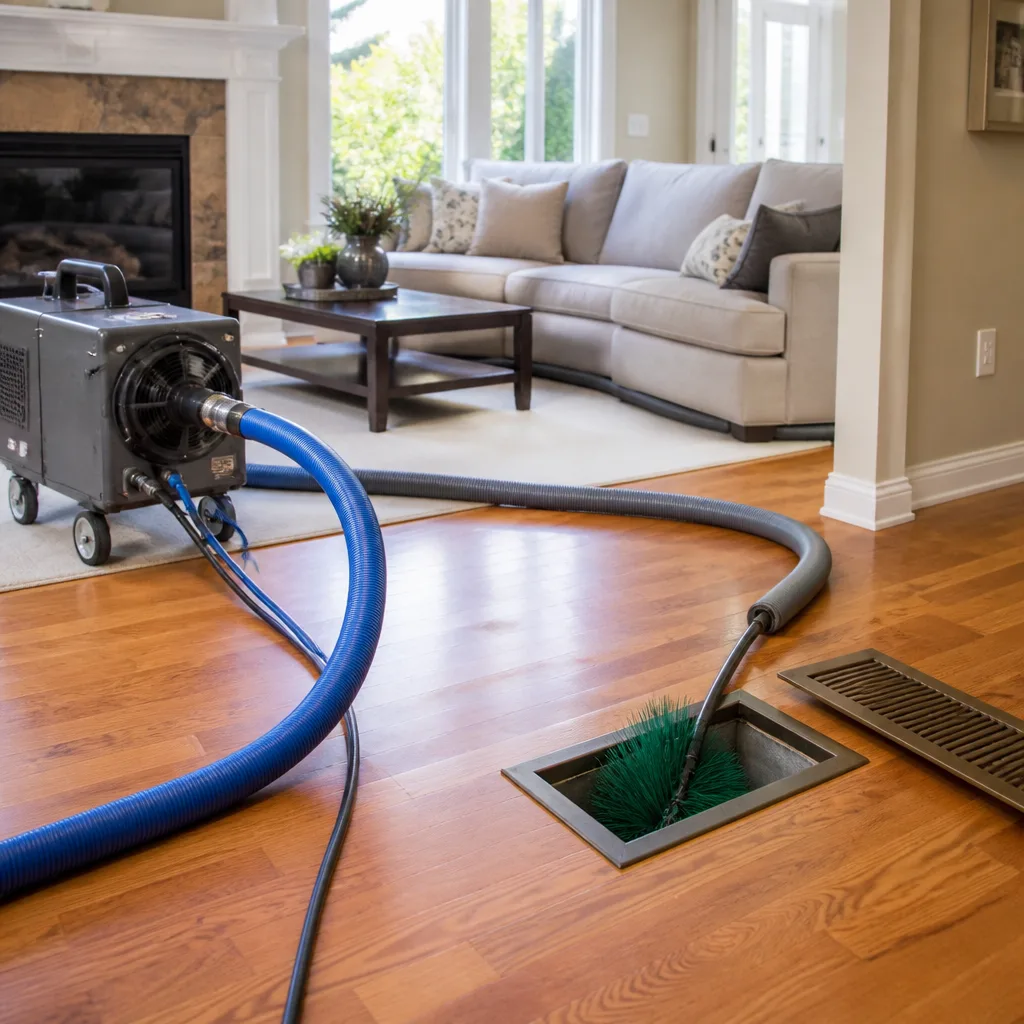 Whole-home duct cleaning
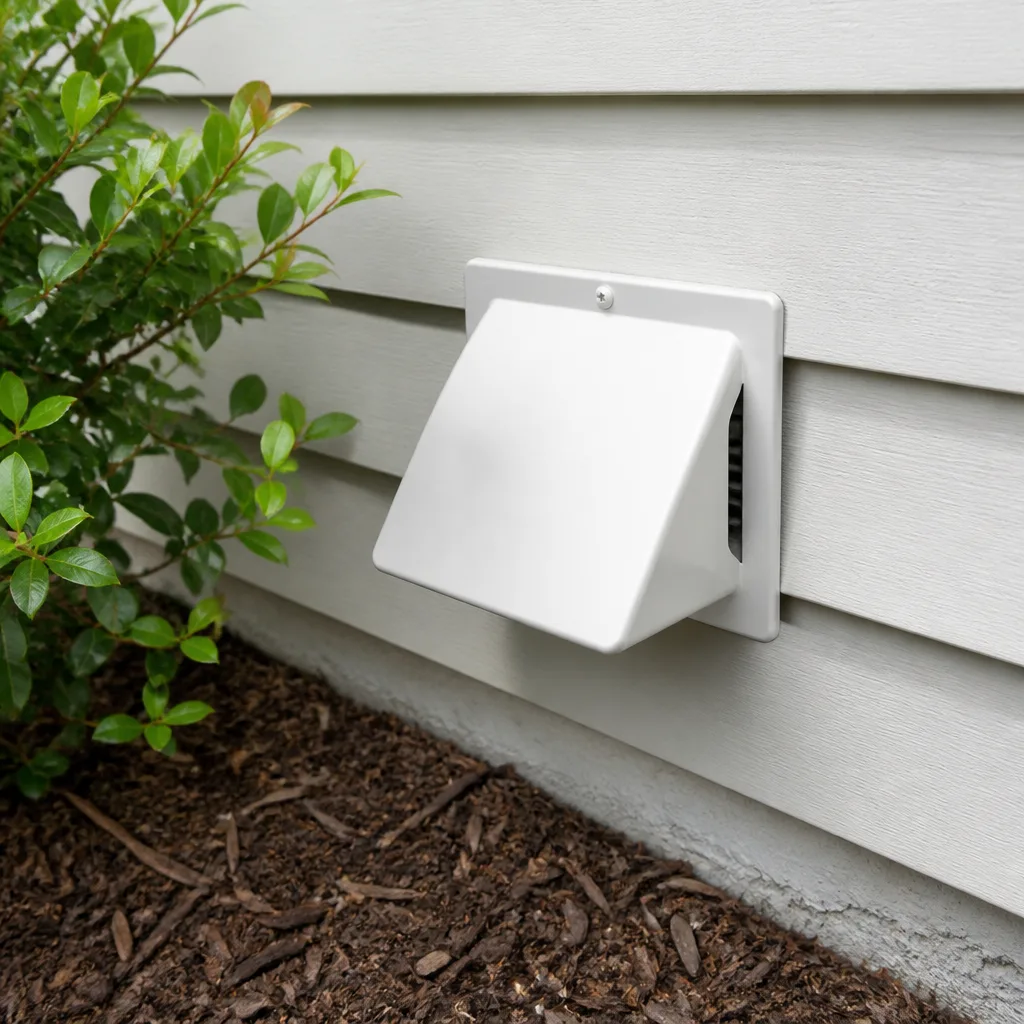 Dryer vent cleaning
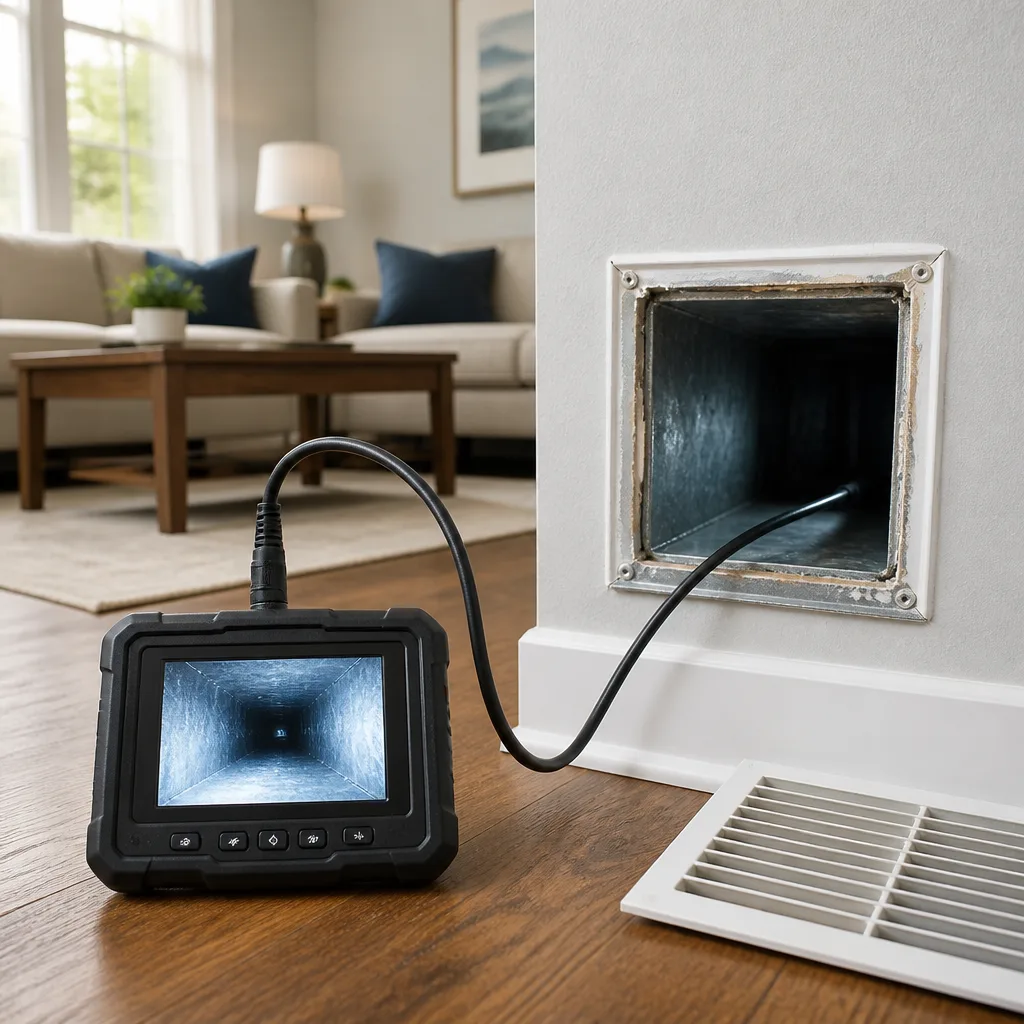 Camera inspection
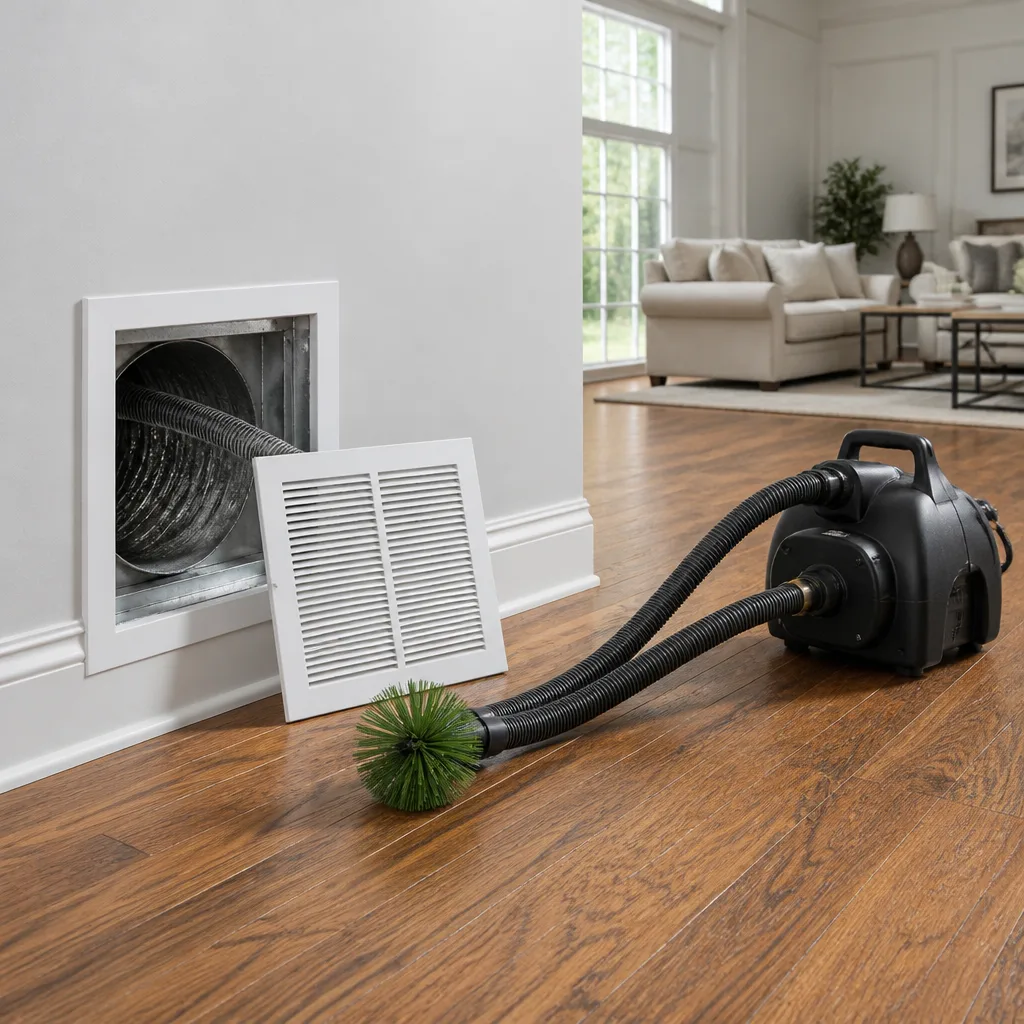 Sanitizing & deodorizing
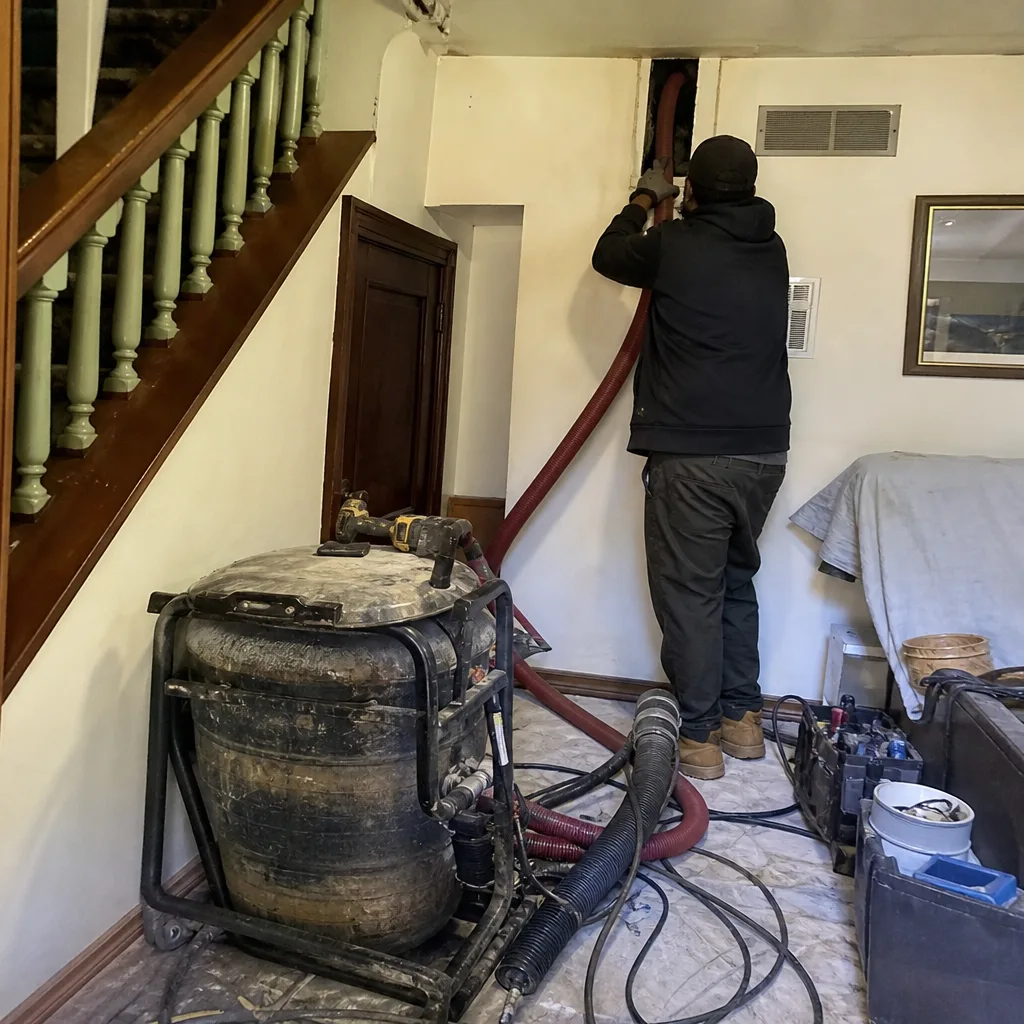
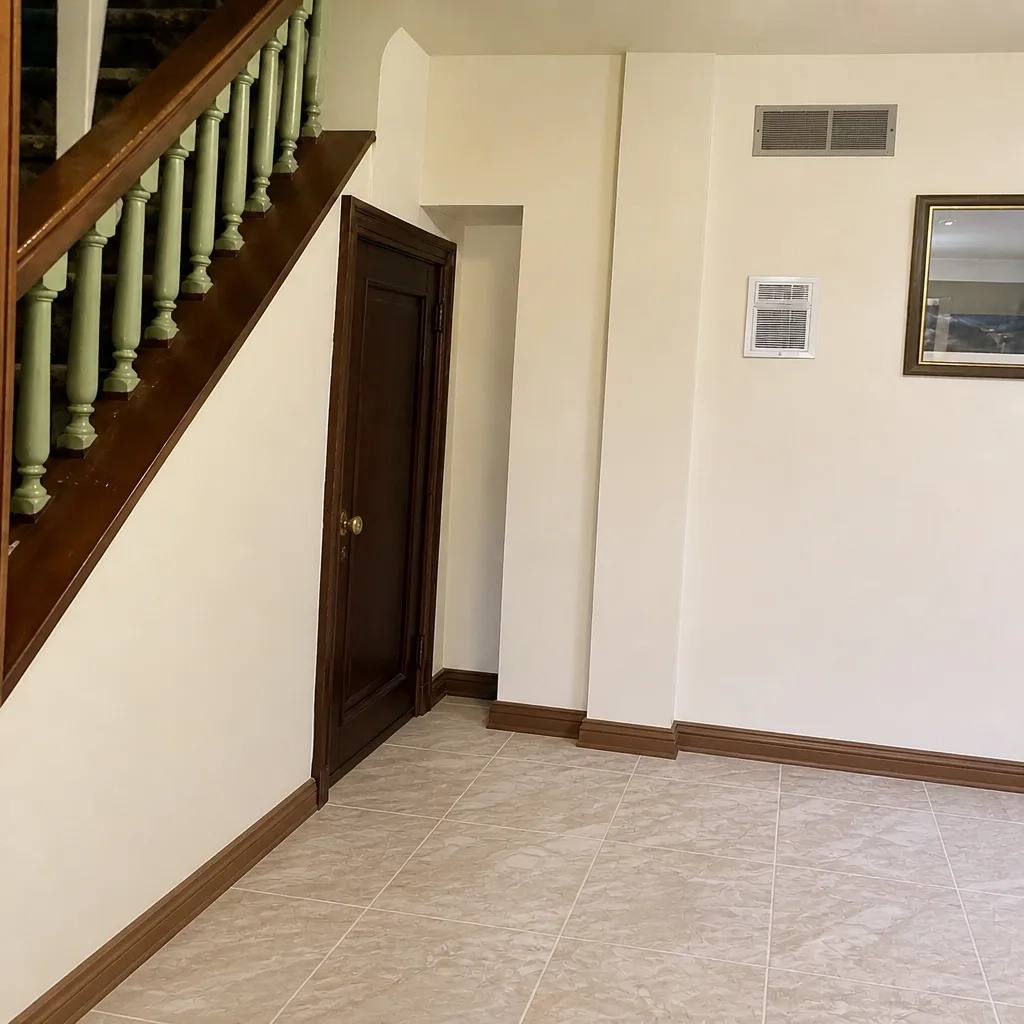
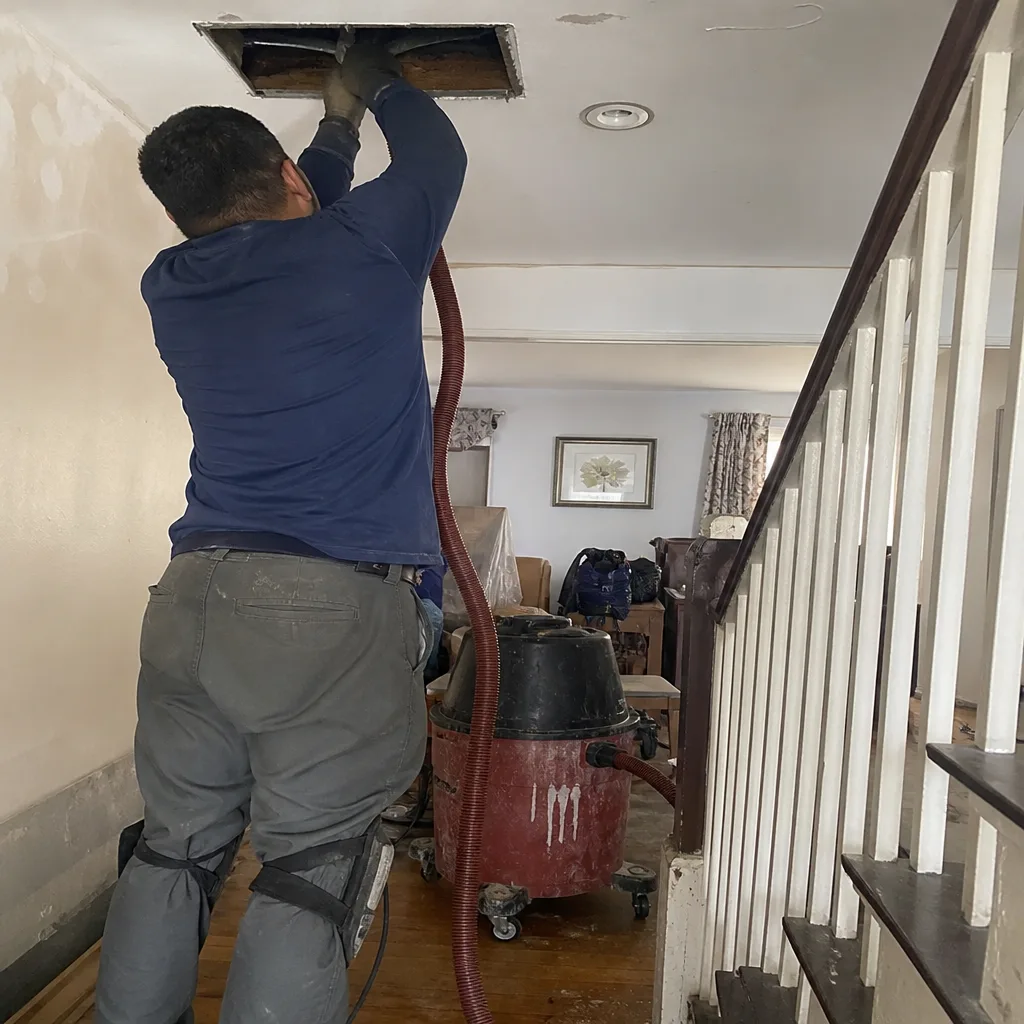
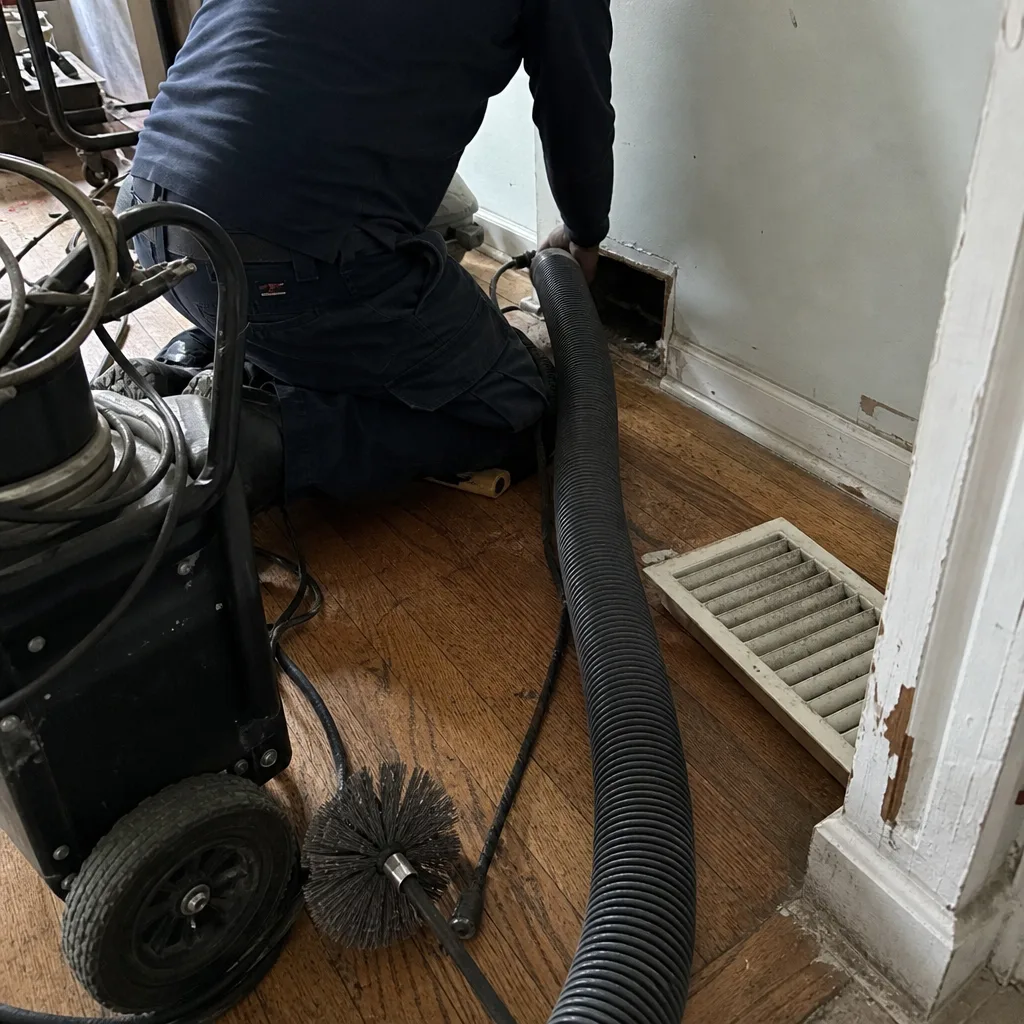
Whole-system duct and dryer vent check with before-and-after photos - you see exactly what came out of your vents
That "$99 whole-house special" is a bait ad - the real number appears once they are in your hallway, or the "clean" is a shop-vac at the register. We photograph the inside of your ducts before and after instead.
Air Duct Cleaning Warning Signs: An East Harlem Homeowner’s Reference Guide
If you’re wiping down a dresser and it’s dusty again two days later, the windows aren’t the problem. Neither are your neighbors, and neither is a failing air purifier. That kind of re-soiling points to a pressurized distribution system pushing particulate back into the room faster than it can settle. Most East Harlem homeowners misread the sign because dust has a dozen innocent explanations and duct contamination isn’t one of them. This guide maps the observable symptoms to their likely origin inside the system, so you can tell a duct problem from a filter problem, an equipment problem or a building envelope problem.
Quick Answer
The main warning signs of dirty air ducts are dust that re-accumulates on horizontal surfaces within 24 to 48 hours of cleaning, one room that consistently gets weaker airflow than the rest, musty or metallic odors in the first few minutes after the system starts, and visible dark debris at the supply registers. Symptoms that track your HVAC cycle rather than the outdoor air are the strongest signal. A technician can confirm the source with a visual inspection of the plenum and trunk lines.
Styles & brands we work with
- Whole-home duct cleaning
- Dryer vent cleaning
- Camera inspection
- Sanitizing & deodorizing
Table of Contents
- Why Dust Comes Back So Fast
- Uneven Airflow Room by Room
- What Startup Odors Tell You
- Symptom Patterns That Follow the HVAC Cycle
- Supply Registers Versus Return Grilles
- Filter, Equipment or Duct: Sorting Out the Cause
- Why East Harlem Buildings Show These Signs
- What a Proper Duct Inspection Involves
Why Dust Comes Back So Fast
Dust settling out of still air lands slowly and evenly. Dust delivered by a running blower lands fast and unevenly. That difference is the whole diagnosis. When you clean a surface and it’s coated again within 24 to 48 hours, the particulate is arriving under pressure, which means the system is carrying it. This is the single most reliable warning sign we look for, and it’s the one homeowners most often attribute to open windows or street dust in a dense neighborhood like East Harlem.
Surface pattern analysis does the rest. Walk through and look at where the film is thickest.
- Directly under and around supply registers: the airstream is depositing as it fans out. Strong duct-origin signal.
- On horizontal surfaces along an exterior wall near windows: infiltration pattern, particularly with single-glazed or older sash windows.
- Even film across every surface in a closed room: ambient settling, usually low-grade and unrelated to the duct system.
- Dark smudges radiating from a ceiling diffuser: streaking at the boot, which means the register and the duct collar behind it need attention.
A quick test: close the windows in a problem room and run the blower for an hour. If the dust pattern sharpens instead of fading, the source is downstream of the filter and inside the system. At that point a proper air duct cleaning assessment is worth more than another round of dusting.
Uneven Airflow Room by Room
When one room consistently receives less conditioned air than the rest, the usual cause is a debris blockage or a disconnected run, not a damper setting or a failing unit. Homeowners in East Harlem tend to blame the equipment because the thermostat is the only part of the system they can see. But a blower that’s moving air fine everywhere else is doing its job. The pressure is being lost somewhere downstream.
Here’s the sequence to sort it out before calling anyone:
- Hold the back of your hand a few inches from each supply register with the system running. Note which ones feel weak.
- Confirm every balancing damper in the accessible branch ducts is fully open.
- Replace the filter and re-check the weak registers. If the weakness doesn’t move, filtration isn’t the cause.
- Look for crushed or disconnected flex duct in any accessible basement, closet or ceiling cavity. In older East Harlem walk-ups, a run that was spliced during a renovation is a frequent culprit.
- If nothing visible explains it, the blockage is likely inside the trunk or at a boot collar, and that needs a camera or a look from the plenum.
That last step is also where leaks get found. A cleaned system with a leaking trunk loses the pressure you just paid to restore, which is why sealing belongs in the same visit as cleaning.
What Startup Odors Tell You
An odor in the first few minutes of a heating or cooling cycle is diagnostic. It means the blower is pushing air across something that shouldn’t be in the airstream, and the smell fades once the surface dries or the temperature stabilizes. The character of the smell narrows down what and where.
- Musty, damp, basement-like: microbial growth on the evaporator coil, the drain pan or damp insulation liner. Most common in cooling season, and most common where a unit sits in a humid closet.
- Metallic or hot-dust: usually the heat exchanger or electric strip warming off accumulated dust in the first cycle of the season. If it persists past a few days, it needs a proper look.
- Sour or locker-room: biological growth in the filter and the return plenum, often after a filter was left in too long.
- Chemical or solvent: off-gassing from new materials or a renovation, or refrigerant. Stop and call a professional.
Odor location matters as much as odor type. A smell that’s strongest at the returns points upstream. A smell that’s strongest at one supply points at that branch. In our experience, an odor complaint is usually the fastest route to finding a problem the homeowner hadn’t noticed yet, and more often than not the answer involves the coil and plenum as much as the ducts, which is why HVAC cleaning and duct work are handled together rather than a season apart.
Symptom Patterns That Follow the HVAC Cycle
Allergy or respiratory symptoms that correlate with the system running rather than with outdoor conditions are a duct signal. This is the distinction that matters diagnostically, and it’s the one most people skip. Pollen exposure tracks the season and the time you spend outdoors. Duct-borne exposure tracks the thermostat.
Watch for these patterns:
- Morning congestion that eases after you leave the apartment and returns within an hour of coming home.
- Symptoms that are worse in a room with the thermostat set to run the blower continuously.
- Relief during a stretch of mild weather when the system stays off, followed by a return when it cycles back on.
- A household member with no outdoor allergy history who reacts indoors but not outside.
This is a pattern log, not a diagnosis. Nobody at a duct cleaning company should be telling you what’s causing a cough. What the pattern does do is tell a technician where to look, and what it tells a doctor is whether indoor exposure is worth investigating. Keep a short written log for two weeks. It costs nothing and it’s more useful than any single inspection on a random day.
Supply Registers Versus Return Grilles
Visible debris at a supply register and visible debris at a return grille mean different things about where contamination is concentrated. The supply side is downstream of the filter and the blower, so anything visible there got past filtration or grew inside the system. The return side is upstream, so debris there is what the system has been pulling in from the living space.
Read the two together:
- Debris at returns only: filtration is undersized, bypassing, or the filter has been run well past its interval. Start with a filter upgrade and a return-side cleaning.
- Debris at supplies only: contamination is inside the trunk, the coil or the branch runs. This is a cleaning job, not a filter job.
- Dark streaks on the ceiling around supply diffusers: the boot collar has a gap, and dust is being deposited at the leak instead of the register face.
- Loose tape and grime at every joint in an accessible run: the duct system is leaking and pulling attic, cavity or wall air into the airstream.
East Harlem stock is full of original sheet-metal trunks with added flex branches, so supplies and returns are often a mismatched set. Look at both. Some duct cleaning crews will quote a whole system without ever opening a register. We use Rotobrush and Nikro equipment because they reach every branch and allow the technician to photograph what comes out, and we consider that a baseline requirement, not an upgrade.
Filter, Equipment or Duct: Sorting Out the Cause
Most warning signs get misattributed because three different failures produce similar symptoms. Here’s how to separate them.
- Filter problem: the filter is loaded, the wrong size, or bypassing at the edges. Symptoms appear across the whole home at once and improve right after replacement.
- Equipment problem: the blower is weak, the coil is fouled or the system is short-cycling. Symptoms include the whole home and come with unusual noises or a system that won’t hold temperature.
- Duct problem: the symptoms are room-specific or surface-specific, related to airstream behavior rather than system output. Airflow, deposition patterns and odors carry the tell.
Two practical checks narrow it fast. First, hold a tissue against a supply register. A weak, fluttering airstream with the filter fresh points to a blockage, not filtration. Second, look at the failure pattern. Whole-home symptoms that appear suddenly are usually a filter or equipment issue. Room-by-room variation that’s been building quietly for a year or two is usually a duct issue. In East Harlem, where a lot of apartments run a single through-wall unit into a shared chase, we also see a fourth category: the unit is fine and the ducts are fine, but the chase itself is pulling air from a wall cavity. That’s a sealing job, not a cleaning job.
Why East Harlem Buildings Show These Signs
East Harlem’s housing stock produces these warning signs in predictable ways. Tenements and walk-ups from the early twentieth century were built without ducted air, so every system in them was retrofitted later. Retrofit work means flex runs squeezed into chases that were never designed for them, trunk lines shortened to fit ceiling cavities, and returns sometimes added years after the supplies. Those are the places where leaks and crushed runs hide.
The building envelope does its part. Many rowhouses and larger apartment buildings in the neighborhood share wall cavities, and a duct that leaks under negative pressure pulls from that shared space. Upstairs units in a converted rowhouse often see the return side of the problem because the shortest path to the return plenum runs through an old flue chase. None of this shows up as a dramatic failure. It shows up as one room that’s always a few degrees off, a smell at startup, and a dust film that keeps coming back.
Weather adds a layer. A New York heating season that runs long means the system operates for months with windows shut, so anything in the airstream accumulates. Cooling season adds moisture to a coil that may already be fouled. That combination is why East Harlem duct issues tend to surface in fall and stay visible through spring.
What a Proper Duct Inspection Involves
A proper inspection looks inside the system and documents what’s there. Any company that quotes a full system from the doorway is guessing, and guessing is how homeowners end up paying for the wrong job.
- Open a representative supply and return register and look at the boot and branch behind it.
- Inspect the plenum, the coil face and the drain pan, since a large share of contamination lives there rather than in the branches.
- Check accessible duct joints and collars for separation, crushed flex and failed tape.
- Confirm the filter is the right size, seated fully and not bypassing at the frame.
- Photograph the findings and show them before work starts, with the price for the whole system attached.
The equipment matters here. Consumer-grade vacuums and shop vacs put the system under negative pressure without the containment to match it, and they stir more than they capture. Rotobrush and Nikro platforms are built for the job. For systems with mold risk, post-construction debris or heavy contamination, we bring Abatement Technologies equipment, which is the same class of gear remediation contractors use. When the inspection turns up a leak or a crushed run, sealing happens in the same visit so the system holds the airflow it was designed for.
Common Mistakes to Avoid
- Blaming the windows first. In a dense East Harlem block, open windows are an easy scapegoat. Check the deposition pattern under a supply register before you blame the street.
- Replacing the filter and stopping there. A new filter that loads within a month means the system upstream is carrying debris. That’s a sign to look inside, not to buy filters in bulk.
- Sealing a supply register shut to “fix” a cold room. Blocking a register raises pressure in the system and pushes more air out through leaks. Balance the system properly instead.
- Hiring on the lowest quote. A low quote with no inspection is a door-to-door number. Ask what equipment the crew uses and what the technician will document before work starts.
- Cleaning without sealing. A cleaned but leaking system re-contaminates quickly, and the homeowner blames the cleaning. Sealing belongs in the same visit.
- Ignoring the coil and plenum. A lot of odor complaints come from the coil and drain pan, not the ducts. Cleaning only the branches leaves the source in place.
- Skipping the dryer vent while the duct crew is there. A dryer vent left uncleaned is a fire risk, not just an inefficiency. It’s a separate system and worth doing in the same visit. More on that in our dryer vent cleaning guide.
See the difference
 Before
 After
 Before
 After
 Before
 After
When to Call a Professional
Call when a symptom is repeatable and specific. Dust returning within 24 to 48 hours of cleaning, a room that’s consistently weak on airflow, an odor at startup that persists past the first week of the season, or visible debris at supply registers all justify an inspection. Also call if the system has never been opened, if the home has had water damage, or if a renovation left debris in the return plenum. What you don’t want to do is guess at a cause and pay for the wrong fix. Air Duct Cleaning East Harlem offers free estimates in East Harlem: call (833) 508-9257. We answer 24/7. Fast dispatch from 7am to 7pm, Sunday through Friday.
Frequently Asked Questions
Rapid dust re-accumulation on horizontal surfaces within 24 to 48 hours of cleaning, uneven airflow from room to room, musty or metallic odors during the first minutes of a heating or cooling cycle, and visible dark debris at supply registers. In East Harlem’s older retrofitted buildings, uneven airflow is often the first sign noticed. Call (833) 508-9257 for an exact quote: estimates are free.
A filter problem produces whole-home symptoms that improve right after replacement; a duct problem produces room-by-room or surface-specific symptoms that persist. Replace the filter and run the system for an hour. If the weak register or the dust pattern doesn’t move, the cause is inside the system. Call (833) 508-9257 to book an inspection: estimates are free.
Usually a debris blockage, a crushed or disconnected flex run, or a leaking joint, not a damper or an equipment fault. Retrofitted systems in older East Harlem buildings are especially prone to crushed branches inside chases. Call (833) 508-9257 and we’ll find the source before any work is quoted: estimates are free.
No, but it’s usually an airstream problem. Musty odors most often come from growth on the evaporator coil, the drain pan or damp liner, so the answer is a combined cleaning of ducts and equipment, not a duct-only job. Call (833) 508-9257 to schedule an assessment: estimates are free.
There’s no fixed calendar interval. The honest answer is that cleaning is warranted when inspection shows contamination, which in East Harlem often means after a renovation, after water intrusion, or when a repeatable symptom shows up. If the signs in this guide are present, an inspection settles it. Call (833) 508-9257 to book one: estimates are free.
Because they often exclude the coil and plenum, skip the inspection, or use equipment that stirs debris without capturing it. A cheap quote on a whole system usually means part of the system goes unaddressed. We set one flat price per system based on the inspection, agreed before work starts, with before-and-after photos of your ducts. Call (833) 508-9257 for a real number: estimates are free.
The Bottom Line
Duct problems announce themselves through patterns, not catastrophes. Dust that returns within a day or two, one room that never gets its share of airflow, an odor in the first minutes of a cycle, symptoms that follow the thermostat instead of the weather, and debris at the supplies rather than the returns. Read together, those signs point to a system problem rather than a filter or equipment problem. In East Harlem’s retrofitted older buildings, the signs show up early and quietly. If you recognize two or more on this list, have the system inspected properly before you spend money on anything else. The team at Air Duct Cleaning East Harlem uses Rotobrush, Nikro and Abatement Technologies equipment, carries Aprilaire and Honeywell air quality products, and handles cleaning, sealing and sanitizing in a single visit. Cleaning, repair and sanitizing under one company means nobody hands you off to a second vendor. Start with the Air Duct Cleaning East Harlem overview if you want the full service picture before you call.
Call (833) 508-9257 for a free estimate. We answer 24/7. Fast dispatch from 7am to 7pm, Sunday through Friday. Our technicians have up to 15 years of experience, and the local pro is licensed and insured as their state requires.
Written by the team at Air Duct Cleaning East Harlem.