
Last updated November 22, 2026
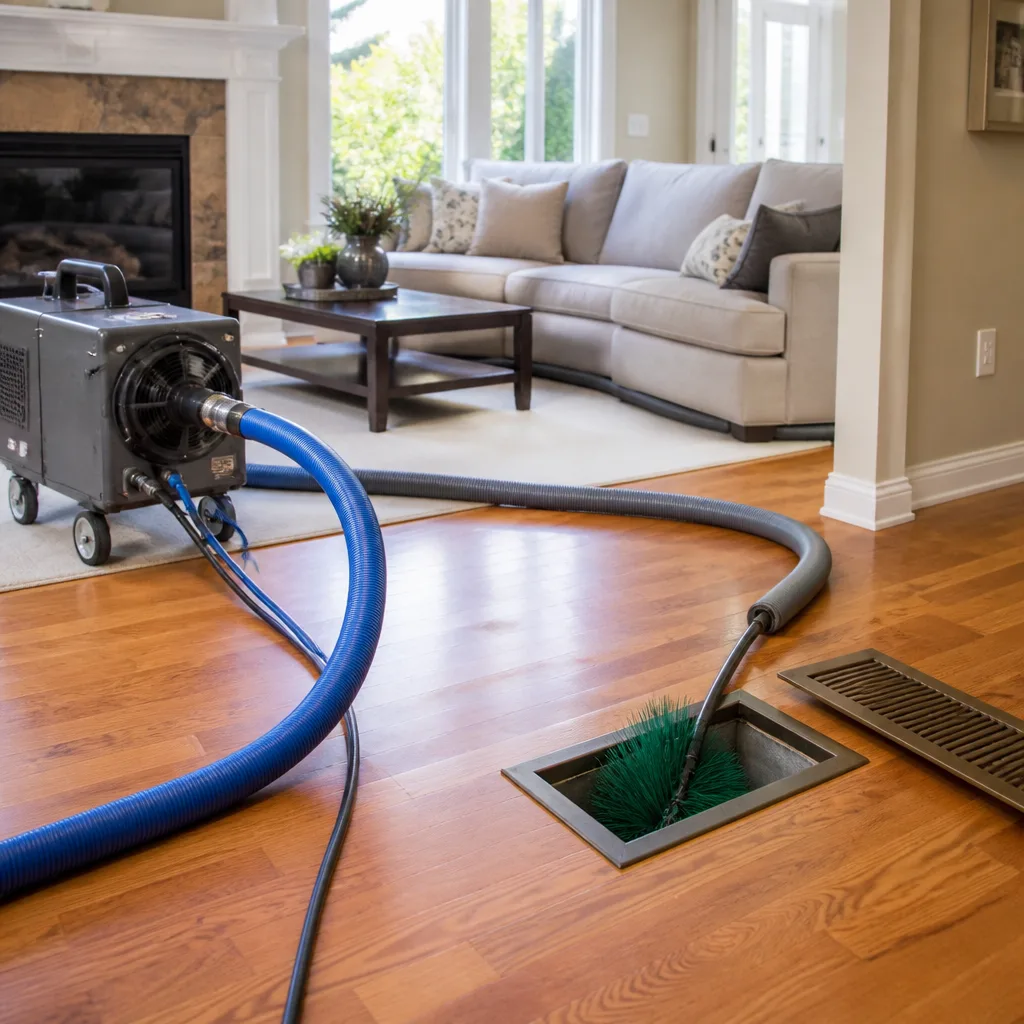 Whole-home duct cleaning
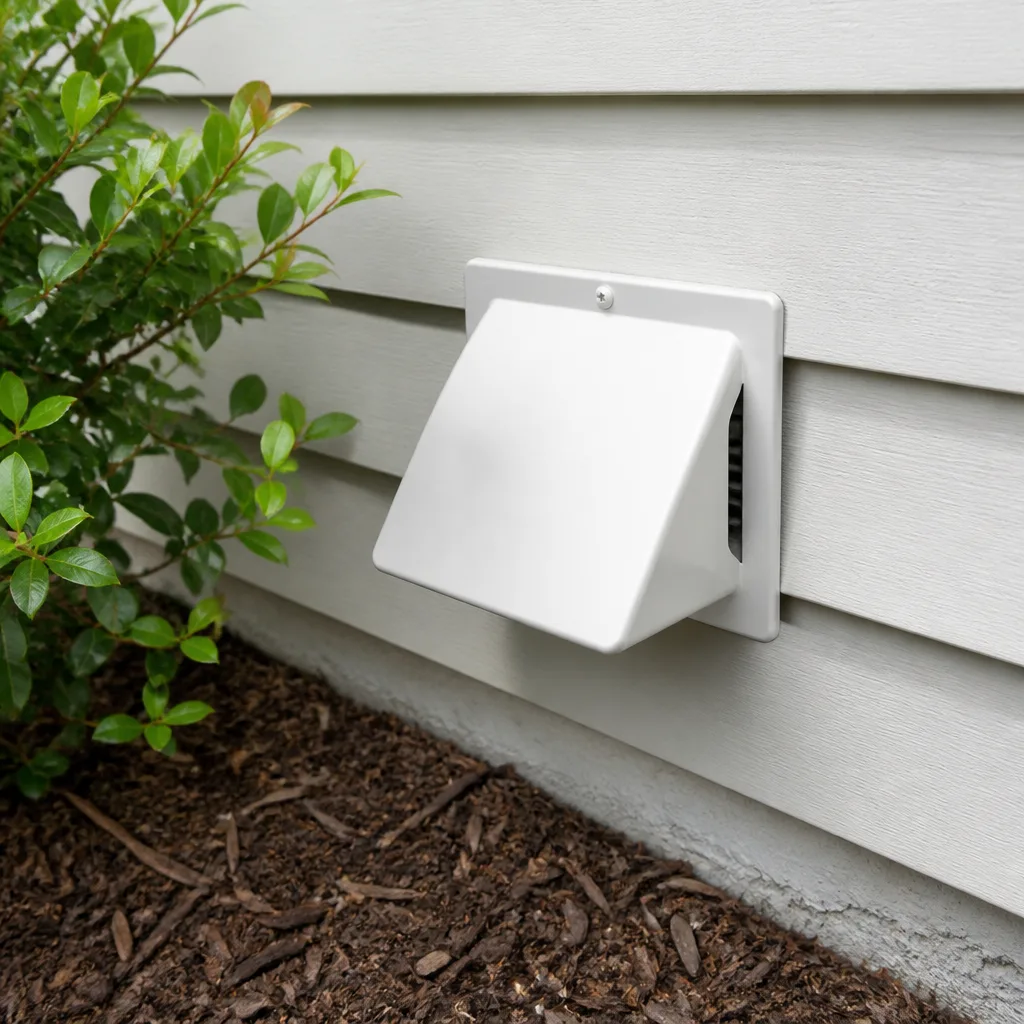 Dryer vent cleaning
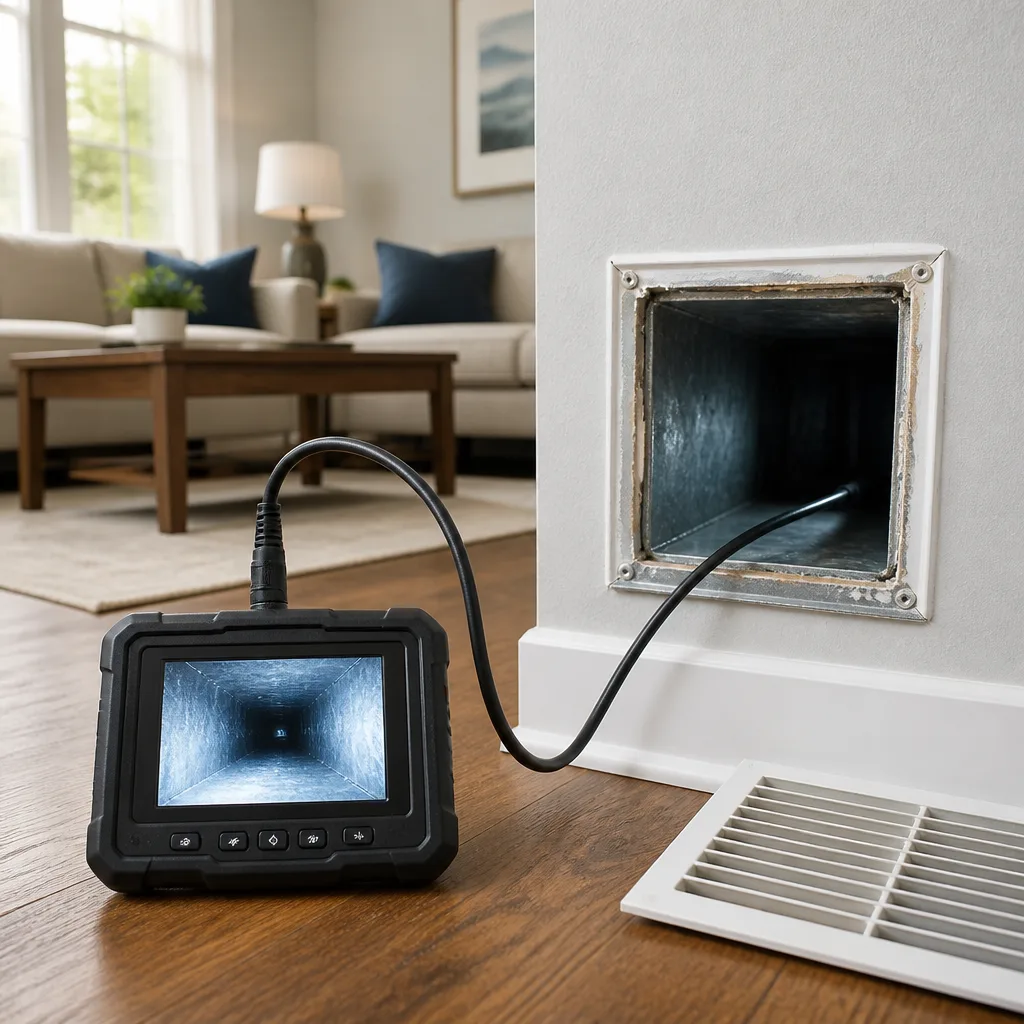 Camera inspection
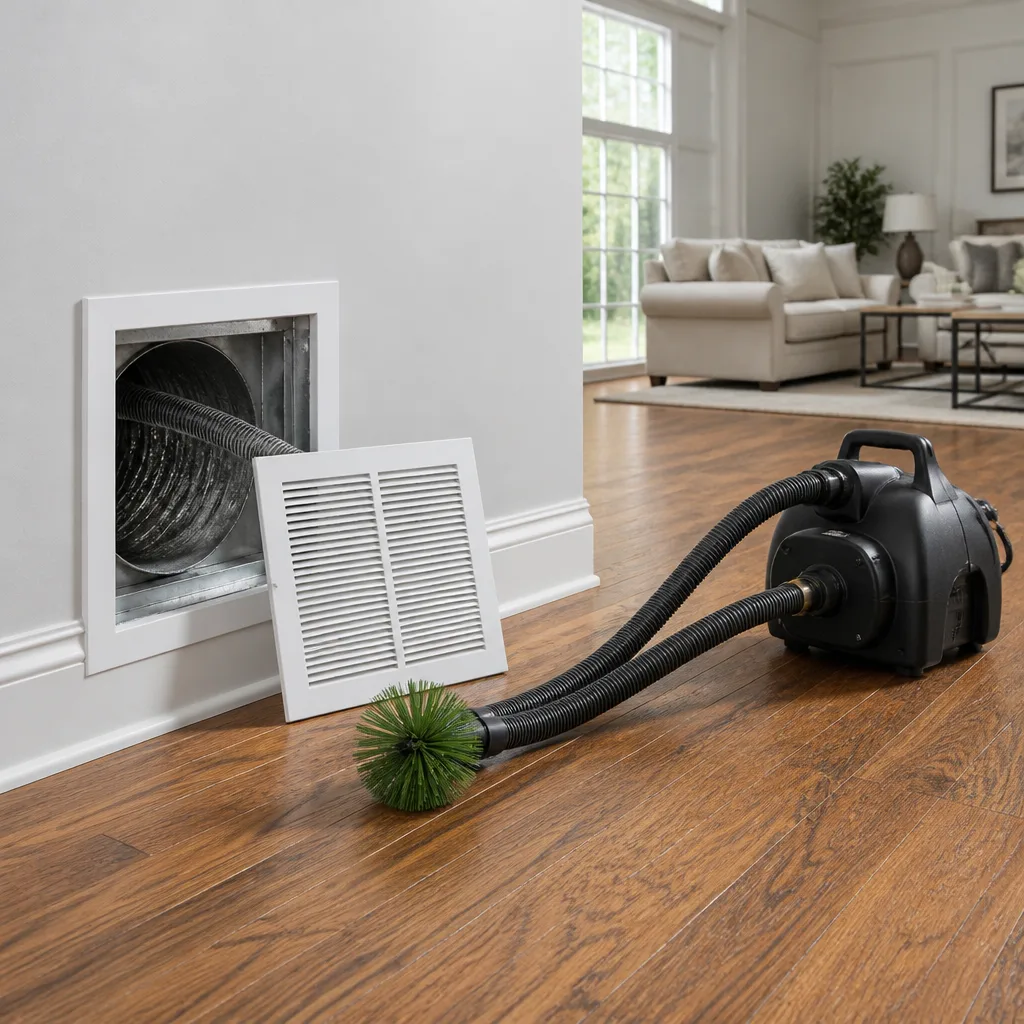 Sanitizing & deodorizing
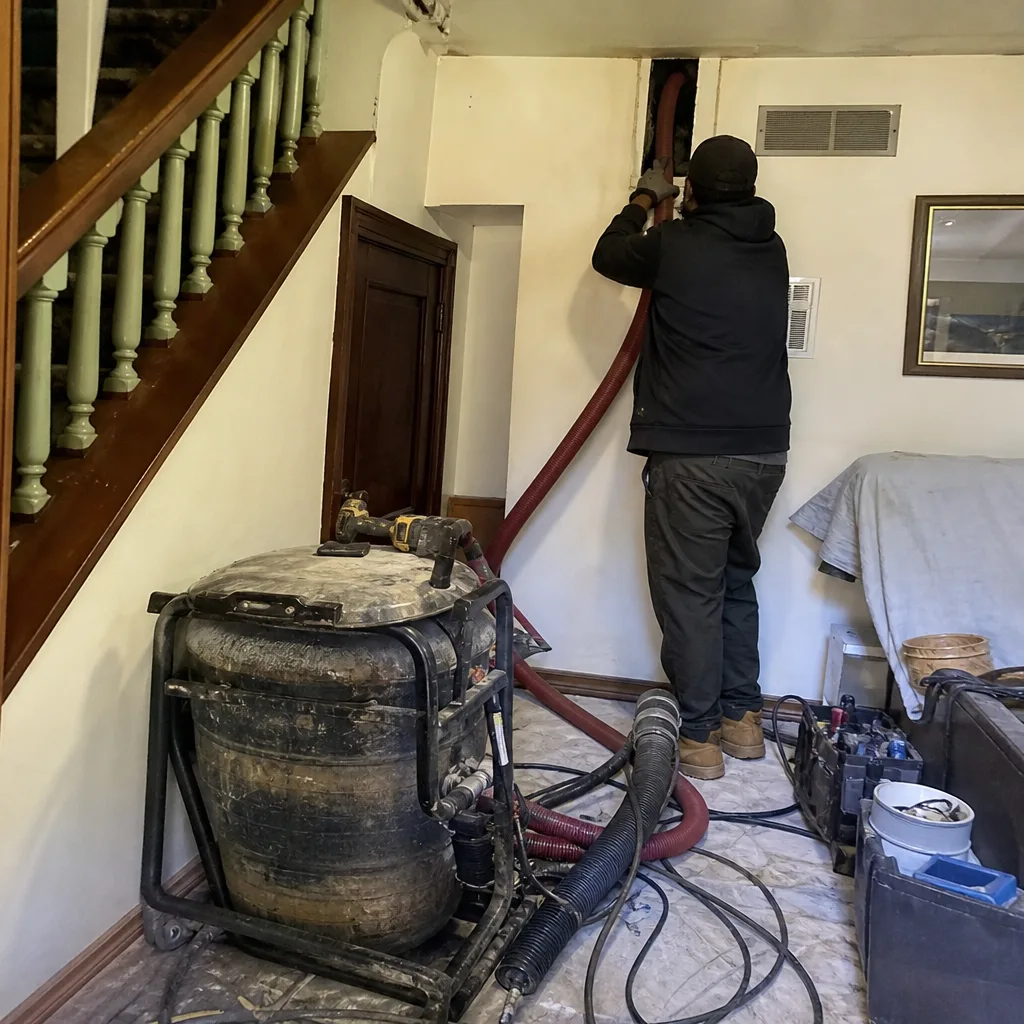
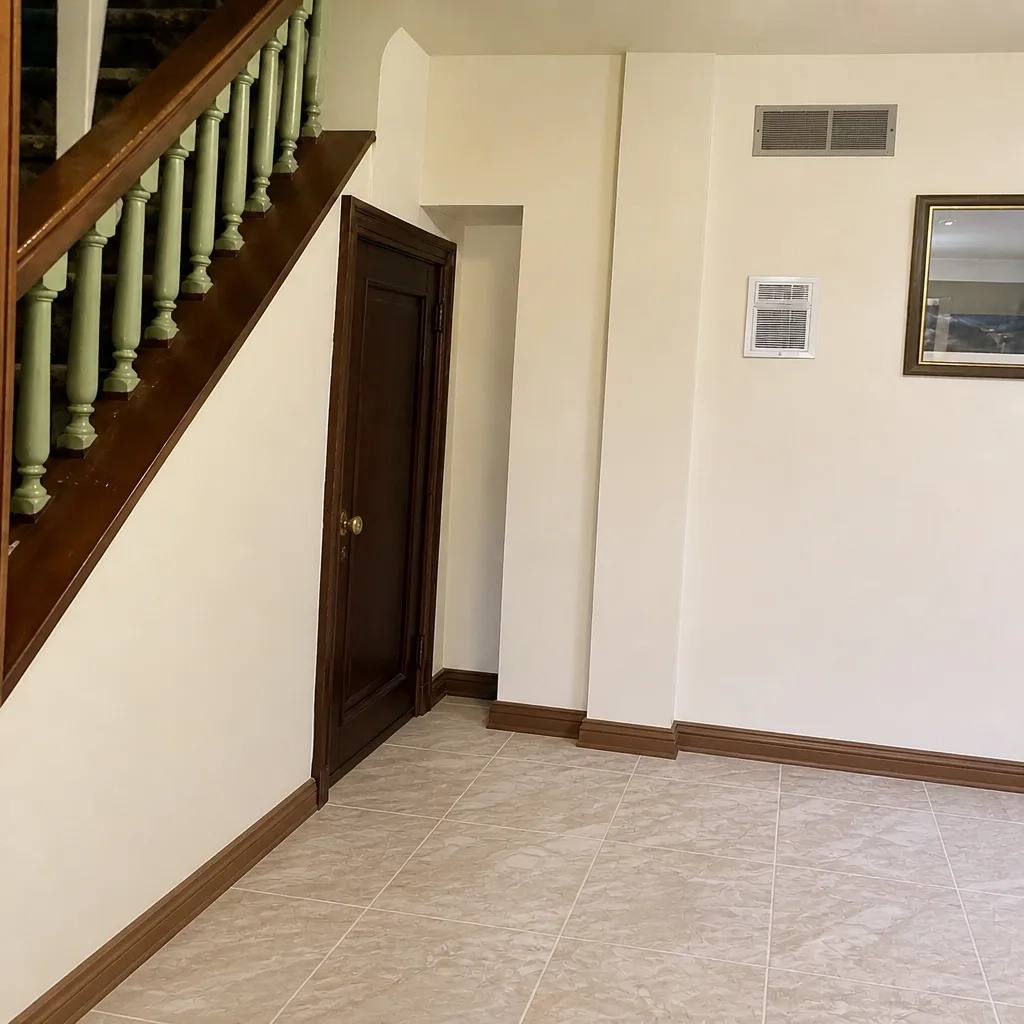
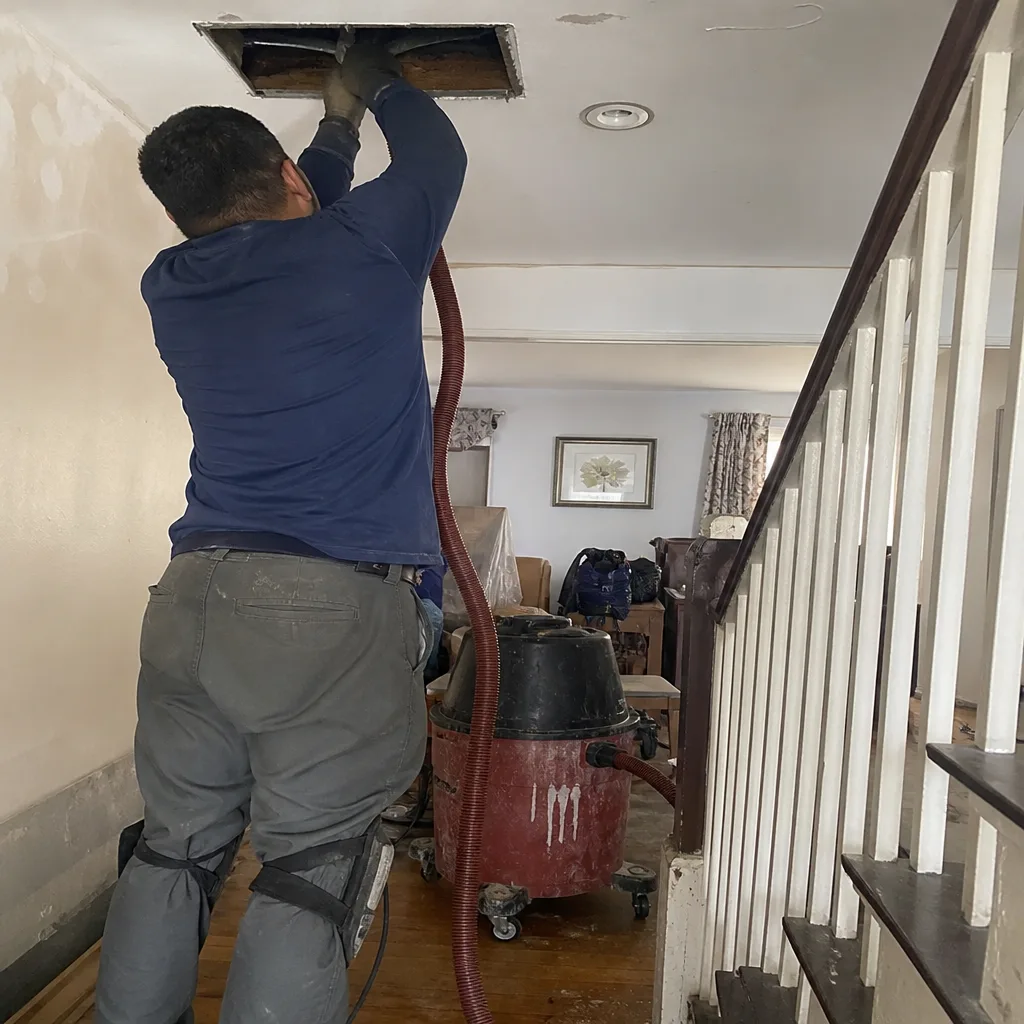
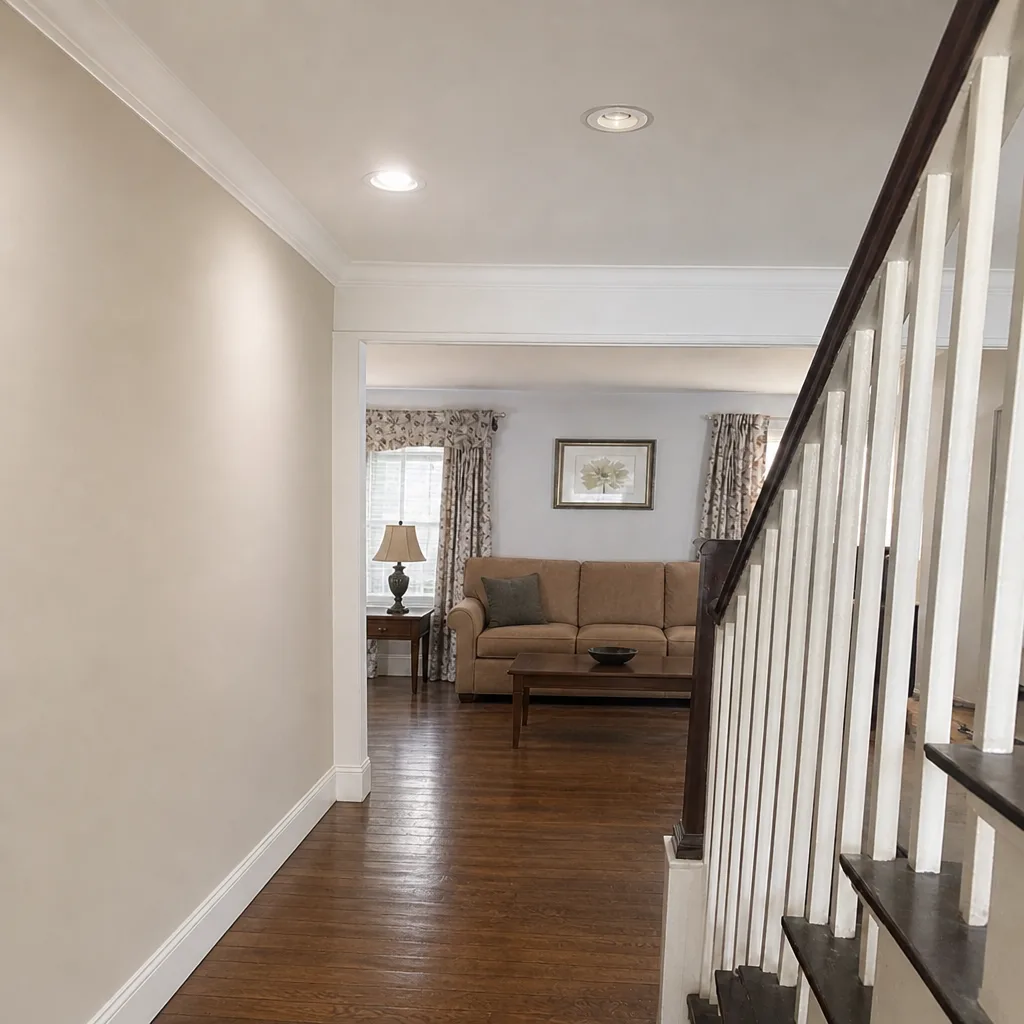
Whole-system duct and dryer vent check with before-and-after photos - you see exactly what came out of your vents
That "$99 whole-house special" is a bait ad - the real number appears once they are in your hallway, or the "clean" is a shop-vac at the register. We photograph the inside of your ducts before and after instead.
Air Duct Cleaning Permits, Codes & Inspections in East Harlem, NY: What You Need to Know
Most East Harlem homeowners assume air duct cleaning is paperwork-free. In our experience, the cleaning itself usually is. The trouble starts after the brush goes in. Once a technician opens up a duct run and finds crushed flex line, a failed seam, or microbial growth on the interior lining, the job shifts from maintenance into corrective work, and corrective work is where New York City permits, landlord obligations, and remediation standards kick in. Two sets of rules govern that shift, and they were written for different reasons: NYC Local Law 55 addresses indoor allergen hazards, and NYC Mechanical Code Section 607 governs how ducts must be built and maintained. A contractor who knows one but not the other can leave you holding unpermitted work. This guide walks through where the line sits, what East Harlem property managers owe their tenants, and what documentation to keep afterward.
Quick Answer
Routine air duct cleaning in East Harlem generally does not require a permit under the NYC Building Code. Permit-required work begins when the job crosses into duct repair, replacement of duct sections or lining, new duct runs, or mold remediation that goes beyond surface cleaning. Separately, NYC Local Law 55 requires landlords of multi-unit buildings to address indoor allergen hazards, and NYC Mechanical Code Section 607 sets the construction and maintenance standards your ducts must meet, whether or not a permit is pulled.
Styles & brands we work with
- Whole-home duct cleaning
- Dryer vent cleaning
- Camera inspection
- Sanitizing & deodorizing
Table of Contents
- Where Air Duct Cleaning Sits Under the NYC Building Code
- NYC Local Law 55 and What It Means for East Harlem Landlords
- NYC Mechanical Code Section 607: Duct Construction and Maintenance
- When Mold Findings Trigger Remediation Protocols
- Which Duct Repairs Need a Permit and Which Don’t
- What an Inspection Looks Like and How to Prepare
- Documentation to Keep After a Cleaning Job
- Common Mistakes to Avoid
Where Air Duct Cleaning Sits Under the NYC Building Code
The NYC Building Code doesn’t regulate duct cleaning as a standalone activity. What it regulates is construction, alteration, and repair of building systems, including mechanical distribution. That distinction matters more than it sounds. A maintenance cleaning, where the technician removes accumulated debris from an existing, intact system, is not construction. The moment the work involves opening walls to reach a duct, replacing a section, relining, or rerouting, you’re in alteration territory and the permit question becomes live.
For East Harlem buildings, this shows up in predictable ways. Prewar walk-ups along Lexington and Park Avenue frequently have original galvanized duct trunks retrofitted decades later with flexible branch runs. Those flex runs are the weak point. They crush, they sag, they tear at the collar. When a technician pulls a brush through and the flex tears open, the fix is a repair, not a cleaning, and that repair may need a filing depending on scope.
- Usually exempt: cleaning existing duct interiors, replacing filters, sealing accessible joints with mastic, sanitizing surfaces.
- Often permit-required: replacing a length of duct, installing new duct runs, cutting into a wall or soffit to access ductwork, changing the duct system’s configuration.
- Always ask: anything touching fire-rated assemblies, shaft enclosures, or penetrations through rated walls.
Our technicians have up to 15 years of experience, and a large share of that experience is telling the difference between a cleaning and a repair before the brush goes in. If you want the baseline on what the cleaning process itself covers, our air duct cleaning page walks through the equipment and sequence.
NYC Local Law 55 and What It Means for East Harlem Landlords
NYC Local Law 55 is the city’s indoor allergen hazard law. It places an affirmative duty on building owners to keep units free of indoor allergen hazards, including mold, pest infestations, and the conditions that feed them. For a landlord in a multi-unit East Harlem building, that duty doesn’t wait for a tenant complaint. It’s ongoing.
Here’s what that means in practice. If a cleaning job turns up visible microbial growth on duct linings, or debris accumulation consistent with a moisture problem, the landlord now has information. Information creates obligation under Local Law 55. The building owner must address the hazard, document what was found and what was done, and be able to produce that record if a tenant files a complaint with the city.
East Harlem’s housing stock makes this more than theoretical. Lots of buildings have duct systems that share returns across multiple units, and moisture intrusion in a top-floor apartment can migrate through a shared return into units below. When we clean a shared return system, we document what we find per floor, because the compliance question is usually per-unit, not per-building.
- Local Law 55 covers indoor allergen hazards including mold and the conditions causing it.
- Obligations run with the building owner, not the tenant.
- Documentation of findings and corrective steps is your defense if a complaint is filed.
- Shared-return systems complicate unit-level documentation and deserve per-floor notes.
If you’re managing a building and want to know what a cleaning visit turns up, that’s a separate conversation from a tenant complaint. Our team works through the findings with you before anything is signed off.
NYC Mechanical Code Section 607: Duct Construction and Maintenance
Section 607 of the NYC Mechanical Code sets how ducts must be constructed and maintained. The section covers materials, support and spacing, sealing requirements, and the standards that duct systems have to meet for smoke and fire safety. It governs the ducts themselves, not the cleaning process.
Why does that matter to a homeowner booking a cleaning? Because when a cleaning job finds a repair need, the repair has to be done to Section 607 standards, not just “patched so it works.” That covers:
- Sealing: joints and seams must meet the code’s sealing requirements, which is why a proper duct sealing job uses mastic or approved tape and not whatever’s in the truck.
- Support: sagging flex duct is a Section 607 problem, not just an airflow problem.
- Material compatibility: a replacement section must match the code’s requirements for the duct’s use and location.
- Fire safety: penetrations and clearances around ductwork in rated assemblies are governed here.
At Air Duct Cleaning East Harlem, we do duct repair and sealing as one of five service categories alongside cleaning, which means the technician finding the problem is also the one correcting it to a code-recognized standard rather than handing you a punch list and leaving. In our experience, that’s the difference between a cleaning that solves a problem and a cleaning that surfaces one.
The practical takeaway for an East Harlem property manager: when a contractor proposes duct repair after a cleaning, ask what standard the repair is being held to. If the answer is vague, so is the work. If you want the full picture on where duct sealing sits in a service lineup, our HVAC cleaning page covers the broader system-side work.
When Mold Findings Trigger Remediation Protocols
Surface dust is one thing. Visible microbial growth on a duct lining is another, and it changes the scope of the job. NYC Department of Health guidelines treat mold growth as an indoor environmental condition that needs to be addressed at its source, meaning the moisture problem, not just the visible growth. Duct cleaning alone doesn’t satisfy that. You need the moisture source identified and corrected, or the growth returns.
What that looks like on a real job:
- Identify the scope. How much of the duct interior shows growth, and is it confined to one run or spread across a trunk?
- Find the moisture source. Condensation, roof leak, plumbing, or high indoor humidity are the usual culprits. Without that step, remediation is theater.
- Clean to the appropriate standard. Surface cleaning isn’t enough for porous linings with established growth. Contaminated material may need removal, which can cross into permit territory.
- Sanitize and document. Post-remediation sanitizing with a product compatible with the duct system, and written documentation of what was found, what was done, and what was tested.
This is why we keep Abatement Technologies equipment available. Jobs that reach this scope need containment and HEPA-filtration capability at remediation grade, not a shop vac with a brush attachment. If the findings are bigger than a cleaning, saying so is part of the job, and our Air Duct Cleaning East Harlem service overview lays out what a remediation-grade visit includes.
Which Duct Repairs Need a Permit and Which Don’t
The short answer: routine maintenance doesn’t, alterations usually do, and the gray zone is where most East Harlem problems live. Here’s the working rule we use. If the repair restores the system to what it was designed to be, it’s usually maintenance. If the repair changes the system, its configuration, its material, or its route, it’s an alteration.
- Sealing accessible joints and seams: maintenance, no permit.
- Replacing a damaged flex run with the same size and material in the same location: typically maintenance, but check scope.
- Replacing duct in a fire-rated assembly or penetrating a rated wall: permit-required, and often sprinkler or fire-stopping work follows.
- Adding a new supply or return: alteration, permit-required.
- Relining a duct with a different interior material: alteration, and it must meet Section 607 material standards.
We can’t tell you whether a specific repair in a specific building needs a filing without seeing it. What we can do is flag it before work starts so it’s not a surprise after. Most cities require a permit for alterations of this kind, so ask your building’s architect or expeditor if the scope is unclear. Doing that step now is cheaper than doing it at resale.
What an Inspection Looks Like and How to Prepare
An inspection of ductwork usually happens for one of three reasons: a building-wide compliance review, a tenant complaint about air quality, or a pre-sale or refinance review of the mechanical systems. How you prepare depends on which one you’re facing, but the pattern is consistent.
- Assemble the records first. Cleaning invoices, before-and-after photos, any remediation documentation, and any permits pulled for duct alterations. If you can’t find these, an inspection finds out for you.
- Know the system’s condition before the inspector does. A pre-inspection cleaning and assessment is normal preparation, not a workaround. Knowing what’s there means the conversation is about findings, not surprises.
- Understand what the inspector is actually checking. For a Section 607 review, it’s construction compliance and maintenance condition. For a Local Law 55 complaint, it’s whether the allergen hazard was addressed and documented.
- Have a vendor record. Who cleaned the system, when, and with what equipment. This matters for insurance claims and for tenant complaints alike.
If any of that sounds unfamiliar, don’t wait until you’re on the wrong side of a complaint. A professional assessment before the inspection is the cheaper order of operations.
Documentation to Keep After a Cleaning Job
What you keep on file matters as much as the cleaning itself. In a building inspection or a tenant complaint, the paper trail is often the difference between “we addressed it” and “we can’t demonstrate that we addressed it.” Here’s the record set we recommend for East Harlem homeowners and property managers:
- Pre- and post-cleaning photos of each duct run, labeled by location in the building.
- The written estimate and invoice, itemized by service, so the scope of what was done is unambiguous.
- Any findings report: what the technician observed, including mold, damaged duct, or failed connections.
- Correction records if repairs were made, with the standard the work was held to.
- Sanitizing product documentation if sanitizing was performed, including product name and application method.
- Any permit or filing documentation for work that required it.
Keep these for at least as long as you own the building, and longer if the building is in a sale or refinance window. If you’re a tenant, keep your copies too; you may need them if the landlord’s record and yours diverge. Over the years, these records are what holds up when memory doesn’t.
We provide before-and-after photos as part of every job for exactly this reason. If any part of the cleaning involved duct repair, we also document what was corrected. If a scope later turns out to need a permit, you’ll know because the documentation will show the work was flagged at the time.
Common Mistakes to Avoid
- Treating every cleaning quote as comparable. A quote that doesn’t distinguish cleaning from repair, or that doesn’t mention what happens when damage is found, isn’t the same job as one that does. In East Harlem, where flex duct retrofits are everywhere, this difference is felt fast.
- Skipping documentation because nobody asked for it. Nobody asks until the inspection, the tenant complaint, or the buyer’s attorney letter. By then, missing records are a much bigger problem than they were on day one.
- Assuming a cleaning satisfies Local Law 55. Cleaning improves air quality. It doesn’t address the moisture source that produced the growth in the first place, and that’s what the law is about.
- Letting a contractor repair ductwork without asking what standard the work will be held to. Section 607 compliance is not optional just because no permit was pulled.
- Pulling a permit and then not asking what the inspection will cover. A permit means an inspection, and being ready for it is the point of pulling it in the first place.
- Hiring a generalist for a job that needs remediation-grade capability. If the findings cross into mold or post-construction contamination, Abatement Technologies grade containment and HEPA filtration aren’t extras, they’re the baseline.
- Assuming an East Harlem walk-up has the same duct configuration as the building next door. The buildings on one block of a given East Harlem street were often retrofitted differently as heating systems changed over time. What’s true in one isn’t necessarily true in the next.
See the difference
 Before
 After
 Before
 After
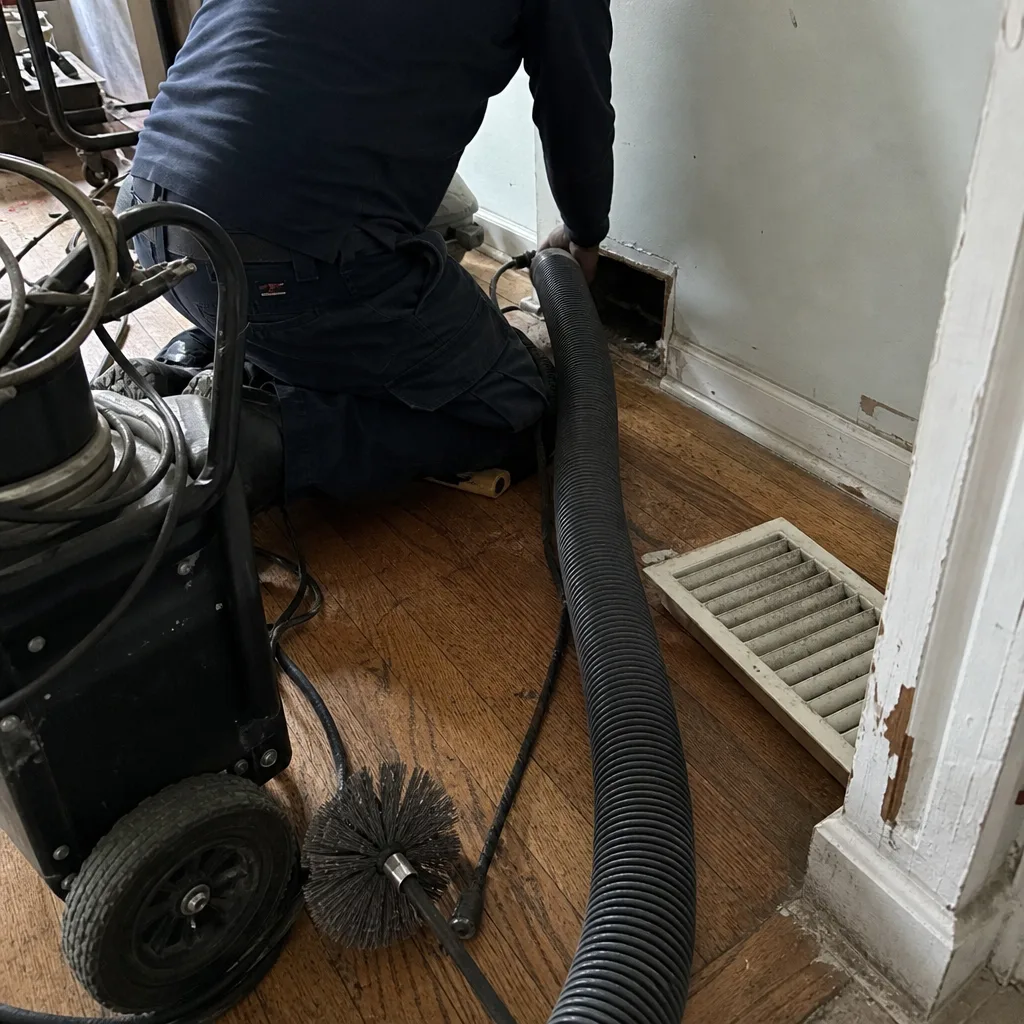 Before
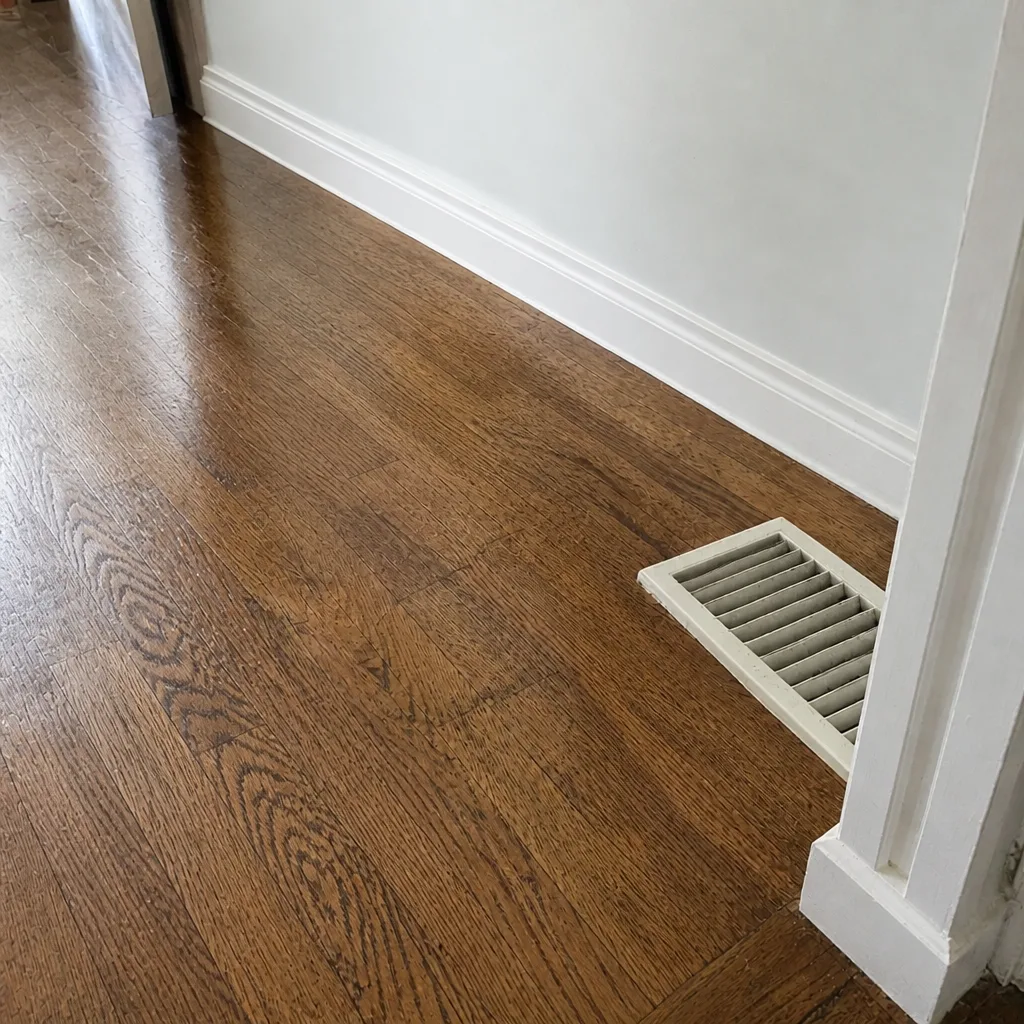 After
When to Call a Professional
Call us if you’re facing a building inspection, a tenant air-quality complaint, or a pre-sale or refinance review and your duct records are thin. Call us if you’ve noticed musty odor, uneven airflow, or worsening allergies in a unit and you want the system assessed before small findings become a compliance question. Call us if you’re a landlord considering a cleaning and you want findings documented properly the first time. And call us if a previous cleaning surfaced a repair and you’re not sure whether it needed a permit. Air Duct Cleaning East Harlem offers free estimates in East Harlem. Call (833) 508-9257. We answer 24/7. Fast dispatch from 7am to 7pm, Sunday through Friday.
If the job reaches into dryer vent territory, that’s a separate fire-safety compliance area, and dryer vent cleaning is worth doing alongside the HVAC work rather than separately.
Frequently Asked Questions
No. Routine air duct cleaning itself does not require a permit under the NYC Building Code. The permit question comes up when a cleaning uncovers duct repair, replacement, or alteration, which does usually require filing. Call (833) 508-9257 for an exact quote, and we’ll flag any permit concerns before work starts.
NYC Local Law 55 requires building owners to keep units free of indoor allergen hazards, including mold and the moisture conditions that cause it. It’s an ongoing duty, not a complaint-response one. If a duct cleaning uncovers microbial growth, that finding is information you’re obligated to act on and document. Call us to plan a findings visit.
Section 607 sets the standards for duct construction and maintenance, including materials, support, sealing, and fire safety. It matters because any duct repair identified during cleaning should be corrected to this standard, not just patched functionally. Call (833) 508-9257 for an exact quote on repair and sealing work.
Not necessarily as a report to a city agency, but you do need to address and document it. If the mold is in a tenant unit under Local Law 55, the obligation is to correct the hazard and keep records you can produce on request. Proper remediation includes finding the moisture source, not just cleaning the growth. Call for an assessment and free estimate.
Keep pre- and post-cleaning photos of each run, the itemized invoice and estimate, any findings report, correction records, sanitizing product documentation, and any permit filings for work that required one. Photographs and reports are what stand up in an inspection or tenant complaint. Call (833) 508-9257 to schedule a job with full documentation.
A qualified one will. Ask directly, before work starts, and ask what standard the repair is being held to. If a contractor can’t answer either question, that’s a sign to look elsewhere. Our technicians have up to 15 years of experience and will flag permit and code concerns as part of the estimate. Call for a free estimate.
The Bottom Line
Air duct cleaning itself is usually paperwork-free in East Harlem. The work it uncovers isn’t. NYC Local Law 55 governs indoor allergen hazards in multi-unit buildings, and NYC Mechanical Code Section 607 governs how ducts must be built and maintained; a contractor who cites one without the other can leave you with a compliance gap. Keep your documentation, ask for the standard any repair is held to, and own the moisture problems that started the growth, not just the growth. If a cleaning turns up mold, use a remediation-grade crew, and if a repair is needed, find out whether it changes the system before it gets done. That’s the whole game. If you want a free estimate on a cleaning or a findings assessment in East Harlem, call (833) 508-9257. We answer 24/7. Fast dispatch from 7am to 7pm, Sunday through Friday.
Written by the team at Air Duct Cleaning East Harlem.