
Last updated November 22, 2026
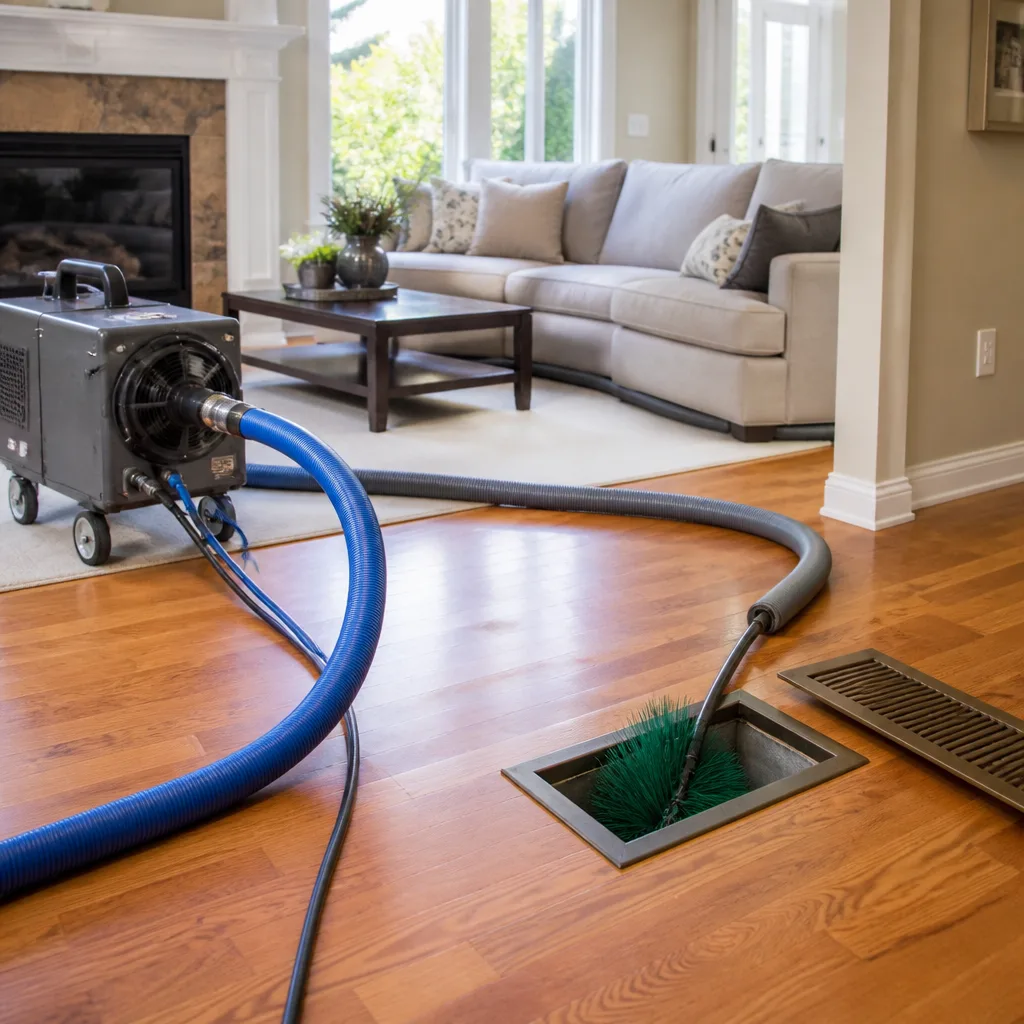 Whole-home duct cleaning
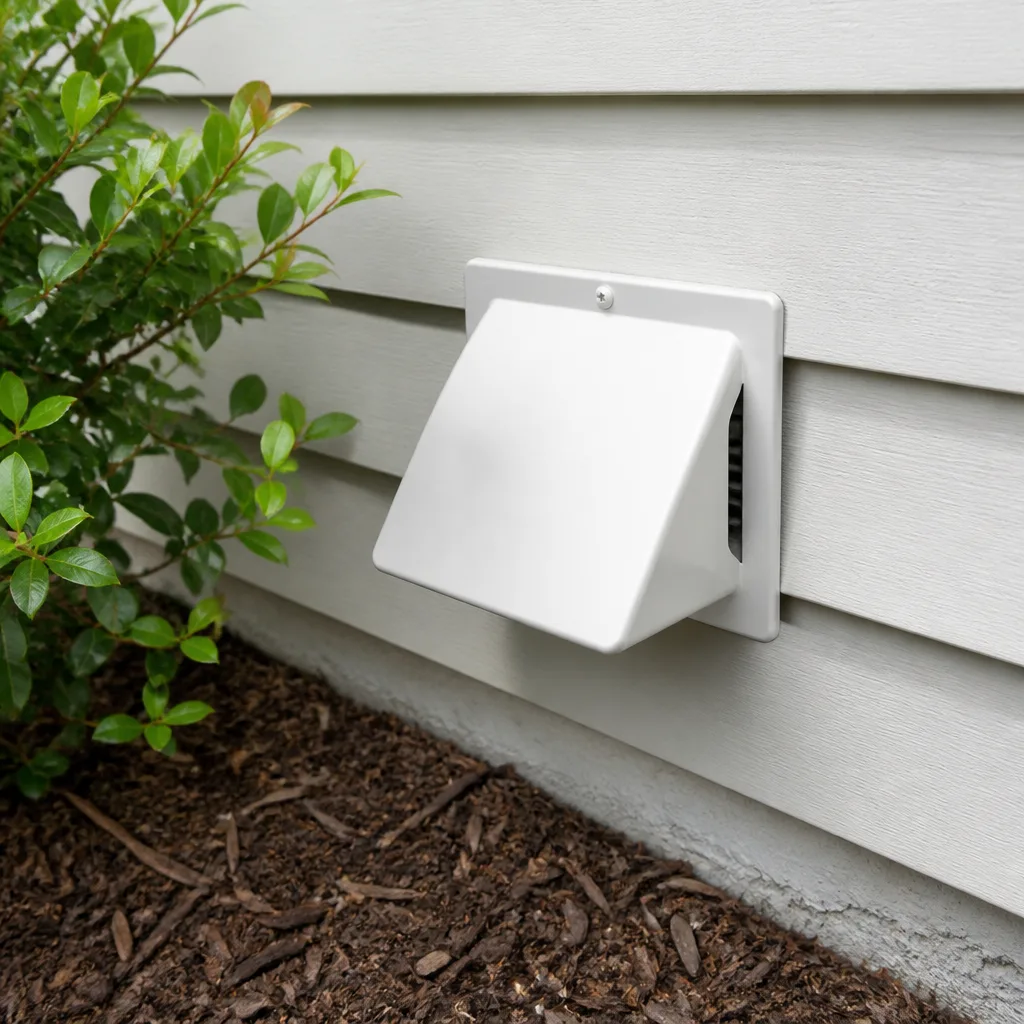 Dryer vent cleaning
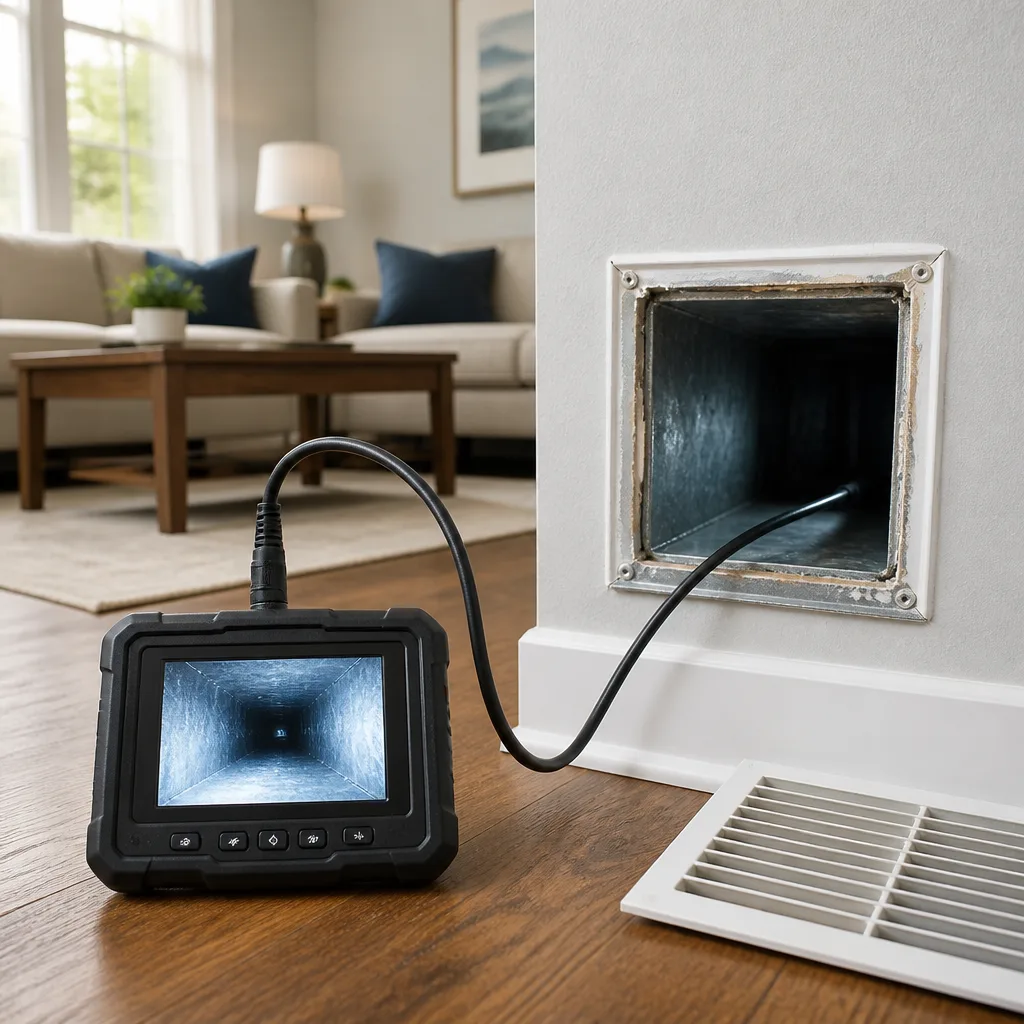 Camera inspection
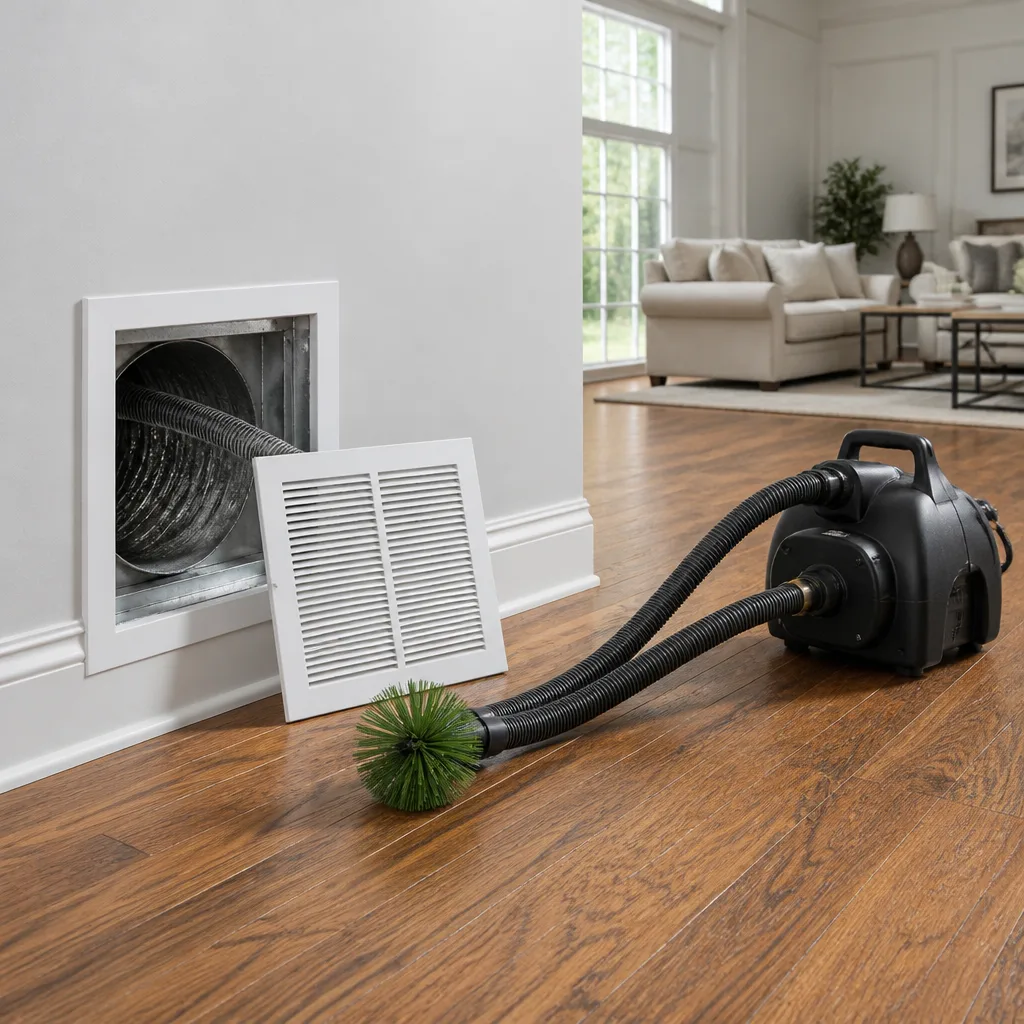 Sanitizing & deodorizing
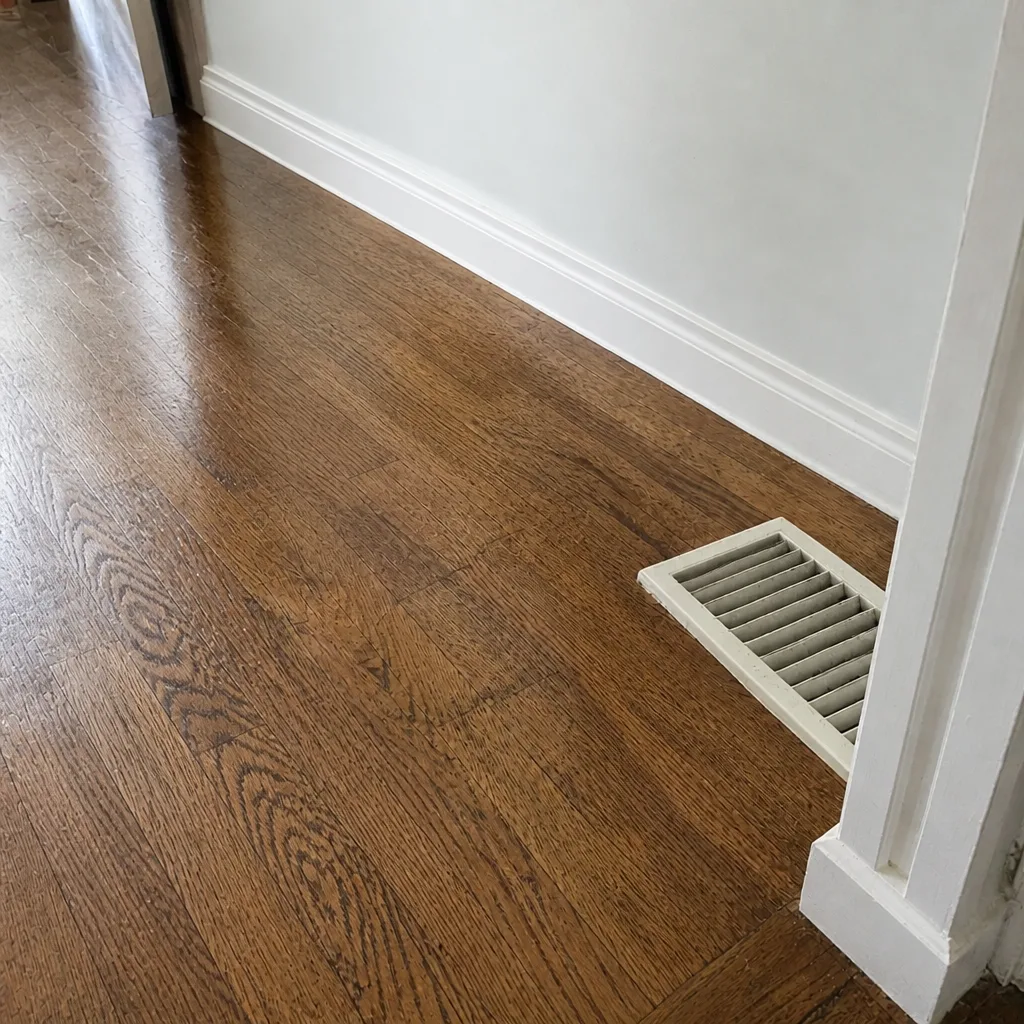
Whole-system duct and dryer vent check with before-and-after photos - you see exactly what came out of your vents
That "$99 whole-house special" is a bait ad - the real number appears once they are in your hallway, or the "clean" is a shop-vac at the register. We photograph the inside of your ducts before and after instead.
Seasonal Air Duct Cleaning Care for East Harlem: Year-Round Homeowner’s Guide
Most duct-care advice tells you to clean before heating season and then forget about it. In East Harlem, that advice misses three of the four risk windows that actually shape what ends up in your ducts. The season homeowners tend to skip – spring – is the one where dormant cooling coils, rising humidity, and the particulate left behind by a full winter of forced-air heating combine to create the best conditions for biological growth inside the system. This guide walks through all four seasons as separate risk windows, each with its own contamination mechanism and its own response, then shows you how to build a rolling 12-month calendar around your building type rather than a generic schedule. Air Duct Cleaning East Harlem handles the diagnostic and cleaning side, and we’ve written this so you can make informed decisions the rest of the year.
Quick Answer
In East Harlem, ducts should be inspected in early spring before the first AC use, cleaned of coil and trunk debris by late spring, inspected again in early fall before heating season, and checked for filter and humidification balance in midwinter. The specific timing depends on your building type: prewar steam-conversion buildings, central-air apartments, and mini-split hybrid setups each carry a different contamination profile and should not share the same schedule. Professional-grade cleaning with Rotobrush or Nikro systems, plus sealing any leaks found during inspection, is what actually keeps the system clean between visits.
Styles & brands we work with
- Whole-home duct cleaning
- Dryer vent cleaning
- Camera inspection
- Sanitizing & deodorizing
Table of Contents
- Why East Harlem’s Four Seasons Hit Your Ducts Differently
- Spring: The Highest-Risk Window for Biological Growth
- Summer: Urban Heat Island and Coil Loading
- Fall: The Pre-Heating Inspection That Sets the Year
- Winter: Dry Forced Air and Dust Mobilization
- Building a 12-Month Rolling Calendar by Building Type
- Common Mistakes to Avoid
- When to Call a Professional
- Frequently Asked Questions
Why East Harlem’s Four Seasons Hit Your Ducts Differently
East Harlem sits in one of the densest urban environments in the country, and that density changes how each season stresses a duct system. Particulate load comes from traffic corridors along First, Second, and Third Avenues, from heating exhaust across thousands of prewar units, and from construction dust that never quite settles out. When that load combines with shifting humidity and long run-times, the duct system does not just get dirty – it gets dirty in different ways depending on which month you are in.
The standard “clean before heating season” advice treats the year as a single event. In practice, your system moves through four distinct phases:
- Winter heating: dry air mobilizes settled dust and pushes it through the supply side.
- Spring transition: dormant cooling components plus rising humidity plus residual winter particulate create the highest risk for biological colonization.
- Summer cooling: long run-times under urban heat island conditions accelerate debris accumulation on evaporator coils and in supply trunks.
- Fall transition: the cooling season’s deposits set before heating air starts moving them again, which is why the pre-October inspection matters so much.
Each phase has its own inspection task and its own appropriate homeowner response. Once you see the year this way, the calendar stops being arbitrary. In East Harlem, a building with a longer cooling season and denser traffic exposure needs a different schedule than a building in a quieter part of the neighborhood, and both need a different schedule than a suburban home following generic advice.
Spring: The Highest-Risk Window for Biological Growth
Spring is the season most East Harlem homeowners ignore for duct care, and it is the one that carries the highest risk. The mechanism is straightforward and worth understanding in detail.
All winter, the heating system runs. It moves a large volume of air through the ducts, dries it out, and leaves behind a fine layer of particulate on the interior surfaces – especially in the return side and on any components that do not see constant airflow. When the heating season ends, the cooling system sits dormant. Coils stay wet from the last cycle, return trunks hold a residual moisture film, and the first warm humid days of spring push relative humidity up without the system running enough to move air and dry things out. That combination of dormant components, rising humidity, and accumulated particulate is close to ideal conditions for mold and other biological growth inside ductwork.
Inspection tasks before first AC use
- Ask for a visual check of the evaporator coil and the immediate drain pan area before you switch the system over. Standing water or a musty odor near the air handler is a red flag.
- Check the return-side filter. A filter that has run through a whole winter of East Harlem particulate is loaded, and a loaded filter does nothing to protect a system that is about to start cooling.
- Have the supply trunks inspected for visible moisture streaking or microbial growth. This is not a DIY check – coils sit in tight mechanical spaces, and condensation lines need to be handled by someone who knows what they are looking at.
- Confirm the condensate drain is clear before the cooling season begins. A blocked drain in a closed closet turns a small spring problem into a much larger one by midsummer.
- Decide before the season whether you want a cleaning or a cleaning plus sanitizing. If inspection finds biological growth, sanitizing with Aprilaire-compatible products is part of the answer, not an add-on.
If you notice a musty smell in April or May that was not there in February, that is the signal. In East Harlem apartments, the smell often shows up in a bedroom or closet before it shows up anywhere else, because those rooms have the least airflow. A proper air duct cleaning before the system starts cooling handles both the contaminant and the conditions that let it take hold.
Summer: Urban Heat Island and Coil Loading
Summer in East Harlem puts more hours on the cooling system than the same thermostat setting would in a cooler climate, because the urban heat island effect keeps the neighborhood warmer than surrounding areas with more tree cover and less pavement. Longer run-times mean more air moving through the system, and more air moving through the system means faster accumulation on the evaporator coil and in the supply trunks.
Two things happen at once during a long East Harlem summer:
- Coil loading: the evaporator coil is wet almost continuously while the system runs. Airborne particulate sticks to a wet coil far more readily than a dry one. Over a full cooling season, that film reduces heat transfer, which makes the system run longer, which loads the coil further.
- Supply trunk accumulation: debris that settles in the supply runs during low-demand hours gets picked up and re-deposited when demand spikes. In a dense building, the supply trunk can pick up a measurable layer over one season.
You do not need to crawl into the mechanical closet to spot the problem. Telltale signs include weaker airflow from registers in the rooms furthest from the air handler, a coil that ices up more often than it used to, and a cooling bill that climbs while the indoor temperature stays level. Thermostat setpoint does not explain a change like that; airflow does.
Mid-summer is not the ideal time for a full cleaning in most East Harlem buildings, because the system is in constant use and there is no quiet window to inspect properly. What matters in summer is monitoring and a filter change schedule that keeps pace with run-time. Save the cleaning itself for a shoulder week in late spring or the block of time between the end of the cooling season and the start of heating.
Fall: The Pre-Heating Inspection That Sets the Year
Fall is the season with the cleanest logic: the cooling system has just finished its heaviest run of the year, and the heating system is about to start. What sits in the ducts now will either be cleaned out or be blown through the living space all winter. That is why the pre-October inspection carries more weight than the generic “clean before heating season” instruction suggests.
What debris profiles look like after a full cooling season
In a high-particulate urban environment, the debris you find in fall is not a single substance. It is a layered deposit, and each layer tells you something:
- Coil-side film: fine, dark, and slightly tacky where the coil stayed wet. This is the layer that reduces efficiency.
- Supply trunk dust: lighter and looser, picked up from the register end and re-deposited further up the run.
- Return-side buildup: heavier and more fibrous, because the return sees the largest volume of unfiltered room air.
- Construction or renovation dust: in buildings that had any work done over the summer, a fine, uniform grey coating that suggests drywall or masonry dust entered the system.
A proper pre-heating inspection should include a look at all four. Professional-grade equipment matters here: shop-vac or consumer-grade tools cannot extract the coil-side film without damaging the fins, and they certainly cannot reach the interior of a supply trunk. Rotobrush and Nikro systems are the standard on jobs like this for good reason. If contamination is heavy enough to suggest mold risk or post-construction debris, Abatement Technologies equipment comes into play for remediation-level extraction.
While the system is open, this is also the right moment to check for duct leaks and to address them with sealing rather than deferring. A sealed system holds its cleanliness through the heating season far better than one that pulls unfiltered air from a mechanical closet or a cavity. Cleaning, sealing, and sanitizing in one visit is the honest way to do fall work; coordinating three separate vendors rarely produces a better result and almost always produces more disruption.
Winter: Dry Forced Air and Dust Mobilization
Winter changes the nature of the problem inside East Harlem ducts. The heating system dries the air it moves, and dry air charges dust particles so they stay suspended longer and settle in the living space rather than the duct. Every time the system cycles, it mobilizes settled dust from the return side and pushes it through the supply. If the system was cleaned in fall, this is manageable. If it was not, winter is when a homeowner notices the dust on a windowsill and mistakes it for a housekeeping problem.
Two adjustments reduce mid-system contamination accumulation through the heating season:
- Match filter rating to system, not to wishful thinking. A filter rated higher than the blower can handle chokes airflow and creates a different problem. If you are unsure what your system accepts, ask during the fall inspection. Honeywell filter cabinets and return grilles are common in East Harlem buildings, and they are designed around a specific filter thickness and MERV range.
- Consider humidification at the system level, not the room level. Dry forced-air heat is the main reason winter dust stays airborne. Whole-home humidification tied into the HVAC system raises moisture to a level where dust settles out of the air and into the filter rather than into your lungs. Aprilaire humidifiers integrate with most systems, and having the cleaning and the humidification spec work done in one visit keeps the system consistent.
In our experience, East Harlem homeowners who add whole-home humidification after a proper cleaning report less static, less visible dust on surfaces, and fewer complaints about dry air in bedrooms. The humidification does not clean the ducts; it changes the conditions that let dust stay airborne once the ducts are clean.
Do not skip the midwinter filter check in a building with a long heating season. A filter that was fine in November is often loaded by January in a dense East Harlem building, and a loaded filter is the single most common cause of what looks like a duct problem but is actually a filter problem.
Building a 12-Month Rolling Calendar by Building Type
A single annual schedule does not fit East Harlem’s housing stock. Three building types cover most of the neighborhood, and each has its own dust profile, its own mechanical constraints, and its own ideal cleaning window. Below is how we build a rolling calendar for each.
1. Prewar steam-conversion buildings
Many East Harlem buildings still have ductwork that was retrofitted into an older steam or radiator layout. The ducts are often short and irregular, and the mechanical spaces are tight.
- Spring: inspect return side and any coils that were added during the conversion. The retrofit geometry is where problems hide.
- Early summer: cleaning window before the long cooling run begins.
- Fall: pre-heating inspection, plus a leak check on any joints added during the retrofit.
- Midwinter: filter change and humidification check.
2. Central-air apartments and small buildings
Central-air systems in East Harlem have long trunk runs and larger air handlers, which means both more coil surface to load and more trunk volume to accumulate debris.
- Spring: coil and condensate inspection before first use.
- Late spring or early fall: cleaning, whichever shoulder week is quieter for the building.
- Fall: leak check and sealing, plus any sanitizing if spring inspection found growth.
- Winter: filter cadence and humidification balance.
3. Mini-split hybrid setups
Mini-splits have no ductwork to speak of, but many East Harlem apartments run mini-splits in some rooms and ducted cooling or heating in others. The split system reduces duct load but concentrates it in the ducted portion, and the indoor heads of mini-splits need their own coil and filter attention.
- Spring: clean mini-split filters, inspect indoor coils, and inspect the ducted zone separately.
- Summer: mini-split condensate check mid-season; ducted zone run-time monitoring.
- Fall: pre-heating inspection on the ducted portion only.
- Winter: filter cadence and humidification, plus mini-split operation check if used for heating.
Across all three, the rule of thumb is the same: clean before the season that will run hardest, not after. For East Harlem apartments, that usually means the late-spring window and, secondarily, the early-fall window. If you are managing a rental and want the calendar tied to a support visit, HVAC cleaning covers the equipment side in the same appointment and keeps the two sides of the system on the same schedule. Landlords with tenant-facing obligations should also note that dryer vent cleaning belongs on the same rolling calendar, because a clogged dryer vent is a fire risk and not just an efficiency problem.
Common Mistakes to Avoid
- Cleaning only before heating season. The standard advice leaves the spring biological-risk window completely uncovered. In East Harlem, spring inspection is the single most valuable task on the calendar.
- Assuming a filter change is the same as a cleaning. A filter captures what reaches it; it does not remove what has already settled in the supply trunk, on the coil, or in the return run.
- Hiring on price alone. Consumer-grade tools cannot extract coil-side film without damaging the fins, and discount crews often bid low and then add charges once they are on site. A single flat price per system, agreed before work starts, is the standard worth insisting on.
- Skipping the fall inspection because the system “seems fine.” The debris that matters is inside the trunk and on the coil, where you cannot see it. Fall is when the year’s accumulation is worst and the heating season is about to move it.
- Using generic MERV filters in a building that cannot handle the restriction. Higher filtration sounds better but can choke airflow and create a different set of problems. Match the filter to the system with professional advice.
- Leaving duct leaks unaddressed. A sealed system holds its cleanliness. An unsealed one pulls unfiltered air from the mechanical closet or cavity and undoes the cleaning over a single heating season.
- Treating dryer vent cleaning as optional. A lint-clogged dryer vent is a leading household fire risk. It belongs on the same calendar as the duct work, not as an afterthought.
When to Call a Professional
Call when you notice new musty odors in April or May, weaker airflow from registers in the rooms furthest from the air handler, or a visible dust pattern on supply grilles that returns within days of a cleaning. Call before the first cooling cycle in spring if a full year has passed since the last inspection, and call in early fall regardless, because the pre-heating inspection is where the year’s accumulation is heaviest. Call sooner if a renovation has finished in the building, if the system has visible mold near the air handler, or if a dryer has been running hot or taking longer than usual to dry a load. Our technicians have up to 15 years of experience, and we use professional-grade Rotobrush and Nikro systems because the tools are what determine whether a cleaning is real. Air Duct Cleaning East Harlem offers free estimates in East Harlem – call (833) 508-9257. We answer 24/7. Fast dispatch from 7am to 7pm, Sunday through Friday.
Frequently Asked Questions
Most East Harlem apartments warrant an inspection twice a year – once in spring before cooling and once in early fall before heating – with a full cleaning when the inspection finds enough accumulation to justify it, often every two to three years between cleanings. Buildings near the busier avenues, buildings with a long cooling season, and buildings that have had recent renovation work usually land closer to a yearly cleaning cadence. Call (833) 508-9257 for an exact quote – estimates are free.
Spring inspection is the highest-value task on the calendar because the biological risk window is real and it is the one most homeowners skip. Fall cleaning still matters, and in fact fall is when accumulated debris is heaviest after the cooling season. Ideally you do both: spring inspection, fall cleaning.
Duct cleaning addresses the ductwork – the return and supply runs, the trunk, the registers. HVAC cleaning also covers the equipment side: the evaporator coil, the air handler interior, and the components that contact the moving air. In East Harlem apartments with central air, the two are usually done together because the coil and duct share the same contamination load.
Yes. Retrofit ductwork in prewar buildings is common in East Harlem, and the shorter, irregular runs actually make inspection easier in some ways. The main constraint is mechanical-space access, which is handled on site during the estimate.
Yes, and in a dense urban environment they matter more than in a quiet one. A leaky duct pulls unfiltered air from the mechanical closet or cavity, which means the system is recontaminated between cleanings. Sealing a leak found during cleaning is the difference between a cleaning that lasts and one that is undone in a single heating season.
Ask for before-and-after photos of your own ducts, which standard professional practice includes, and ask for a flat price per system agreed before work starts. That structure makes the bait-and-switch model impossible: no coupon, no per-vent pricing, no add-ons once the technician is on site. Call (833) 508-9257 for an exact quote – estimates are free.
The Bottom Line
East Harlem’s four seasons create four distinct risk windows, and the standard “clean once before heating season” advice covers only one of them. Spring inspection handles the biological-growth window that most homeowners never address. Summer monitoring keeps coil loading from getting out of hand. Fall inspection and cleaning set the year up properly before the heating season moves everything. Winter filter and humidification adjustments reduce what accumulates mid-system. Build the rolling calendar around your building type – prewar steam conversion, central air, or mini-split hybrid – and you will spend less on cleaning because you are catching problems before they compound. Cleaning, sealing, and sanitizing in one visit with the right equipment is what makes the calendar work.
To book a free estimate in East Harlem, call (833) 508-9257. We answer 24/7. Fast dispatch from 7am to 7pm, Sunday through Friday.
Written by the team at Air Duct Cleaning East Harlem.
See the difference
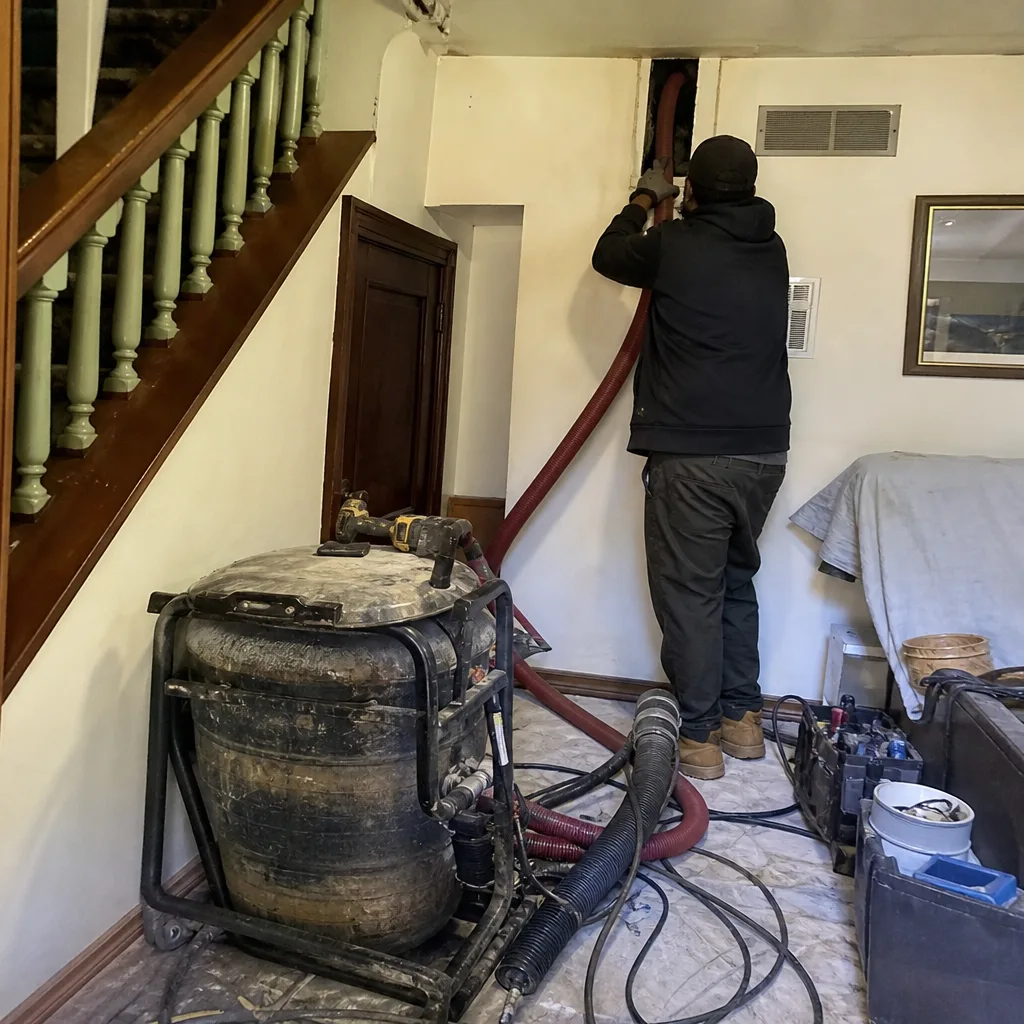 Before
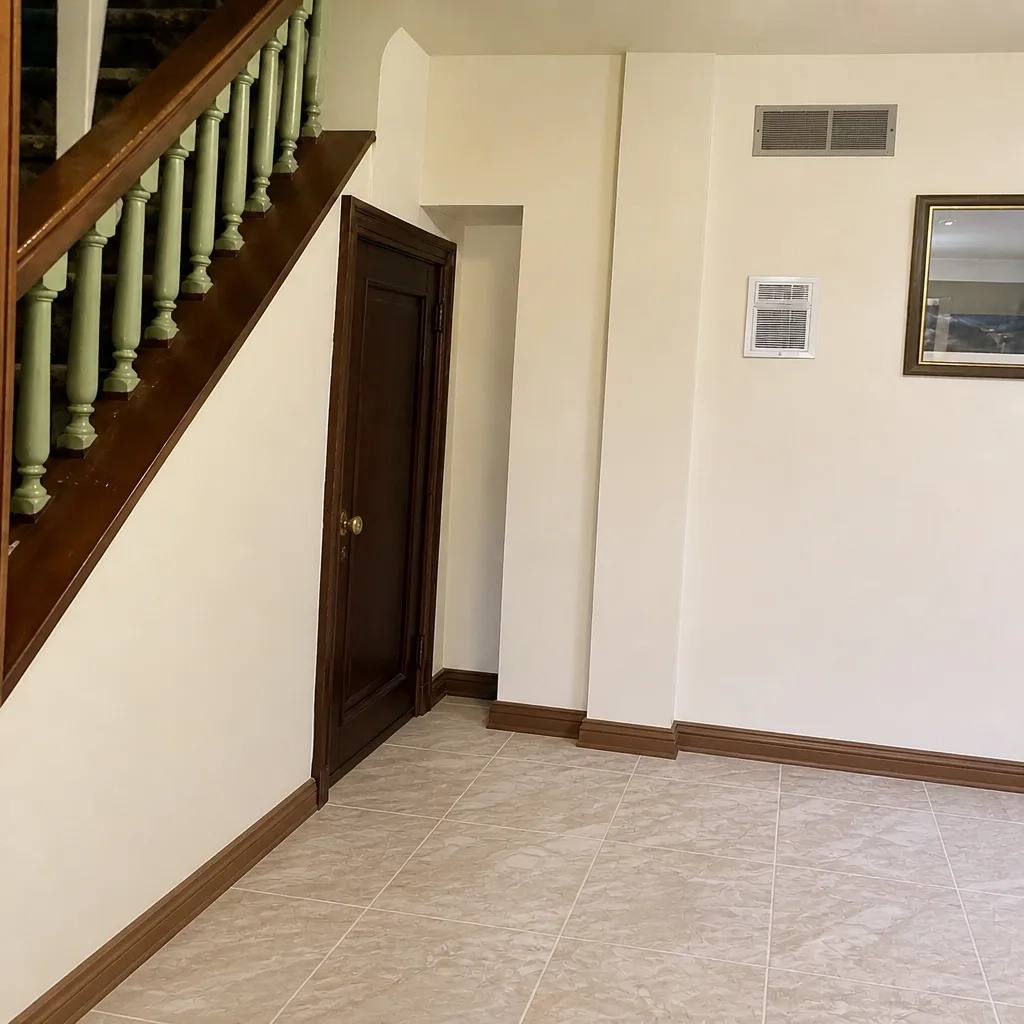 After
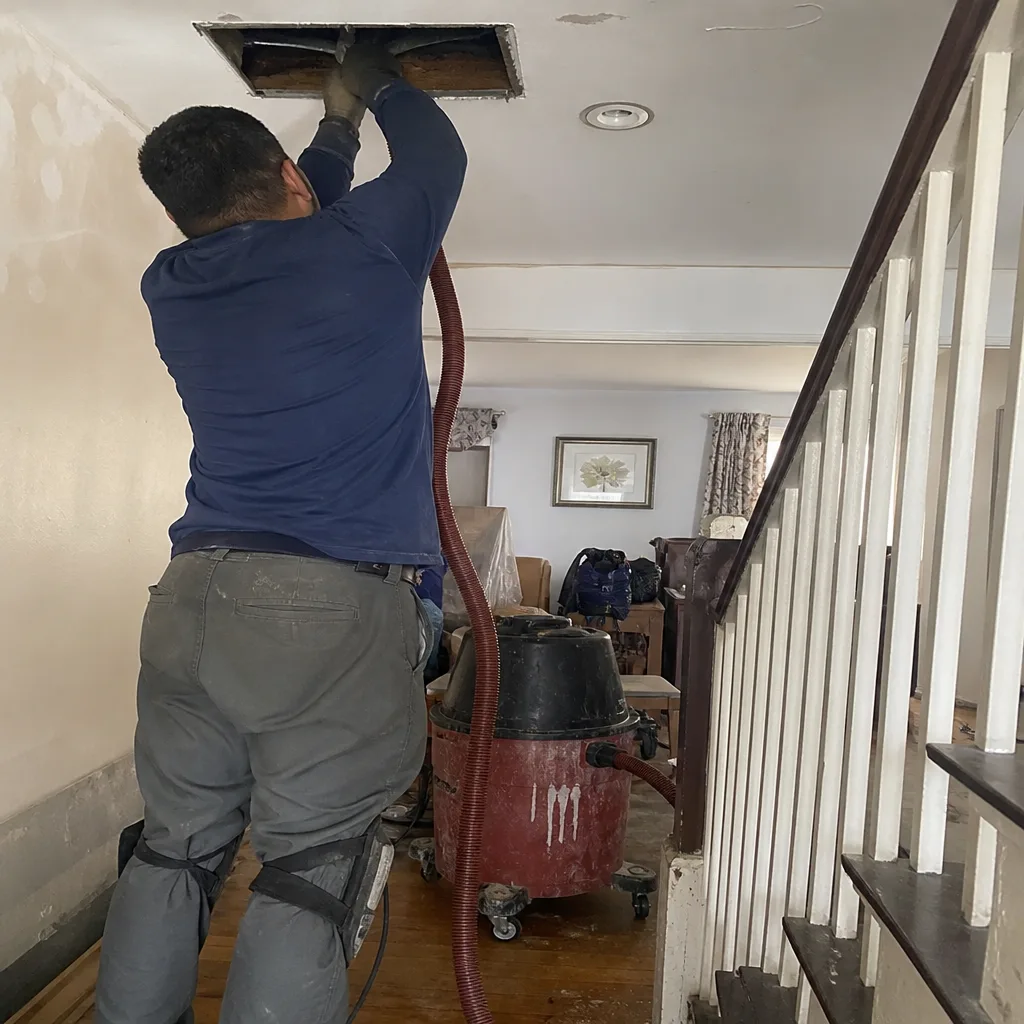 Before
 After
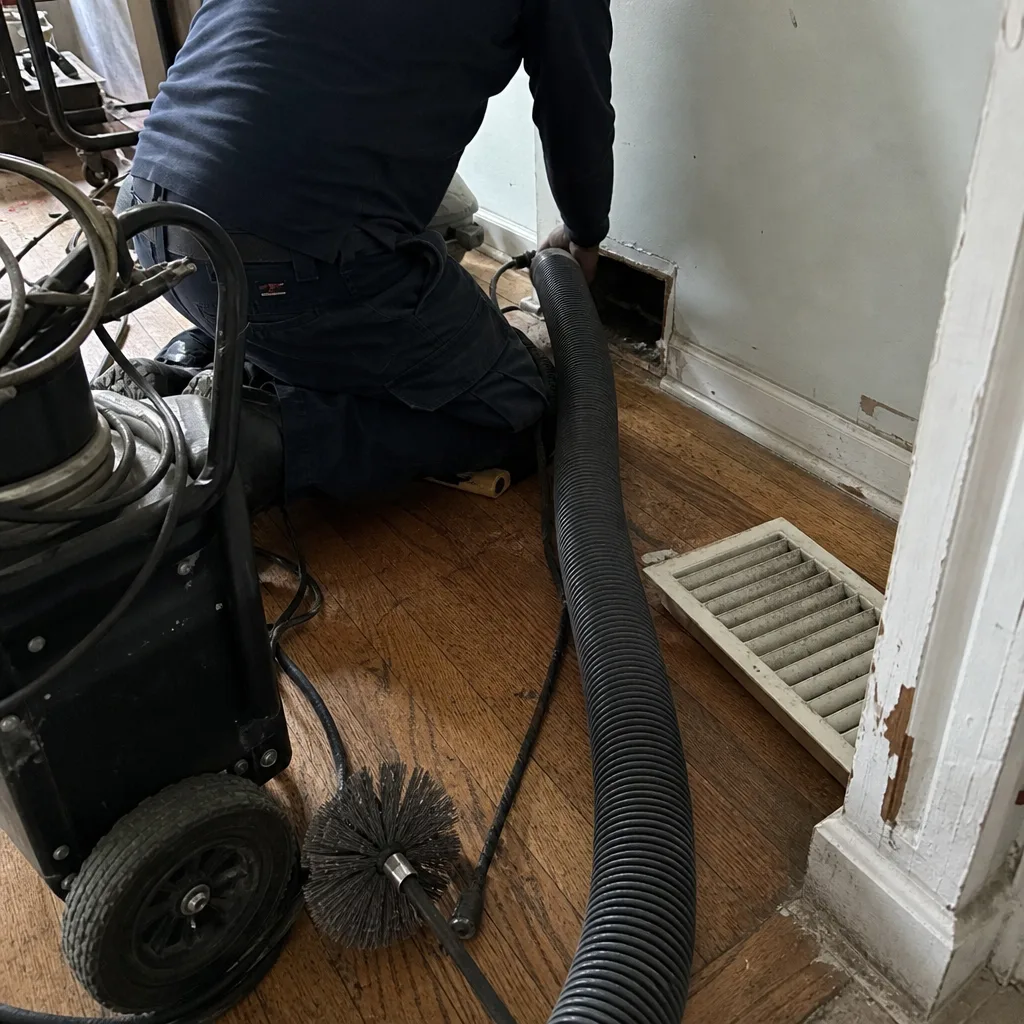 Before
 After