
Last updated November 22, 2026
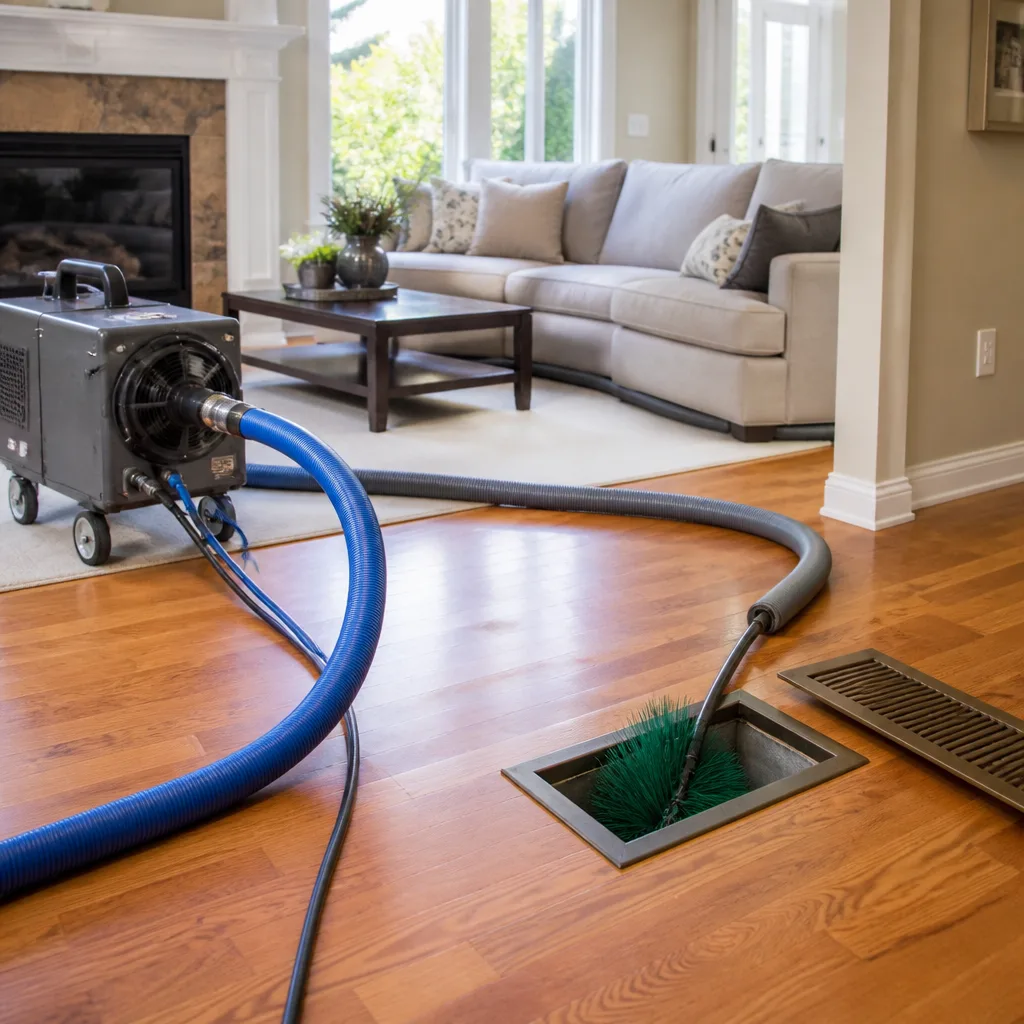 Whole-home duct cleaning
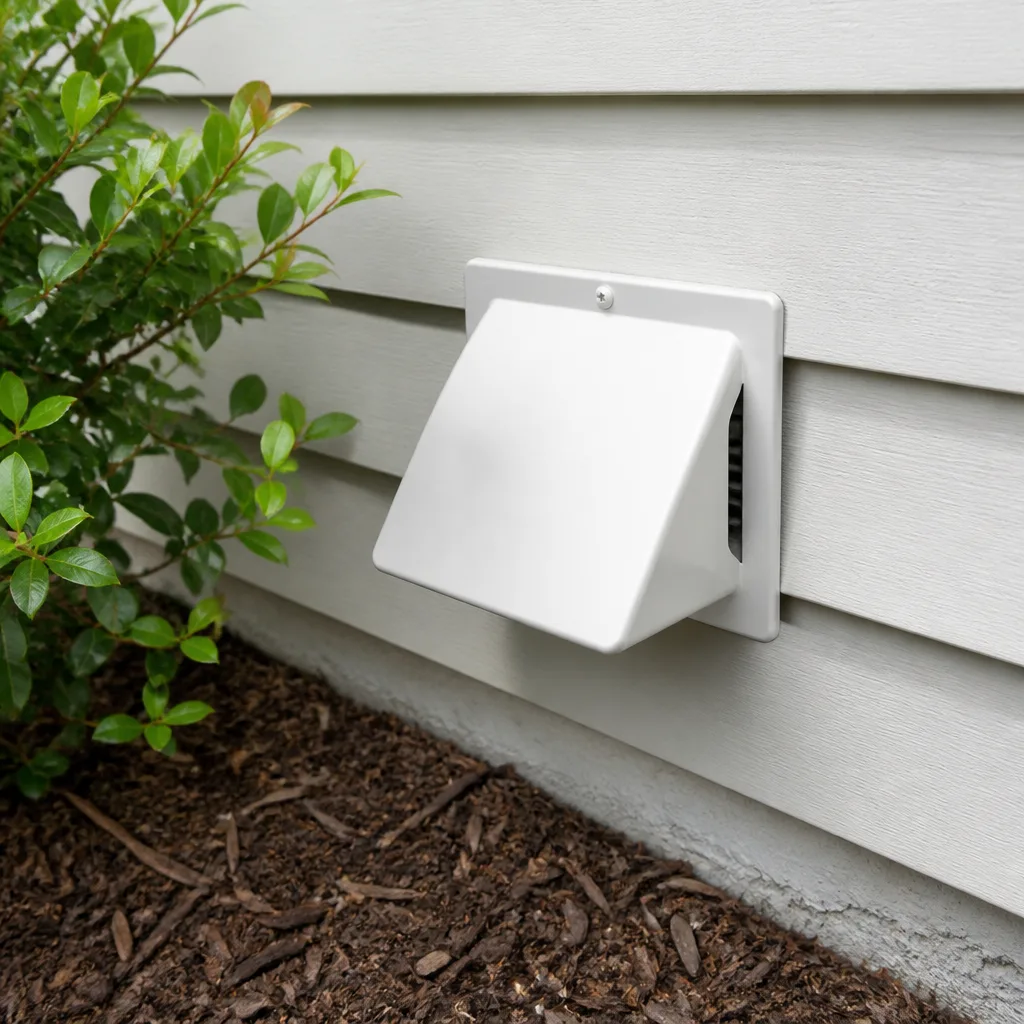 Dryer vent cleaning
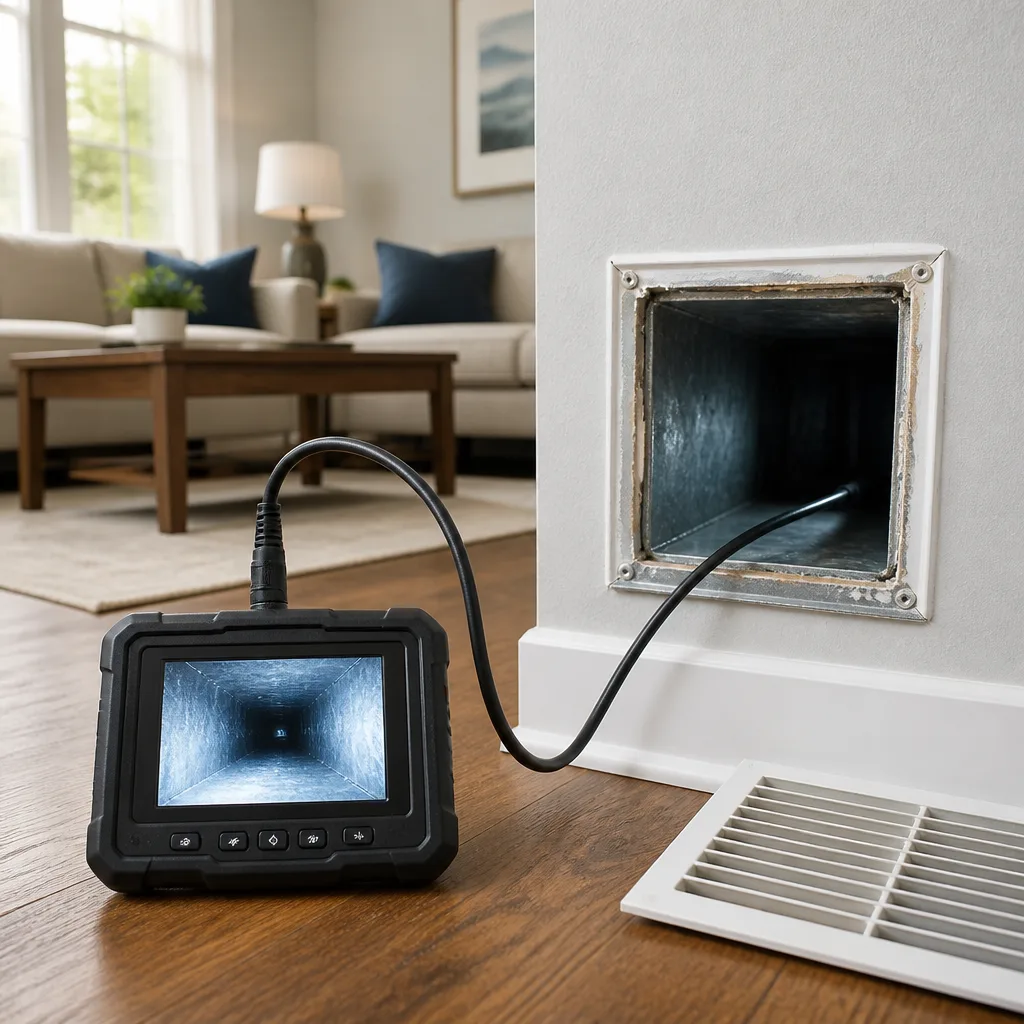 Camera inspection
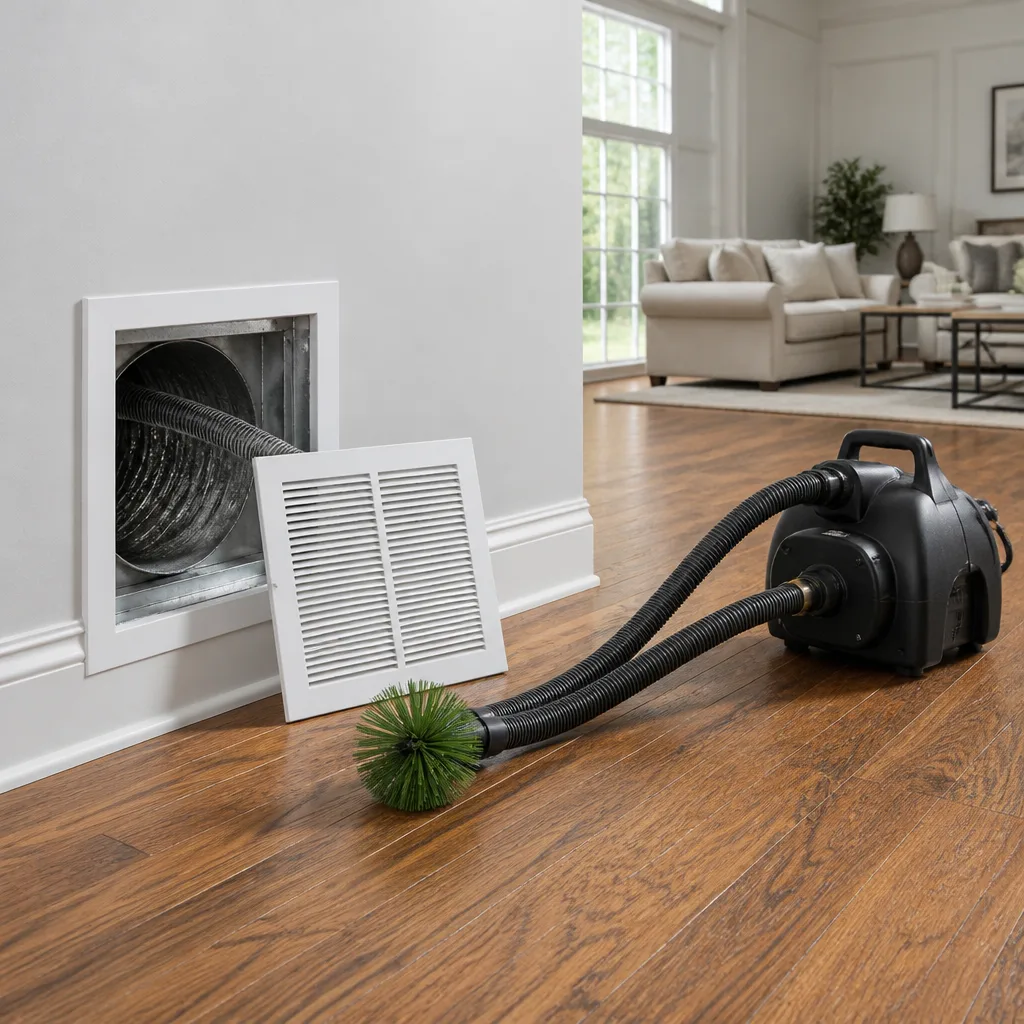 Sanitizing & deodorizing
Whole-system duct and dryer vent check with before-and-after photos - you see exactly what came out of your vents
That "$99 whole-house special" is a bait ad - the real number appears once they are in your hallway, or the "clean" is a shop-vac at the register. We photograph the inside of your ducts before and after instead.
Air Duct Cleaning Maintenance Checklist for East Harlem Homeowners
Changing your filter on schedule feels responsible. But if your duct trunk lines haven’t been inspected in three or more years, that filter is essentially a clean lid on a dirty pot. It tells you nothing about what has accumulated upstream, in the runs behind your walls or above a hard-lidded ceiling in a pre-war walk-up. Most duct maintenance checklists are written for suburban houses with accessible attic runs and a garage full of room. This one is built for East Harlem apartments and townhouses, where access is tight, co-op boards and building management are often in the conversation, and the air your system pulls in carries city particulate around the clock. Below is a month-by-month task list, a guide to reading what your registers are telling you, and clear triggers for when to stop checking and call in professional equipment.
Quick Answer
A realistic air duct maintenance routine for an East Harlem home means checking filters every 1 to 3 months, vacuuming accessible supply and return grilles seasonally, watching for discoloration and musty odor, and booking a professional inspection and cleaning every 3 to 5 years, or sooner after renovation dust, water intrusion, or a visible drop in airflow. Your job is monitoring and filter changes. Deep cleaning of the duct interior and any repair or sealing belongs to a technician with professional-grade equipment, because the contamination sits in the runs you can’t reach with a household vacuum.
Styles & brands we work with
- Whole-home duct cleaning
- Dryer vent cleaning
- Camera inspection
- Sanitizing & deodorizing
Table of Contents
- Why East Harlem Ducts Age Differently
- The Month-by-Month Checklist
- Reading Your Registers: What Discoloration Tells You
- Choosing Filters for an Urban, High-Particulate Environment
- Co-op and Condo Coordination: Shared Systems
- Where Your Checklist Ends and a Pro Inspection Begins
- The Dryer Vent: The Separate Safety Checklist
- Common Mistakes to Avoid
- When to Call a Professional
- Frequently Asked Questions
Why East Harlem Ducts Age Differently
Duct systems in East Harlem live a harder life than the same equipment out in lower-density suburbs. Three things drive it. First, the building stock. A large share of the housing here is older: walk-ups and tenements from the early twentieth century, mid-century co-ops, and newer infill towers, often sitting side by side on the same block. Older buildings were rarely designed with ducted central air in mind, so many systems are retrofits, with shorter runs, tighter clearances, and in some cases flex duct threaded through spaces that were never meant for it. Retrofits are more prone to kinks, sagging, and disconnected joints than systems designed from the start.
Second, the air itself. East Harlem sits under the flight paths and beside heavy arterial traffic, and it’s dense. That means a continuous supply of fine particulate landing on every surface, including the inside of your return grilles. A filter that lasts a full season in a low-density town can load up noticeably faster when the air feeding it carries more suspended dust. That single fact reshapes the whole checklist: your filter cadence and your grille-vacuuming cadence should be tighter here than a generic maintenance calendar suggests.
Third, the way homes are heated and cooled. Steam and hot-water radiators are common, with window units or ductless splits handling cooling for part of the building stock, while others have full ducted central systems, PTAC units, or fan-coil setups. Each configuration ages differently. A ducted system accumulates debris in the runs; a fan-coil or PTAC coil mats with dust on the intake side; radiators kick up settled dust into the air every time the heat comes on. Our technicians have up to 15 years of experience working with this variety, and the single biggest adjustment they make for East Harlem is to treat inspection intervals as shorter than the national average rather than longer.
The Month-by-Month Checklist
Here’s the working calendar we recommend for East Harlem homes. It’s built around the local seasons rather than a generic quarterly reminder, because the risks shift through the year. Two seasonal windows matter most: late winter, when dust that settled during the heating months gets mobilized as systems switch over, and late spring, when rising humidity plus a cool, damp duct interior is exactly the condition mold needs. The checklist below front-loads work around both.
- January, filter check. Peak heating season means constant air movement through a dirty system. Pull the filter, hold it to the light. If you can’t see through it, replace it. For a 1-inch filter in a busy urban home, plan on monthly replacement through the heating months.
- February, register wipe-down. Heat runs almost continuously, and dust settles on grille faces faster. Wipe accessible supply and return grilles with a damp cloth so you can distinguish new buildup from old discoloration when you inspect next.
- March, the switch-over inspection. As the heating season winds down, this is the prime window to inspect duct interiors (or have them inspected). Dust mobilized by months of forced hot air has had time to accumulate, and you want a picture before cooling season pushes it back into the living space. Book professional cleaning if your last service was 3 or more years ago.
- April, coil and fan-coil check. If you have a fan-coil, PTAC, or ducted central system, this is the month to have the coil and blower inspected and cleaned. A dirty evaporator coil upstream of your ducts undercuts every filter change you make downstream.
- May, pre-summer moisture check. Walk the accessible parts of the system and look for condensation, damp insulation, or musty smell at return grilles. East Harlem’s summer humidity is real, and a cool duct with damp organic dust inside is the mold window. Address moisture sources now, before July.
- June, filter change ahead of cooling season. Swap to a clean filter for the air conditioning months. If allergies are the trigger for your interest in duct work, this is the month it pays off.
- July and August, the smell and airflow check. Peak cooling. Note any rooms that feel warmer than they should. Uneven cooling from one register is a classic sign of a leak, a kink, or debris in a run, not a failing air conditioner.
- September, post-summer filter and grille clean. Replace the filter, vacuum grilles, and look again for moisture at returns after the humid months.
- October, heating changeover. Before you start running heat consistently, change the filter and dust the registers. The first heat cycle of the season will blow a month’s worth of settled dust into the air; a clean start reduces that.
- November and December, dryer vent and safety review. This is the half of the checklist most homeowners skip. Inspect the dryer duct for lint buildup, and treat it as a safety item, not a comfort one, which the section below covers in detail.
That’s the calendar. You’ll notice the professional touchpoints cluster in late winter and early spring, which is exactly when air duct cleaning does the most good in East Harlem, because it clears accumulation just as the season turns the system over.
Reading Your Registers: What Discoloration Tells You
Your supply and return grilles are the surface you have full access to, and they’re surprisingly informative. You can’t see inside the duct from the grille, but the pattern of dust and discoloration at the grille edge tells you what’s likely happening upstream. This is the most useful homeowner inspection skill in the whole checklist, and it takes two minutes per register.
Wipe the grille face clean with a damp cloth. Then look closely at the thin dust film that returns over the following days:
- Even, light gray film, easily wiped off. This is normal ambient dust from adult urban air. Clean it seasonally and move on.
- Thick, dark, or brownish buildup concentrated at the grille opening and the inner frame. This suggests debris is being pushed into the grille from inside the run. Fine dust escaping a dirty duct tends to concentrate where the air accelerates through the opening. A pro inspection is worth scheduling.
- Black or grayish-black speckling with a powdery texture. Treat this carefully. Dark powdery buildup can be fine soot, but it can also indicate biological activity. Don’t clean it aggressively and stir it into the air. Note where it appears and book a professional inspection.
- Musty or earthy smell at the register, even after cleaning. Odor that returns within days of cleaning the grille is a reliable sign contamination has taken hold in the duct interior or insulation. This is a trigger condition (see the section below).
- Discolored streaks on the wall or ceiling around a register. That’s a sign of airflow bypassing the grille frame, often from a gap or a disconnected fitting. It means both dust escaping and conditioned air escaping. The duct run needs repair, not just cleaning.
- White chalky residue on metal duct or grille. This can be mineral deposits from condensation or an indication of moisture cycling in the system. Check the area for dampness and have it inspected.
The distinction between surface dust and duct-interior contamination comes down to pattern and persistence. Surface dust is even and returns slowly after cleaning. Contamination is concentrated at the openings, returns quickly, and usually comes with an odor. If you wipe a grille clean today and see a heavy smear of dark debris at the same spot within a week, that’s your answer.
Choosing Filters for an Urban, High-Particulate Environment
Filter selection gets more attention in East Harlem than in most places because the air going into your system is dirtier to start with. MERV is the standard rating: it describes the percentage of particles in a given size range a filter captures. Higher MERV means finer particle capture but also more resistance to airflow. Your goal isn’t the highest MERV filter on the shelf. It’s the highest MERV your specific system can handle without choking the air handler, changed frequently enough to matter.
Practical selection rules for an East Harlem home:
- MERV 8 is the sensible floor. It captures the larger dust and pollen that coat your registers and give ducts their problems, with negligible airflow resistance. For a system with a 1-inch slot and a busy urban intake, MERV 8 changed monthly through the heating season is a solid baseline.
- MERV 11 is a reasonable step up if your system can take it. Good for allergy-sensitive households, especially with finer particulate in the outside air. Only use MERV 11 in a slot deep enough to handle it (2-inch or larger, or a system designed for it).
- MERV 13 almost always needs a system designed for it. A 1-inch MERV 13 filter in a standard slot adds too much static pressure, which can starve your blower, overheat a motor, and actually worsen your air quality by letting leaks in the ductwork pull unfiltered air into the system. Skip it unless a technician confirms your equipment is rated for it.
- Change on schedule, not on appearance. A filter can look gray and be fine, or look white and be clogged with fine material. In a high-particulate East Harlem home, use a date rather than the visual. For 1-inch filters in a busy home, monthly is realistic; for deep 4-inch media cabinets, 6 to 12 months is common.
- Fit matters more than the numbers. A high-MERV filter in a slot with visible gaps is bypassing air. If you can see daylight past the filter edges, air is going around it. That’s a reason to have the cabinet inspected, not just to buy a tighter filter.
None of this substitutes for an upstream cleaning. A filter that’s too choked to breathe is a filter that’s protecting the wrong thing: it’s catching contamination at the last possible moment rather than the dirt being cleared from the system. That’s why we’d rather see you change cheap filters monthly than overspend on one fancy one and skip the duct servicing. It’s also why we carry Aprilaire and Honeywell filter media and cabinets: if your filter slot is substandard, the fix is a better cabinet, and we can handle that in the same visit as a cleaning.
Co-op and Condo Coordination: Shared Systems
This is the part of the checklist that simply doesn’t apply to a detached house, and it’s the one East Harlem apartment owners most often skip. In a co-op or condo, your ductwork may not be entirely yours. It can share a return path, a rooftop air handler, a common riser, or a building-wide fresh-air system with your neighbors. Dust, odors, and contamination travel in both directions on shared infrastructure, which changes both what you check and who you have to talk to.
A practical coordination checklist for shared buildings:
- Identify what’s in-unit and what’s common. Pull your building’s alterations agreement or ask management which ducts are inside your unit’s boundary and which are part of the building system. You want to know before you hire anyone what’s your responsibility and what the building handles.
- Check the building’s maintenance calendar. Many co-ops and condos schedule the common-system HVAC cleaning on a cycle. Find out the last time the building-wide system was serviced and when the next one is due. If your air quality is poor and the common system is years overdue, the problem may be upstream of your unit entirely.
- Note the board or management requirements before booking work. Many buildings require notice, access schedules, or approval of contractors who’ll enter common areas or work with the building system. Confirm what your building needs before scheduling, so the work doesn’t get stopped mid-job.
- Get upper-floor access confirmed. Some duct runs, especially in older walk-ups, are only reachable through a neighbor’s ceiling hatch or from a common corridor. Coordinate that access first. This is the single most common reason a cleaning appointment gets delayed in East Harlem.
- Handle shared-return odors carefully. If a musty smell appears only when your neighbor’s system runs, the source may be in a shared return. Document when it happens. That information changes what your technician looks at.
- Keep records for the board and for sale. In a co-op, records of duct cleaning and HVAC service are useful when you sell or sublet. Date and note each service you book.
One advantage of working a building-wide scope with a specialist is that our equipment can handle common-air paths alongside unit-level work. We use Rotobrush and Nikro platforms, the same equipment class remediation contractors use, plus Abatement Technologies equipment when a job involves contamination or post-renovation debris. In a shared building, that scale matters: a shop-vac-and-handyman approach can’t clean across units, and a unit-by-unit cleaning with no plan for the common return rarely holds.
Where Your Checklist Ends and a Pro Inspection Begins
You can handle filters, grilles, and a visual once-over, and you should. But there’s a line in duct work, and crossing it with a household vacuum is where things go wrong. The interior of a duct run is where the contamination accumulates, and it’s inaccessible without tools that put real negative pressure on the system and physically agitate the duct walls. That’s the difference between professional-grade equipment and a shop-vac: a shop-vac pulls air from the room you can see. A Rotobrush or Nikro system pulls debris out of the run you can’t.
Use this as your line between homeowner and professional:
- Your checklist covers: filter changes, grille face cleaning, visual inspection of accessible registers, noting odor and airflow changes, and the dryer vent lint check.
- A pro inspection begins with these triggers: odor that returns after cleaning; dark or powdery buildup at more than one register; any visible debris or sagging in an accessible section of duct; a measurable drop in airflow or uneven cooling; recent water intrusion or a musty smell after damp weather; renovation dust from a recent gut job; or simply three or more years since the last professional cleaning.
- A pro job covers: full interior cleaning of the duct runs, the coil and air handler if it’s part of the system, repair and sealing of leaks or disconnected joints found during cleaning, and sanitizing where contamination or moisture warrants it.
Catching leaks during cleaning is worth understanding, because it’s where cleaning and repair converge. A duct system that leaks is both a comfort problem and an air quality problem: conditioned air escapes into the walls and attic, and contaminated air from an unconditioned space gets sucked back in. The fix belongs in the same job. That’s why we treat HVAC cleaning, repair, and sealing as a single service rather than separate vendors. Our full arc is clean ducts, sealed ducts, healthy air, and it can happen in one visit rather than three.
The Dryer Vent: The Separate Safety Checklist
Everything above is about comfort and air quality. The dryer vent is different. This one is a safety checklist, and it’s the single item on your maintenance calendar where skipping the check has a documented fire consequence. The National Fire Protection Association identifies lint-clogged dryer vents and related failure as a leading cause of residential dryer fires. A dryer vent left uncleaned is a fire risk, not just an inefficiency.
Because the duct behind a dryer is short and inaccessible, and because it fills with a material designed to be flammable, treat it as you would a smoke alarm battery check. Then book a professional cleaning on a schedule. In a busy East Harlem household where laundry runs several days a week, the lint buildup is faster than you’d think. dryer vent cleaning belongs on the calendar alongside the HVAC cleaning, and it’s a service most duct-only specialists skip entirely. If you own or manage a rental unit, it belongs in the building’s annual safety routine, not just the tenant’s.
Practical points for the checklist:
- Clean the lint screen before every load, and don’t skip it because the load is small.
- Note drying time. A dryer that suddenly takes longer than it used to, on the same loads and settings, is telling you the vent is restricted.
- Watch for the dryer feeling hot on the cabinet or a laundry room that smells hot. Both can mean restricted exhaust, and the dryer should be taken out of service until the vent is checked.
- Check the outside vent flap for lint and for proper flapping when the dryer runs. Lint accumulating outside is a sign the interior path is filling up.
- Look for flexible vinyl or foil corrugated duct behind the dryer. Where local code allows it at all, its ridges catch lint and it should be inspected and likely replaced, which a professional can handle.
- Include the vent in your building-wide safety calendar if you’re a property manager. It affects every unit with a dryer.
Common Mistakes to Avoid
- Assuming the filter is the whole defense. A monthly filter change feels like maintenance, but it does nothing for the debris already inside the runs. If the system hasn’t been professionally cleaned in 3 or more years, the filter is the last line, not the first.
- Oversizing the MERV rating. Putting a MERV 13 filter in a 1-inch slot in an older East Harlem apartment can choke the blower, overheat the motor, and push unfiltered air in through leaks. Match the filter to the equipment, not to the shelf.
- Mistaking a cool room for a failing air conditioner. Uneven cooling in one room is more often a duct problem: a leak, a kink, or a disconnected joint. Replacing the equipment without checking the ductwork is a common and expensive misfire.
- Cleaning grilles once and calling it done. Wipe, then watch. The pattern that returns within a week is the real information. A one-time wipe tells you nothing about what’s upstream.
- Skipping the building conversation in a co-op or condo. Booking a cleaning without confirming upper-floor access or common-system responsibility is why appointments stall mid-job. Check with management first.
- Treating the dryer vent as an efficiency item. It’s a fire-safety item. Lint that fills the vent is fuel, and the NFPA is explicit that this is a leading cause of residential dryer fires. Book the cleaning and don’t rely on the screen alone.
- Hiring a shop-vac-and-coupon operation. A generalist with consumer tools pulls surface dust into a bucket and calls it cleaning. The run interior is what matters, and that takes professional equipment.
When to Call a Professional
Call us when any of these are true: you smell musty or stale air at a register and it comes back after cleaning; you see dark, powdery, or concentrated buildup at more than one grille; airflow is visibly weaker or a room doesn’t cool like it used to; there’s been recent water intrusion, damp weather with a musty follow-up, or a renovation that filled the air with dust; or your last professional cleaning was 3 or more years ago. Also call if you manage a building and the common system has slipped its service cycle, or if your dryer vent has never been professionally cleaned. Air Duct Cleaning East Harlem offers free estimates in East Harlem and can work with your insurer where relevant. The written estimate sets the final price per job, and the estimate itself costs nothing.
Call (833) 508-9257. We answer 24/7. Fast dispatch from 7am to 7pm, Sunday through Friday.
Frequently Asked Questions
Every 3 to 5 years for most East Harlem homes, with the shorter end of that range if you have pets, allergies, a recent renovation, or a co-op with a shared return system. The urban air and older building stock here push you toward the shorter cycle rather than the longer one. The written estimate always reflects the actual condition of your system, not a set schedule.
No, a shop vacuum is the wrong tool for duct interiors. It pulls surface dust from the grille you can see, but does nothing for what’s accumulated inside the run. Cleaning the duct interior requires professional equipment that agitates the duct walls while pulling debris out, which is why we use Rotobrush and Nikro platforms. Stick to filters and grille faces yourself and leave the interiors to a professional.
Surface dust is even, light gray, and returns slowly after you wipe the grille. A real duct problem is concentrated dark or powdery buildup at the register opening, quick to return, and often comes with an odor. If you clean a grille and see a heavy dark smear at the same spot within a week, that’s duct interior contamination and worth an inspection.
Confirm three things before booking: what’s inside your unit boundary versus the building system, whether the building needs notice or contractor approval, and whether the technician can get upper-floor access through a common area or neighbor’s unit. Shared systems also mean the common return may need service too. Our team can scope both unit-level and common-path work in the same visit.
It’s a safety service. The NFPA identifies clogged dryer vents as a leading cause of residential dryer fires, so a vent that’s never been professionally cleaned is a real risk, not just a slow dryer. It’s especially important in a household that runs laundry several days a week, and for property managers who are responsible for every unit with a dryer.
We book a no-cost estimate in East Harlem, inspect the system and the access points, and give you a written price per job before any work starts. Free estimates, and one flat price agreed before work begins. Call (833) 508-9257. We answer 24/7. Fast dispatch from 7am to 7pm, Sunday through Friday.
The Bottom Line
Air duct maintenance in East Harlem comes down to two jobs: the monitoring you can do yourself, and the deep cleaning a professional should do on a cycle. Change your filter monthly through the heating season. Wipe your grilles and watch what returns, because the pattern is your best information. Keep the late-winter and pre-summer windows clear for an inspection. Coordinate with your building if your system is shared. And treat the dryer vent as a safety item, not an afterthought. If it’s been 3 or more years since the last professional cleaning, or you’re seeing any of the trigger conditions here, book a free estimate and let professional-grade equipment do the work a household vacuum can’t.
For professional air duct and HVAC cleaning across East Harlem, call Air Duct Cleaning East Harlem at (833) 508-9257. Our technicians have up to 15 years of experience, we use Rotobrush, Nikro, and Abatement Technologies equipment, and we work with Aprilaire and Honeywell air quality systems. Free estimates, a written flat price per job, and the full arc in one visit: clean ducts, sealed ducts, healthy air. Start by visiting Air Duct Cleaning East Harlem to see the full service menu.
Written by the team at Air Duct Cleaning East Harlem.
See the difference
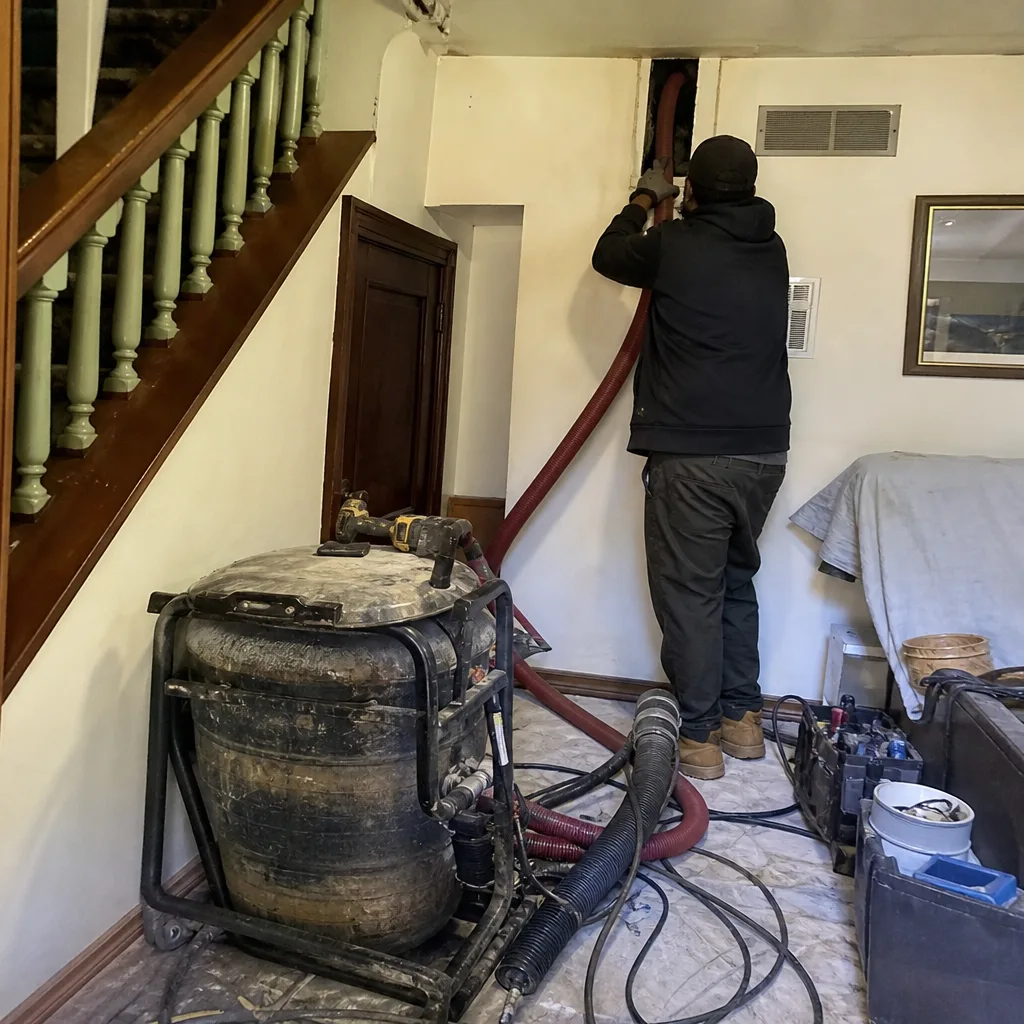 Before
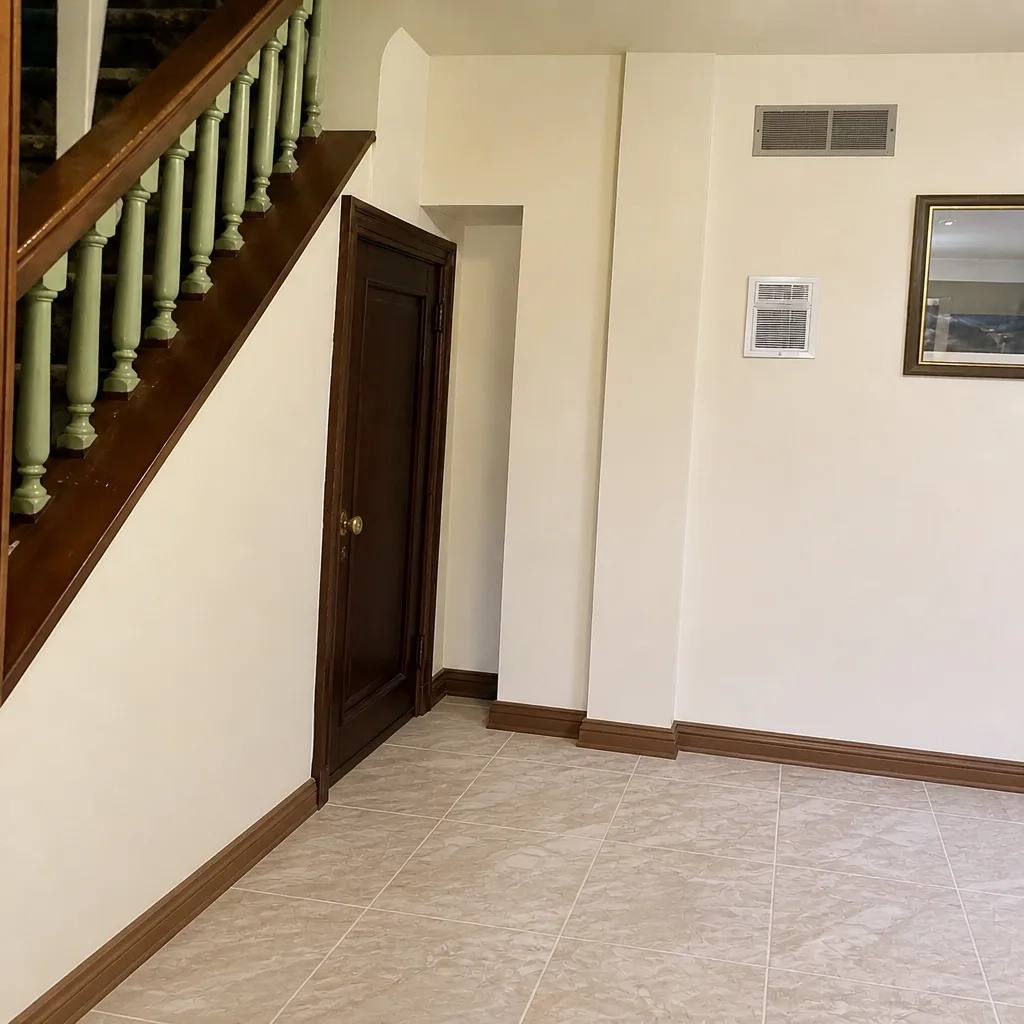 After
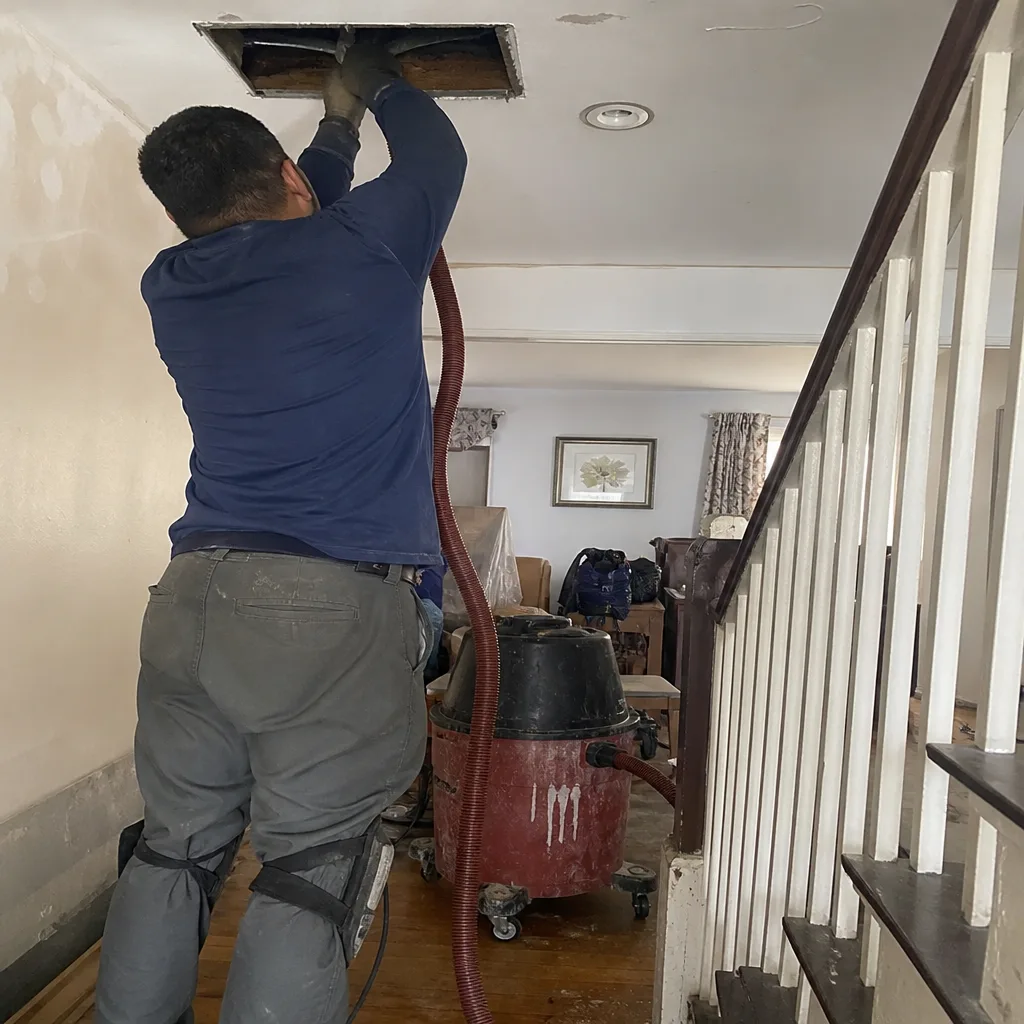 Before
 After
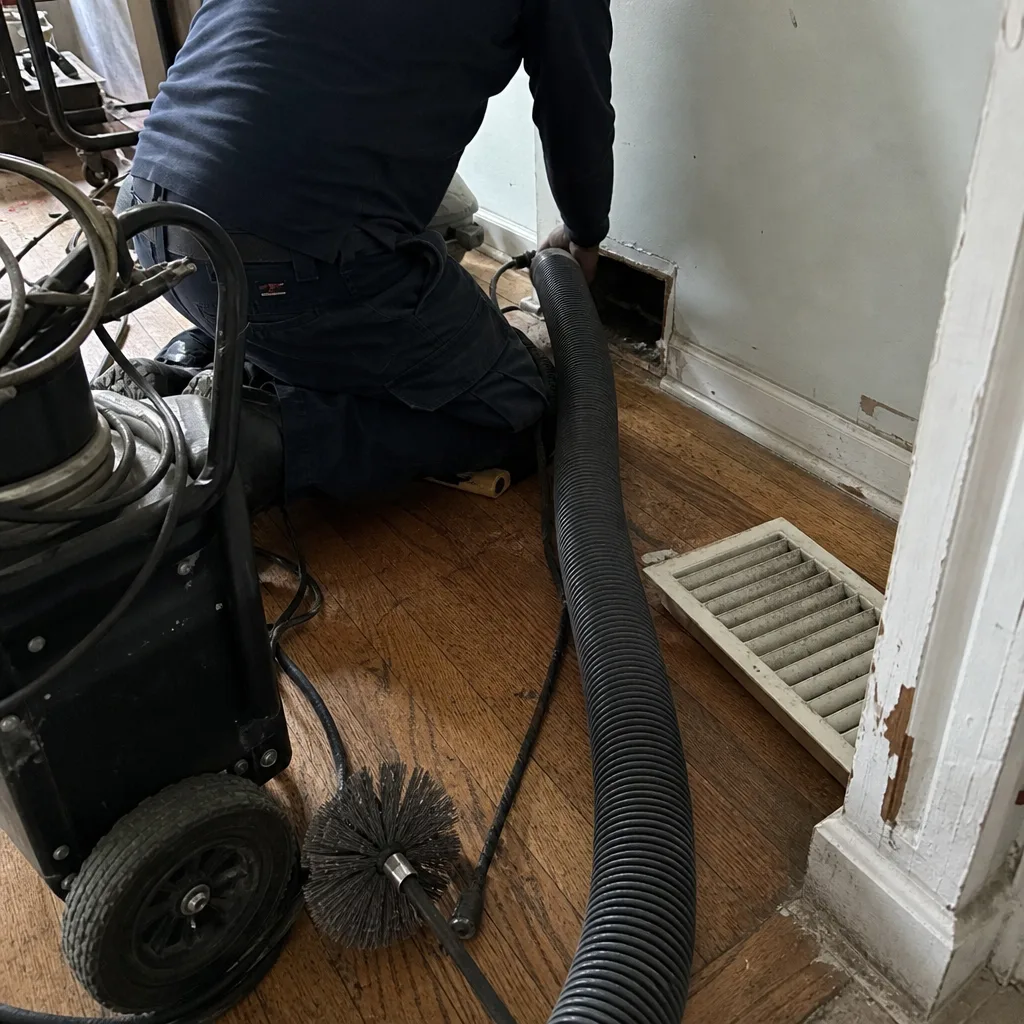 Before
 After