
Last updated November 22, 2026
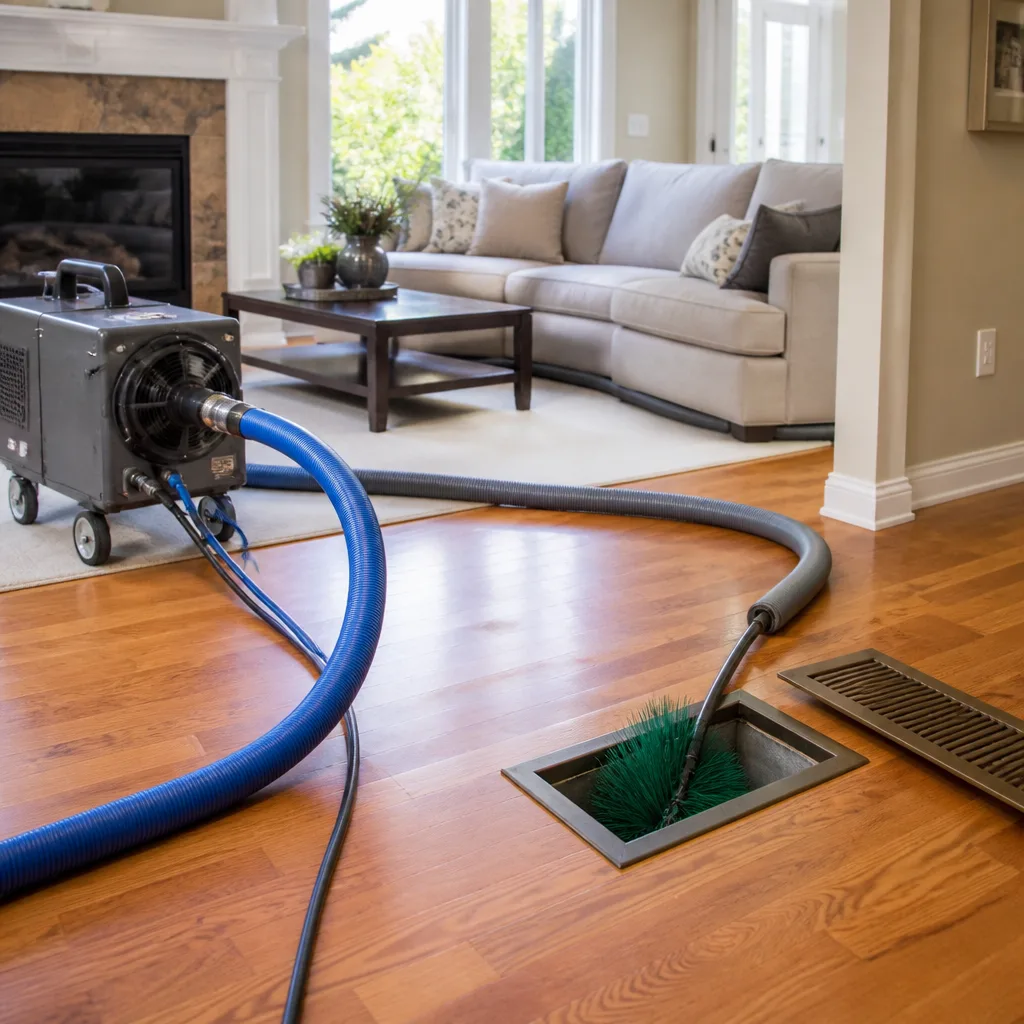 Whole-home duct cleaning
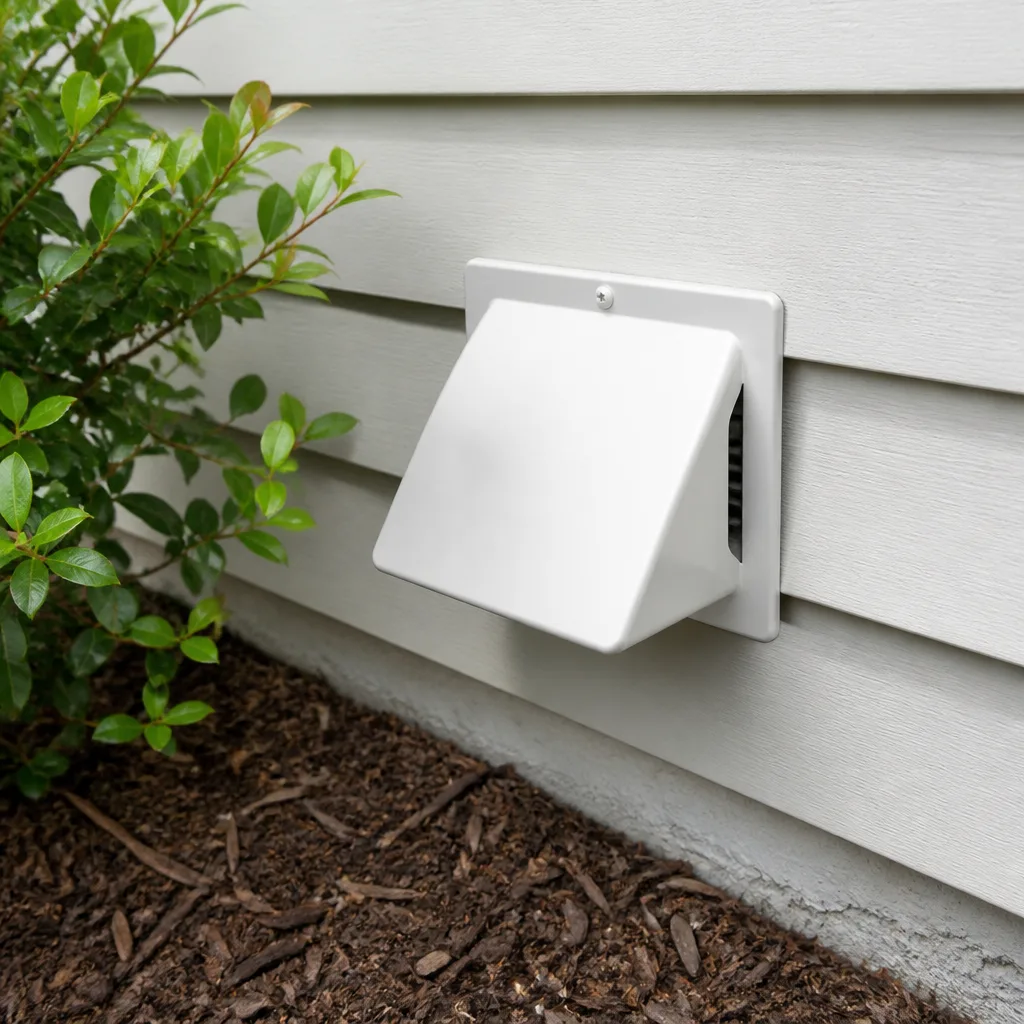 Dryer vent cleaning
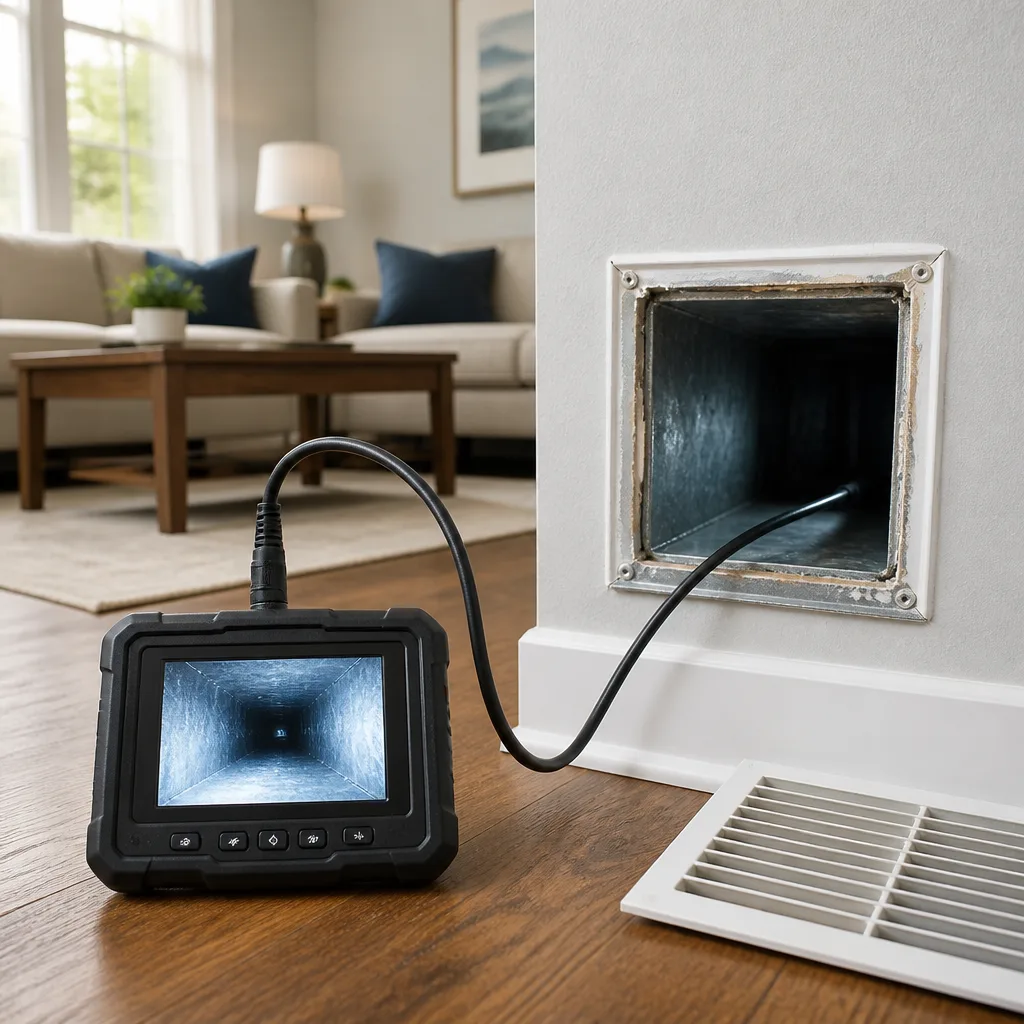 Camera inspection
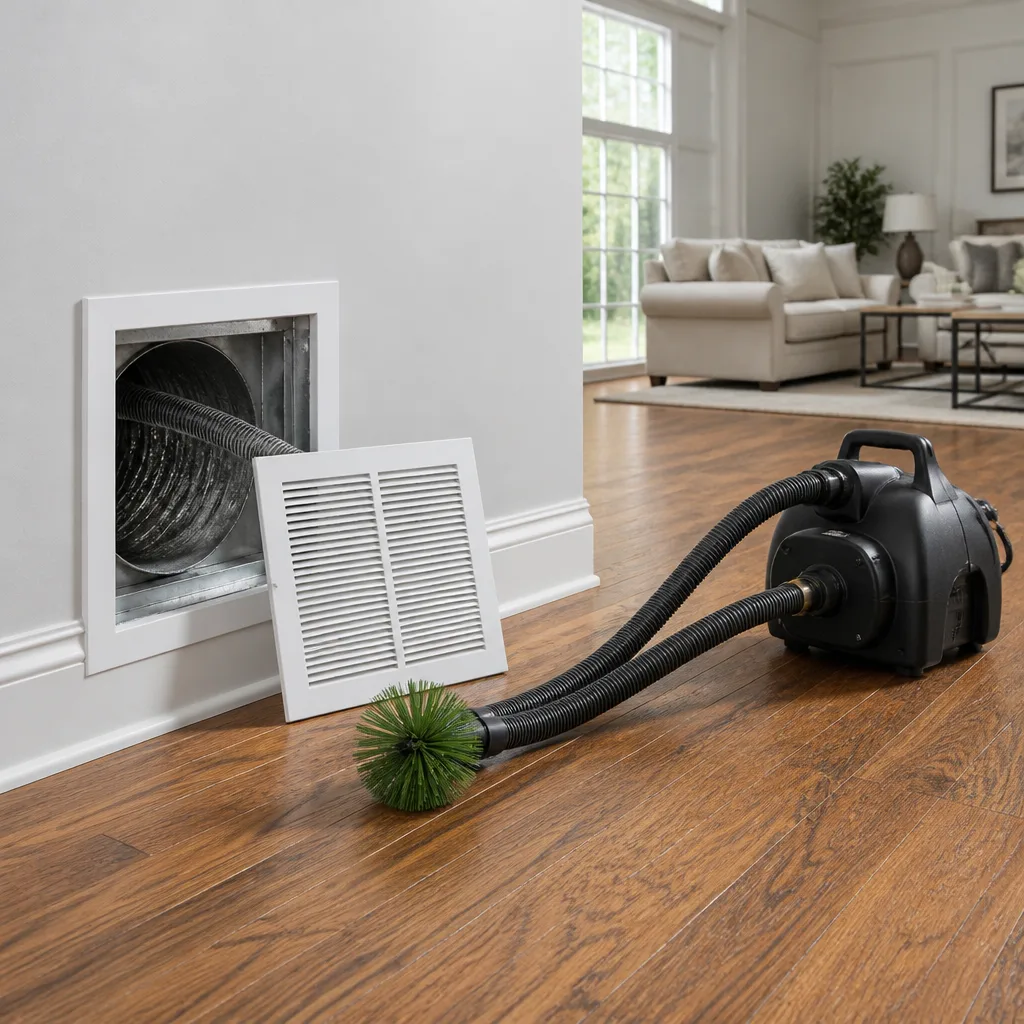 Sanitizing & deodorizing
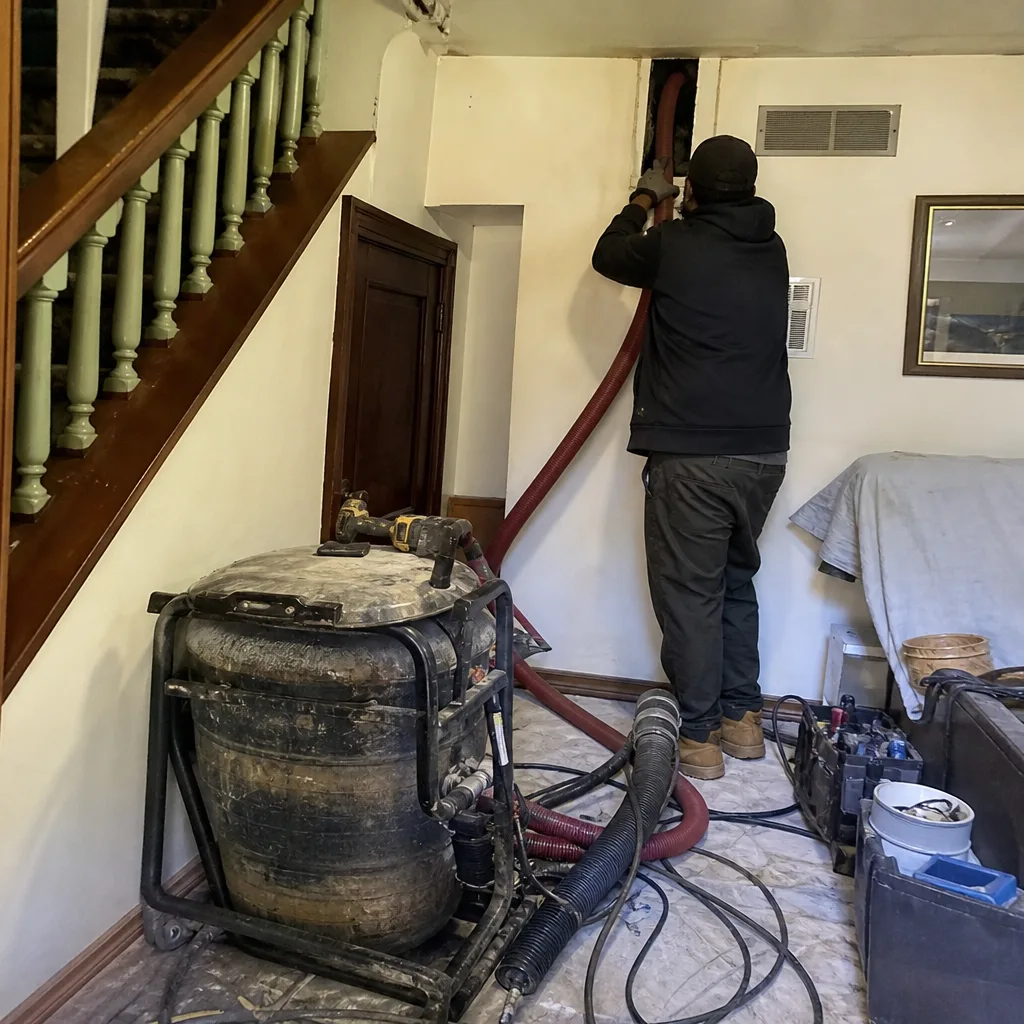
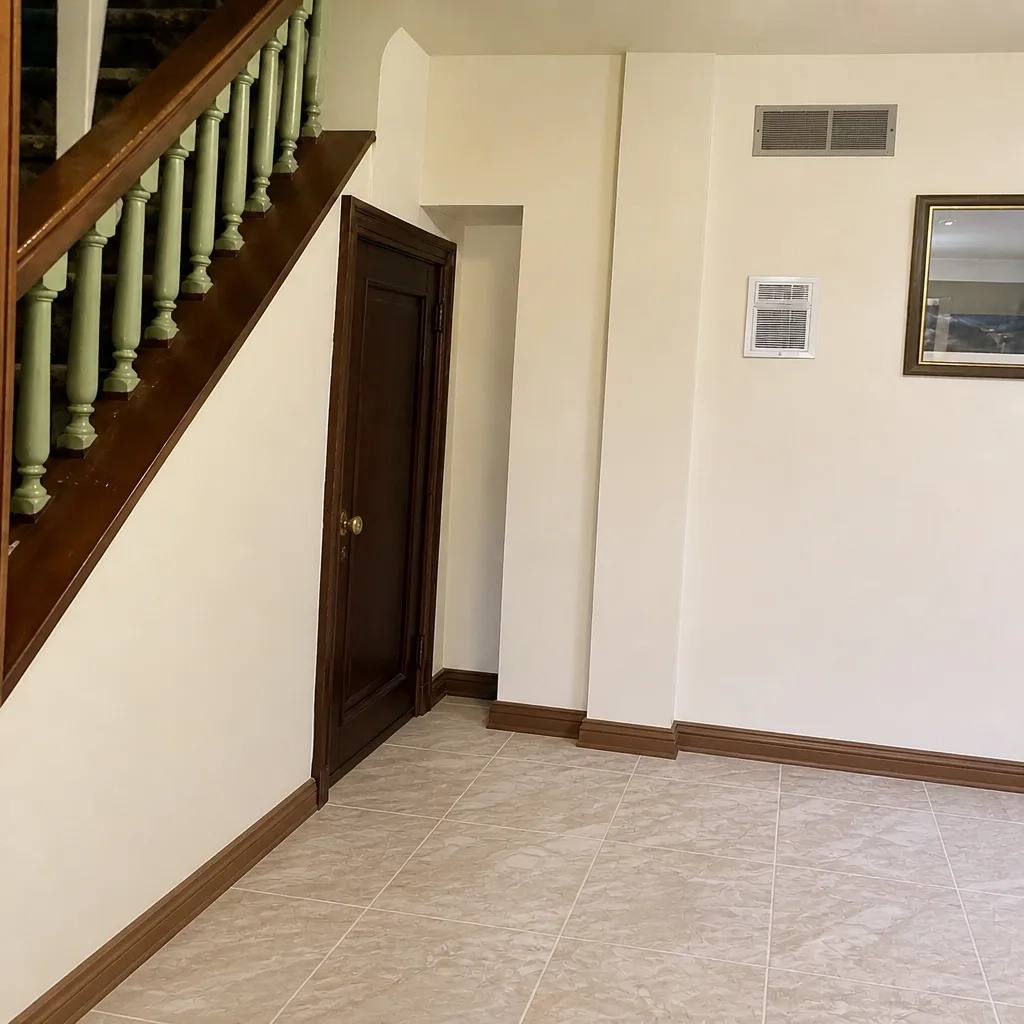
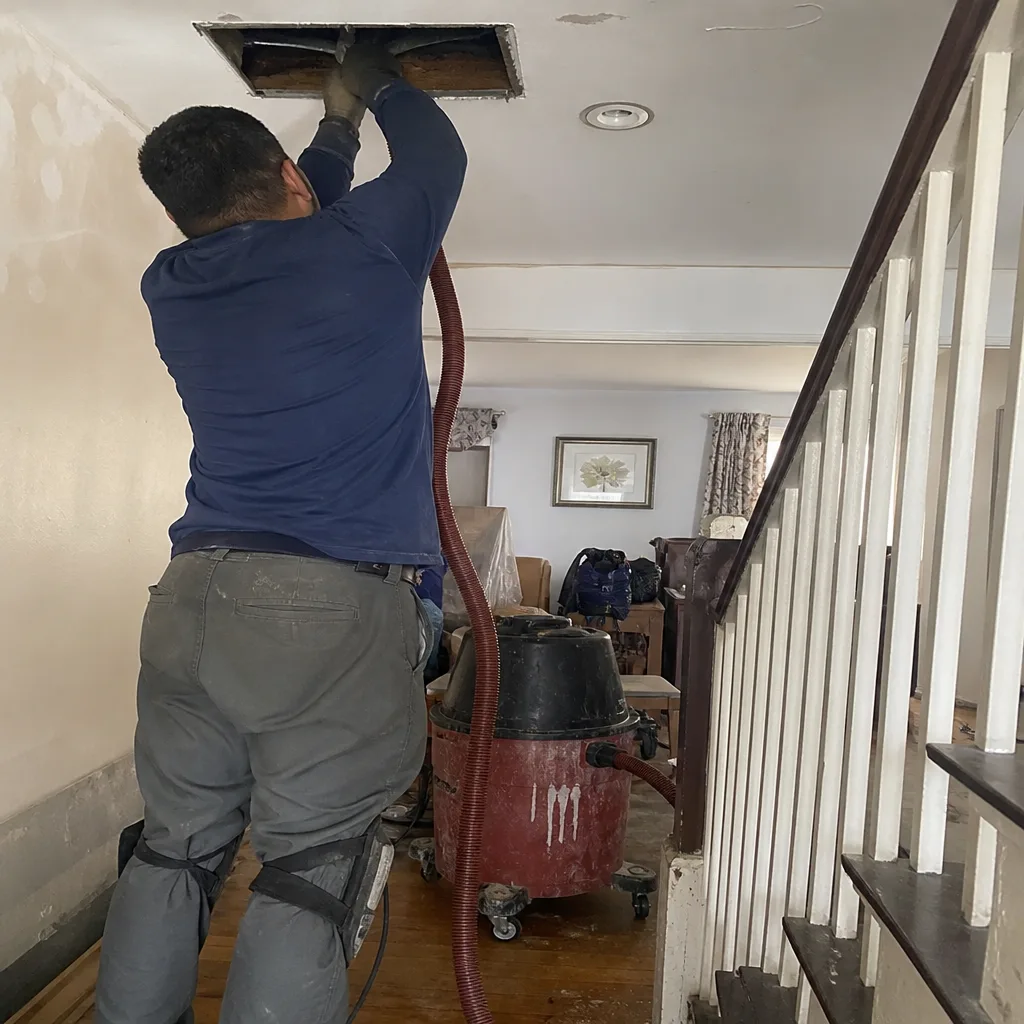
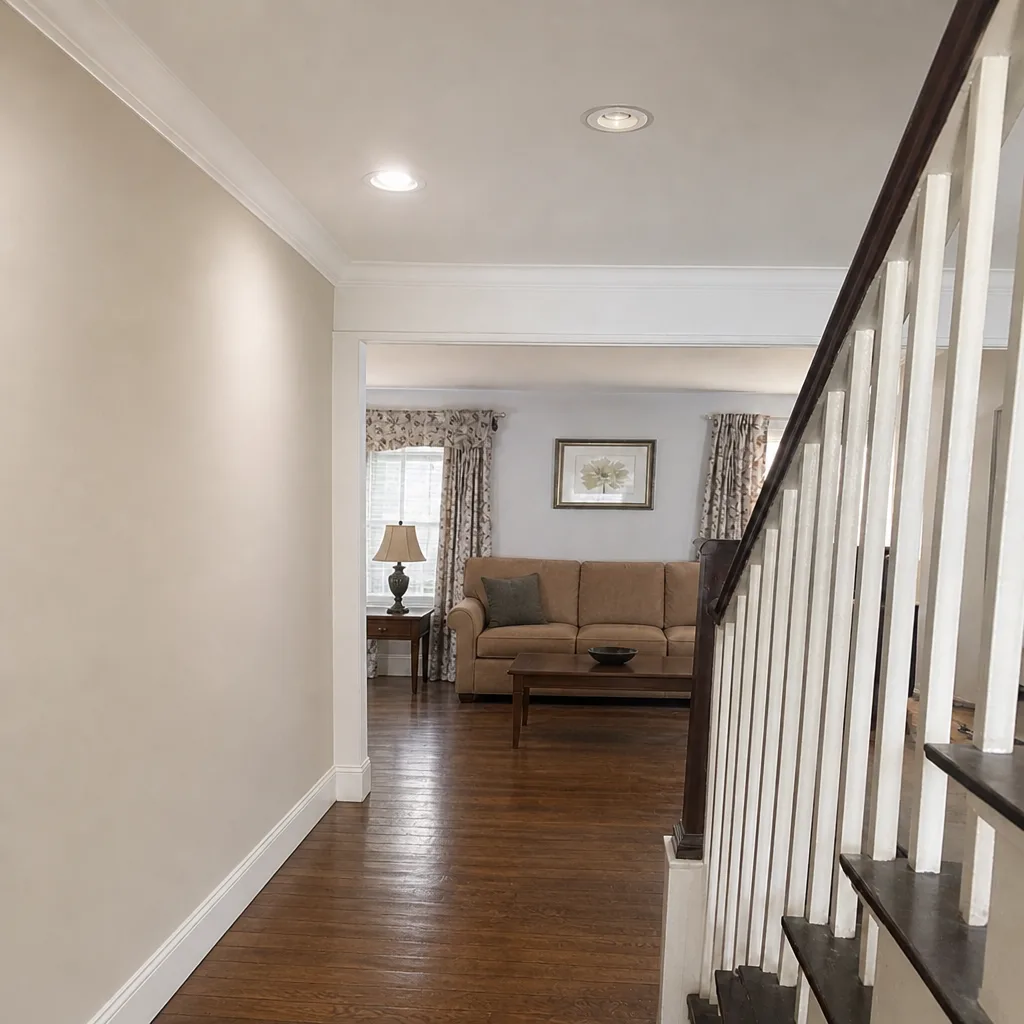
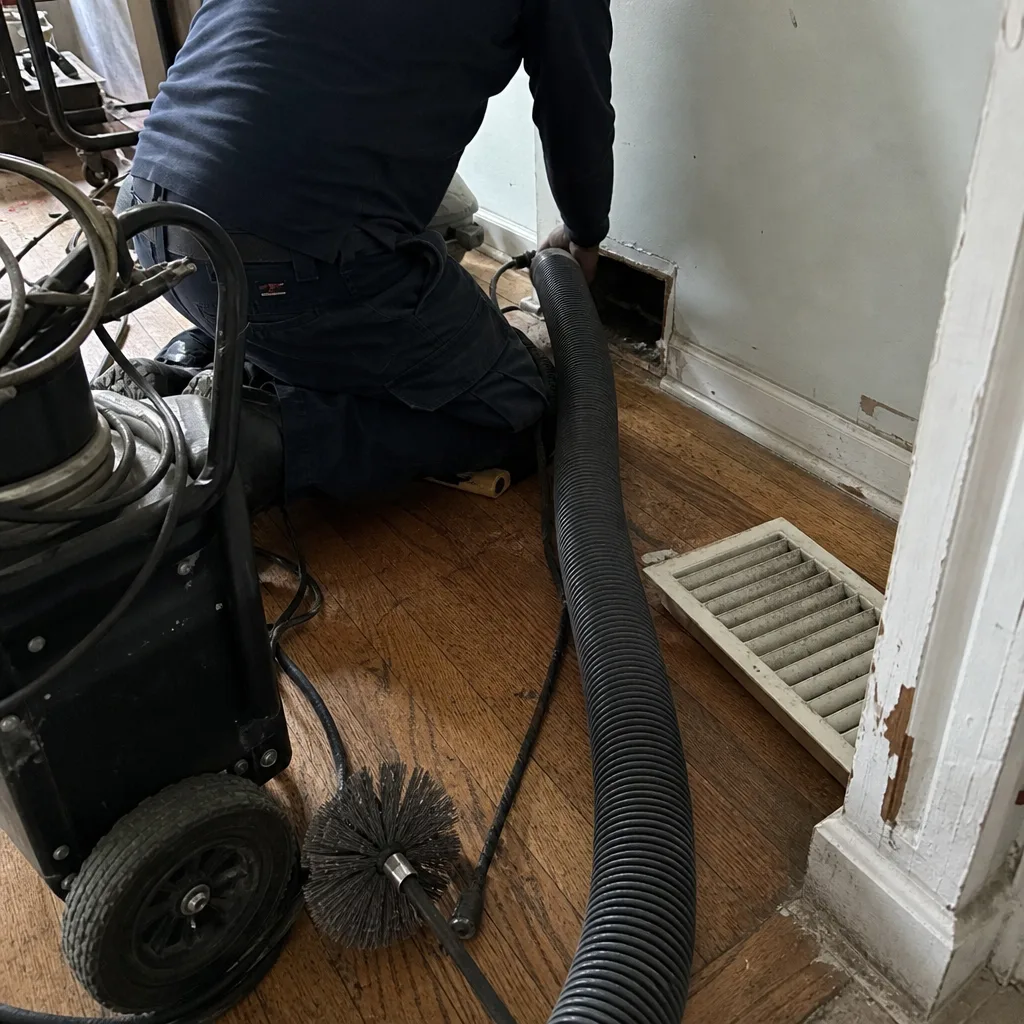
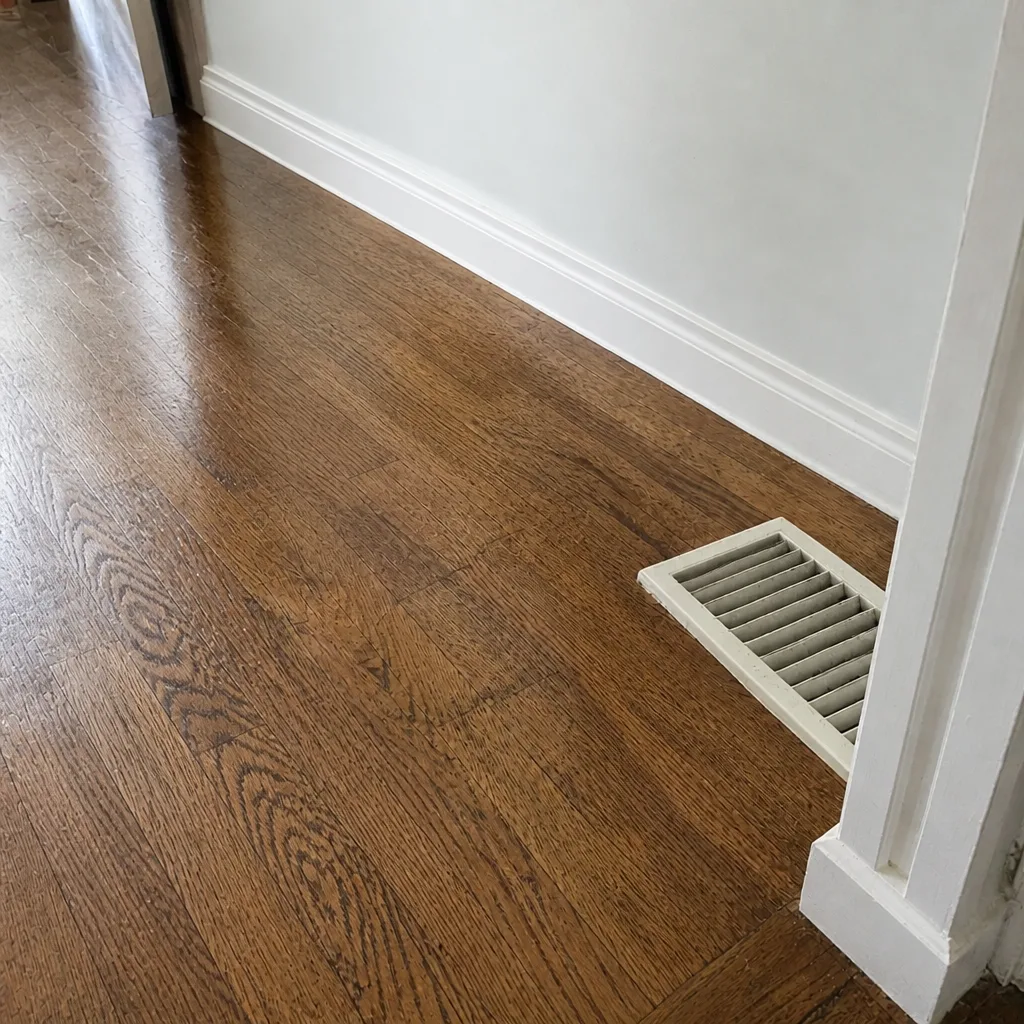
Whole-system duct and dryer vent check with before-and-after photos - you see exactly what came out of your vents
That "$99 whole-house special" is a bait ad - the real number appears once they are in your hallway, or the "clean" is a shop-vac at the register. We photograph the inside of your ducts before and after instead.
Air Duct Cleaning Cost Breakdown: The East Harlem Homeowner’s Reference for 2026
Two quotes for the same East Harlem apartment can land three hundred dollars apart and both be honest. That’s the part most homeowners don’t expect. The gap usually isn’t greed on one side and generosity on the other. It’s equipment capability, scope definition, and how much of the work the operator is actually planning to do once the vacuum starts running. A light portable unit and a professional negative-pressure system are not the same tool doing the same job at different prices. We wrote this reference because we’ve watched too many East Harlem homeowners compare numbers without knowing what sits behind them. By the end you’ll know how to read a duct cleaning quote line by line, which add-ons are real and which are padding, and what 2026 pricing looks like for a townhouse, a walk-up, and a condo unit in this neighborhood.
Quick Answer
Air duct cleaning in East Harlem typically runs about $450 to $900 for a single-family townhouse, $350 to $650 for a 2-4 unit walk-up, and $300 to $550 for an individual condo unit in 2026, with the written estimate setting the final price. Whole-system pricing that reflects actual labor and equipment time is more reliable than per-vent pricing, which rewards operators for counting vents rather than cleaning them. Add dryer vent cleaning, coil cleaning, or sanitizing treatment only when a genuine condition calls for it.
Styles & brands we work with
- Whole-home duct cleaning
- Dryer vent cleaning
- Camera inspection
- Sanitizing & deodorizing
Table of Contents
- Per-Vent vs. Whole-System Pricing: Which Is Honest?
- 2026 East Harlem Market Rates by Property Type
- What Equipment Capability Actually Costs
- East Harlem Building Types and What They Add to the Bill
- Add-On Services: Real Recommendations vs. Upsells
- How to Benchmark a Quote Before You Sign
- Post-Job Documentation: What You Should Receive
- Common Mistakes to Avoid
Per-Vent vs. Whole-System Pricing: Which Is Honest?
Whole-system pricing is more honest for most East Harlem homes because it prices the actual labor and equipment time the job requires, not a count of openings. When an operator quotes per vent, the incentive runs the wrong way: fewer vents means a lower total, so the operator is quietly motivated to count less, clean shallower, or both. A whole-system quote says “this is the job, here is the flat price to do the job completely,” and the number stays put once you agree to it.
Here’s what each model encourages:
- Per-vent pricing ties the total to a headcount of registers. It can look cheap until you realize long trunk runs, risers, and return-side ductwork aren’t counted at all. It also makes a small apartment look cheaper than it is, because the hard part of a compact system is often the tight access, not the vent count.
- Whole-system pricing accounts for the full supply and return network, the agitation required, and the negative-pressure setup. The labor estimate is built once and agreed once. It’s the model that matches how a professional-grade job actually unfolds.
In our experience across East Harlem, a whole-system flat price is also the answer to the bait-and-switch reputation this trade carries. A low coupon that turns into a much larger invoice once the technician is inside isn’t a pricing model, it’s a sales tactic. One flat price per system, agreed before work starts, no per-vent charges, is the standard we work to. Ask every operator the same question: is this a whole-system price or a per-vent figure? You’ll learn a lot from how quickly they answer. For a walkthrough of how a whole-system cleaning is actually performed, see air duct cleaning.
2026 East Harlem Market Rates by Property Type
East Harlem property types drive the price more than square footage does. A townhouse with a full basement and accessible trunk lines is a different job from a third-floor condo with a compact air handler and no basement at all. Here are the typical 2026 ranges we see for East Harlem, broken out by property type. Every figure is an estimate; the written estimate sets the final price.
| Property Type | Typical 2026 Range | What Drives It |
|---|---|---|
| Single-family townhouse | $450 – $900 | Multiple floors, longer trunk runs, supply and return networks, basement access |
| 2-4 unit walk-up | $350 – $650 | Per-unit systems, riser runs, stairwell access, shared hallway ductwork |
| Condominium unit | $300 – $550 | Compact air handler, limited ceiling access, single-zone system |
| Duct repair & sealing add-on | $150 – $450 | Number of joints sealed, flex-duct damage found, accessibility |
| Sanitizing treatment add-on | $100 – $300 | System size, contamination level, product applied |
| Dryer vent cleaning add-on | $120 – $250 | Vent length, number of elbows, roof or wall termination, lint load |
Why the townhouse range tops out where it does: a three-story East Harlem townhouse often has ductwork that runs from a basement mechanical room to the top floor, which means long trunk lines, multiple branch runs, and return-side work that isn’t visible from the living room. Walk-ups add the complexity of separate systems serving separate units. Condo units are cheaper because the job is contained, but access in a condo can be genuinely tight, and that affects labor time. None of these ranges assume emergency or weekend work; the price is set per job by the written estimate.
What Equipment Capability Actually Costs
The gap between a $199 duct cleaning and a $650 duct cleaning for the same East Harlem address usually comes down to negative-pressure capacity: a light portable unit versus a professional negative-pressure system with the CFM to actually pull debris out instead of swirling it around. Negative pressure is the whole ballgame. If the vacuum isn’t strong enough to keep the duct under suction while the agitation tool disturbs the debris, some of that material ends up back in the living space. That’s why equipment capability isn’t a line item you can see, but it’s the single biggest determinant of whether the job works.
The equipment we work with tells you what kind of job it is:
- Rotobrush and Nikro systems are the professional-grade duct cleaning platforms that certified HVAC and remediation contractors rely on. They combine mechanical agitation with high-capacity vacuum, which is what a real cleaning requires.
- Abatement Technologies equipment is on hand for jobs with contamination, mold risk, or post-construction debris. That’s a different tier of capability, and it’s why remediation contractors trust this class of gear.
- Aprilaire and Honeywell filtration and air quality products let us clean and upgrade in one visit rather than sending you to a second vendor.
What equipment capability costs in a quote isn’t a mystery line. It shows up as a price that’s high enough to fund a professional-grade setup and a thorough job, rather than a price built on a shop-vac and a promise. When you’re comparing quotes, ask what equipment will be on site. An operator who can’t name their platform in plain terms is telling you something.
East Harlem Building Types and What They Add to the Bill
Building layout is the biggest cost variable specific to East Harlem, and it’s the one competitors rarely mention. A railroad apartment is not a townhouse when it comes to duct access. Long, narrow units with interior rooms far from exterior walls often have duct runs that snake through tight ceiling cavities, and getting agitation tools into those runs takes more time and more care than a straight run ever would. That’s labor, and labor is cost.
Multi-unit buildings bring riser cleaning into the picture. A riser is a vertical duct shaft serving multiple floors, and cleaning it properly requires access at more than one level plus equipment that can handle a long vertical drop. Skipping the riser because it’s inconvenient is the kind of shortcut that shows up three winters later as uneven heat and musty air.
Older flex-duct configurations are the third variable. Older flex duct in East Harlem buildings is often routed with tight bends and compressed sections, and compressed flex restricts airflow. Cleaning it requires slower mechanical agitation so the liner isn’t damaged, and slower agitation takes longer. If a quote seems too low for a building with a complex flex layout, ask whether the riser and the flex runs are actually included in the scope. Often they aren’t.
Add-On Services: Real Recommendations vs. Upsells
A legitimate add-on responds to a condition the technician can name and show you: a lint-clogged dryer vent, a dirty evaporator coil causing weak airflow, visible microbial growth on a duct liner. An upsell arrives as a package pitch before anyone has looked at your system. The difference is whether the recommendation is tied to evidence you can see.
Here’s how the common add-ons break down and when each is worth it:
- Dryer vent cleaning ($120 – $250). Worth it when the vent run is long, has multiple elbows, or terminates on the roof where lint accumulates out of sight. A dryer vent left uncleaned is a fire risk, not just an inefficiency, and the NFPA identifies lint buildup as a leading cause of residential dryer fires. If your dryer takes two cycles to dry a load, that’s a signal.
- Coil cleaning. Genuinely recommended when the evaporator coil is fouled with dust, which reduces cooling capacity and strains the system. It’s an efficiency item, not a health item.
- Sanitizing treatment ($100 – $300). Recommended when there’s a named condition: musty odor that persists after cleaning, visible growth on a liner, or water damage history. Not recommended as a routine add-on for a clean system.
- Duct repair & sealing ($150 – $450). Recommended when cleaning exposes disconnected joints, torn flex, or leaks at the plenum. Sealing leaks protects the efficiency the cleaning was meant to restore. This is the one add-on where doing it alongside cleaning is clearly smarter than doing it later, because the inspection is already underway.
If a technician recommends a treatment without showing you the condition, ask to see it. A real recommendation comes with evidence. We handle repair, sealing, and sanitizing under one roof specifically so a problem found during cleaning gets corrected on the same visit instead of turning into a second appointment with a new vendor.
How to Benchmark a Quote Before You Sign
The right way to benchmark an East Harlem duct cleaning quote is to compare scope and equipment, not just totals. A higher number that includes a professional-grade platform, trained technicians, riser cleaning, and before-and-after photos is often the cheaper job over time. A lower number that skips the returns, skips the riser, and shows up with a portable vacuum isn’t a better value; it’s a partial cleaning at a partial price.
Use this sequence to evaluate any quote you receive:
- Ask what equipment will be on site. Rotobrush, Nikro, and negative-pressure containment are the professional benchmarks. Shop-vac and consumer tools are not.
- Confirm the scope covers supply and return ductwork, not just registers. Returns carry as much debris as supplies and are frequently excluded from cheap quotes.
- Ask whether risers are included in a multi-unit building. If not, get that priced separately so the total is honest.
- Ask who performs the work and what training they have. Our technicians have up to 15 years of experience, and we’re glad to answer questions about how the cleaning is done.
- Request the scope in writing before the visit. A written estimate that lists what’s included and what isn’t is the single best protection against a surprise invoice.
- Ask about post-job documentation. Before-and-after photos of your own ducts and a written summary of what was found are the mark of a professional operator.
If you’re comparing cleaning against replacing a system, the question becomes whether the system still has life in it. Duct repair and sealing often restores efficiency that a new unit wouldn’t fix, because the loss was in the ducts, not the equipment. That’s worth knowing before you price a replacement.
Post-Job Documentation: What You Should Receive
Before-and-after photos of your own ducts are the standard, not a nicety. A written job summary that lists what was cleaned, what condition it was found in, what repairs or sealing were performed, and what contamination or wear was observed should be the second piece. If an operator finishes and leaves without either, you have no way to verify the work, and neither does the next contractor who looks at your system.
Why this costs money and why it’s worth it: documentation requires the technician to actually inspect, photograph, and record what the cleaning found. That’s time. A discount operator skips it because the model is built on volume. A professional-grade job includes it because the operator stands behind the scope. The same documentation is what your property manager or building owner will want for tenant air quality records, and it’s what a future HVAC contractor needs to understand the system’s history. When we promise a flat price per system with photos before and after, the documentation is part of what that price covers.
For the recovery-side work that often follows cleaning, our HVAC cleaning service covers the mechanical components, and our dryer vent cleaning handles the lint problem most duct-only specialists ignore. Cleaning and sealing belong on the same visit, because a sealed duct network holds the airflow value the cleaning was meant to deliver. If you’re still deciding between cleaning and full remediation for a contaminated system, our main page at Air Duct Cleaning East Harlem explains the difference.
Common Mistakes to Avoid
- Choosing on price alone. A low total that excludes returns, risers, and the basement trunk isn’t a bargain, it’s a partial job. Compare line by line, not total to total.
- Skipping the riser in a multi-unit East Harlem building. The riser is the vertical shaft serving multiple floors, and it’s the hardest part to clean. A quote that leaves it out may look cheaper, but it isn’t complete.
- Saying yes to sanitizing before seeing the condition. Sanitizing is appropriate when there’s visible growth or persistent odor after cleaning. As a routine add-on it’s padding, and you should ask for the evidence first.
- Ignoring the dryer vent. Lint buildup in the vent is a fire risk, not just a drying inefficiency. Especially in a walk-up with a long vent run and a roof termination, it should be checked on its own schedule.
- Assuming all “duct cleaning” equipment is equivalent. A portable vacuum and a professional negative-pressure system are not interchangeable. Ask what’s coming to the address.
- Paying for cleaning without a before-and-after record. If you can’t see what changed, you can’t verify the work. Make photos part of the agreement up front.
- Treating duct leaks as harmless. Leaks in the supply and return network bleed the efficiency you paid for. If the cleaning uncovers them, sealing them on the same visit is the smarter move.
See the difference
 Before
 After
 Before
 After
 Before
 After
When to Call a Professional
Call a professional when symptoms point at the duct system rather than somewhere else. Persistent musty odor after turning on the heat, uneven airflow between rooms that has gotten worse over time, allergies that spike when the system runs, or visible debris blowing out of registers are all signals. In a multi-unit East Harlem building, call when several tenants describe the same complaint, because that often points to a shared riser or a return-side problem. Property managers and building owners should call when a dryer vent hasn’t been inspected and the vent run is long or terminates on the roof. Age alone isn’t a reason; a 2026-era system with a dirty coil and leaky flex can be a worse candidate than an older one that’s been maintained. Air Duct Cleaning East Harlem offers free estimates in East Harlem. Call (833) 508-9257. We answer 24/7. Fast dispatch from 7am to 7pm, Sunday through Friday.
Frequently Asked Questions
In 2026, air duct cleaning in East Harlem typically runs about $450 to $900 for a single-family townhouse, $350 to $650 for a 2-4 unit walk-up, and $300 to $550 for a condo unit, with the written estimate setting the final price. The spread reflects property type, access complexity, and scope. Call (833) 508-9257 for an exact quote. Estimates are free.
Cheap quotes are usually cheaper because the scope is smaller, not because the operator is more efficient. Common cuts include skipping return ductwork, excluding risers in multi-unit buildings, using a portable vacuum instead of a professional negative-pressure system, and skipping before-and-after documentation. A low headline price that balloons once the technician is inside is the pattern to avoid. Ask for the full scope in writing. Call (833) 508-9257 for a free estimate you can compare against any other.
You should receive before-and-after photos of your own ducts and a written summary of what was cleaned and what condition it was in. That’s the standard for a professional job. If an operator can’t provide either, ask for them before work starts and treat the answer as a signal. Call (833) 508-9257 and ask us to walk you through what our documentation includes. Estimates are free.
Most East Harlem systems benefit from a cleaning every three to five years, but the honest answer is that it depends on conditions: dust load, pets, recent renovation, moisture history, and whether the dryer vent shares the same circulation problems. A building that just finished a renovation often needs it sooner because construction debris gets into the returns. Call (833) 508-9257 to talk through your specific situation. Estimates are free.
Often yes, when the cleaning uncovers disconnected joints, torn flex duct, or leaks at the plenum. Unsealed leaks waste the airflow efficiency you paid the cleaning to restore, so correcting them on the same visit usually saves a second appointment. It isn’t appropriate if the ducts are sound, and a good technician will tell you which case you’re in. Call (833) 508-9257 for a free estimate that includes a sealing assessment.
Usually, yes. A condo unit has a compact air handler and a single-zone system, so the job is contained. The caveat is ceiling access: tight mechanical closets and limited access panels can raise labor time even in a smaller system. Townhouses cost more because they typically have multiple floors, longer trunk runs, and a basement mechanical room in the scope. Call (833) 508-9257 for an estimate based on your actual layout. Estimates are free.
The Bottom Line
The price spread in East Harlem duct cleaning isn’t random. It tracks equipment capability, scope definition, and what’s actually included: returns, risers, repair, sealing, sanitizing, and documentation. Whole-system pricing is more honest than per-vent pricing because it prices the real job. Whole-home townhouse cleaning runs about $450 to $900, walk-ups $350 to $650, and condo units $300 to $550 in 2026, with the written estimate setting the final price. Add dryer vent, coil, sealing, or sanitizing work only when a named condition calls for it. Compare scope and equipment, not just totals. A flat price per system, agreed before work begins, with photos before and after, is the benchmark to hold every operator to.
Air Duct Cleaning East Harlem works with Rotobrush, Nikro, and Abatement Technologies equipment, and with Aprilaire and Honeywell air quality products, so cleaning, repair, sealing, and sanitizing happen on one visit. Call (833) 508-9257 for a free estimate. We answer 24/7. Fast dispatch from 7am to 7pm, Sunday through Friday.
Written by the team at Air Duct Cleaning East Harlem.